
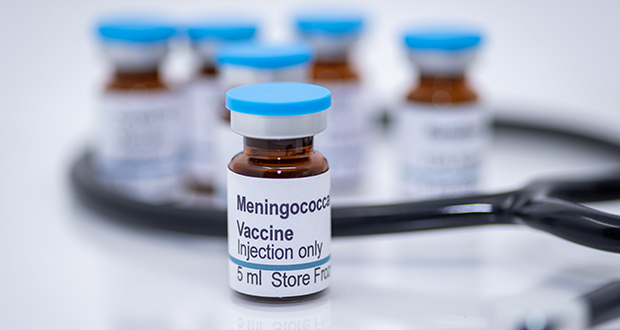
Nine cases of meningitis B have been confirmed so far this year in Ireland
The HSE has moved to reassure the public that the current outbreak of meningitis B in England has not led to an increase in the disease here.
Health officials in the UK have confirmed 15 laboratory cases of meningitis B after an outbreak in Kent that has already seen two people die from the bacterial infection. A further 12 suspected cases are under investigation.
In Ireland, the HSE said that nine cases of meningitis B have been confirmed so far this year. None of the cases have been found to be connected to the Kent outbreak.
“There is no evidence of an increase in invasive meningococcal disease activity in Ireland beyond expected seasonal and background levels,” said HSE National Director for Public Health Dr John Cuddihy.
“There is also currently no indication of links between any cases in Ireland and the outbreak reported in Kent. In 2026 to date, there have been 12 cases of meningococcal disease reported in Ireland with no deaths reported. Of the 12 cases, nine cases were Serogroup B.
“Last year there were 60 meningococcal cases reported in Ireland, of which 38 were Serogroup B cases. In 2024, 66 cases were reported with 42 of those cases reported as Serogroup B. Routine surveillance in Ireland continues to show that meningococcal disease remains a rare but serious infection, with sporadic cases occurring each year.”
The meningococcal bacteria has several different serotypes. There are vaccines available against types A, B, C, W and Y. Meningococcal disease can cause serious diseases including meningitis and septicaemia.
Meningococcal disease can affect people of any age, but it is most common in babies, young children, and to a lesser extent teenagers and young adults.
In countries with climates like Ireland, cases tend to rise during the winter and early spring months. Symptoms include fever, severe headache, vomiting, rapid breathing, cold hands and feet, drowsiness, or a rash that doesn’t fade under pressure. These symptoms can deteriorate rapidly, so people are advised to seek medical help immediately if they think they may have the disease.
“The MenB vaccine has been part of the free national childhood immunisation schedule for babies born from 1 October 2016 onwards,” said Director of the HSE’s National Immunisation Office Dr Lucy Jessop.
“It is given over three doses at two, four and 12 months. Meningococcal type B disease is most common in babies under the age of one year old and the scheduling of the administration of the vaccine under the immunisation programme takes account of this. There is currently no catch-up Men B vaccine programme for older children. Men C vaccine is also offered to babies as part of the Primary Childhood Immunisation Programme.
She added: “The MenACWY vaccine is offered in the first year of secondary school and protects against other meningococcal strains (A, C, W and Y). The HSE school immunisation teams are currently giving this vaccine in schools across the country. Parents are advised to look out for the consent form in their children’s school bag and make sure it is returned so that their children can be protected.”