
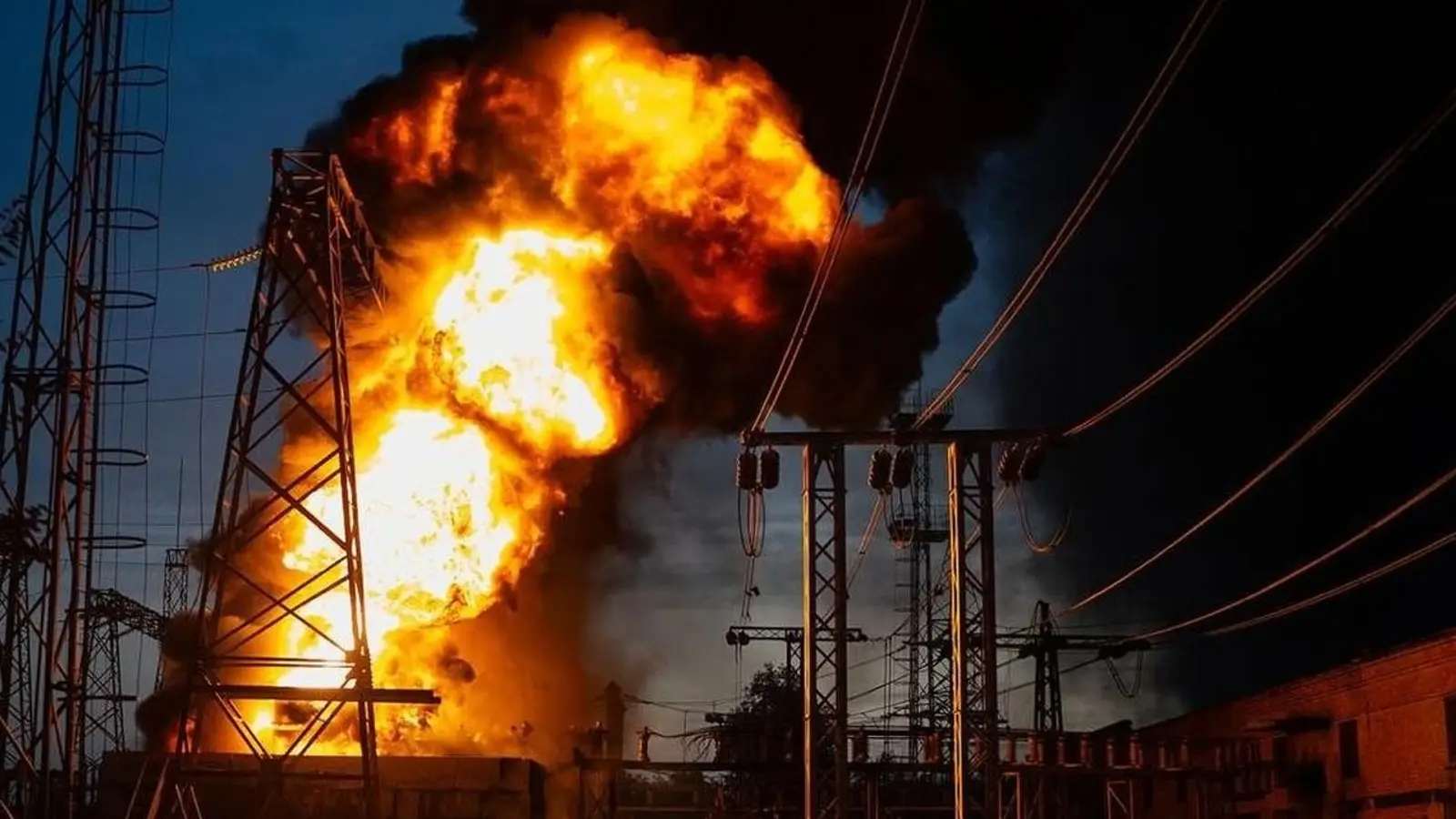
The global energy crisis is intensifying as countries introduce blackouts, restrictions, and fuel controls amid rising prices and Middle East tensions.
The global energy landscape is deteriorating at a rapid pace, with the crisis spreading across an increasing number of countries. Against the backdrop of tensions in the Middle East and rising fuel prices, governments are beginning to impose restrictions, according to Bloomberg. Authorities are turning more frequently to tough measures in an effort to ease pressure on national power systems.
In several countries, power outages are no longer a threat but a daily reality. Egypt, for example, has introduced scheduled blackouts, forcing businesses to cut back their operating hours. Similar measures are being adopted elsewhere.
Sri Lanka has taken even more drastic steps, introducing so-called «energy holidays» by declaring Wednesdays non-working days to curb electricity consumption. In Pakistan, some government employees have been shifted to remote work, while schools have been temporarily closed.
Thailand is relying on voluntary conservation efforts. Citizens are being encouraged to limit elevator use in government buildings, work from home where possible, and reduce overall electricity usage.
China, the world’s largest oil importer, has instructed its refineries to halt exports of gasoline and diesel in order to stabilize the domestic market.
In Myanmar, fuel use for private transport has been restricted, while Cuba is already facing a full-scale energy crisis. There, recurring blackouts have sparked a wave of public protests.