
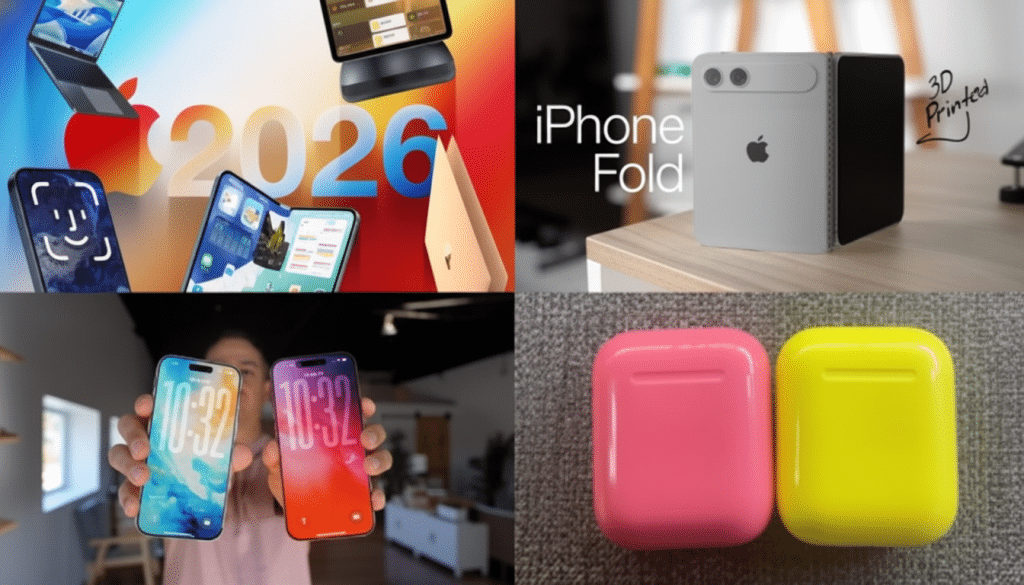
From Blush laptops to Cosmic Orange flagships, color has crashed the spec sheet party in 2026. Apple, Sony, Nothing, and Oura are leaning hard into vibrant palettes, and the bet is paying off. Limited-run finishes are selling out first, forums are buzzing about shade names as if they were chipsets, and retailers say “hero” colors are now a launch strategy as much as a paint job.
Why Color Is the New Spec Sheet for 2026 Tech
Color short-circuits rational shopping. Decades of consumer psychology back this up: a widely cited study in Management Decision found that 62% to 90% of snap judgments about products can be driven by color. Tech is finally acting on that playbook at scale. Instead of asking buyers to parse nanometers and nits, brands are tapping emotion—optimism, nostalgia, personality—with palettes that instantly differentiate.
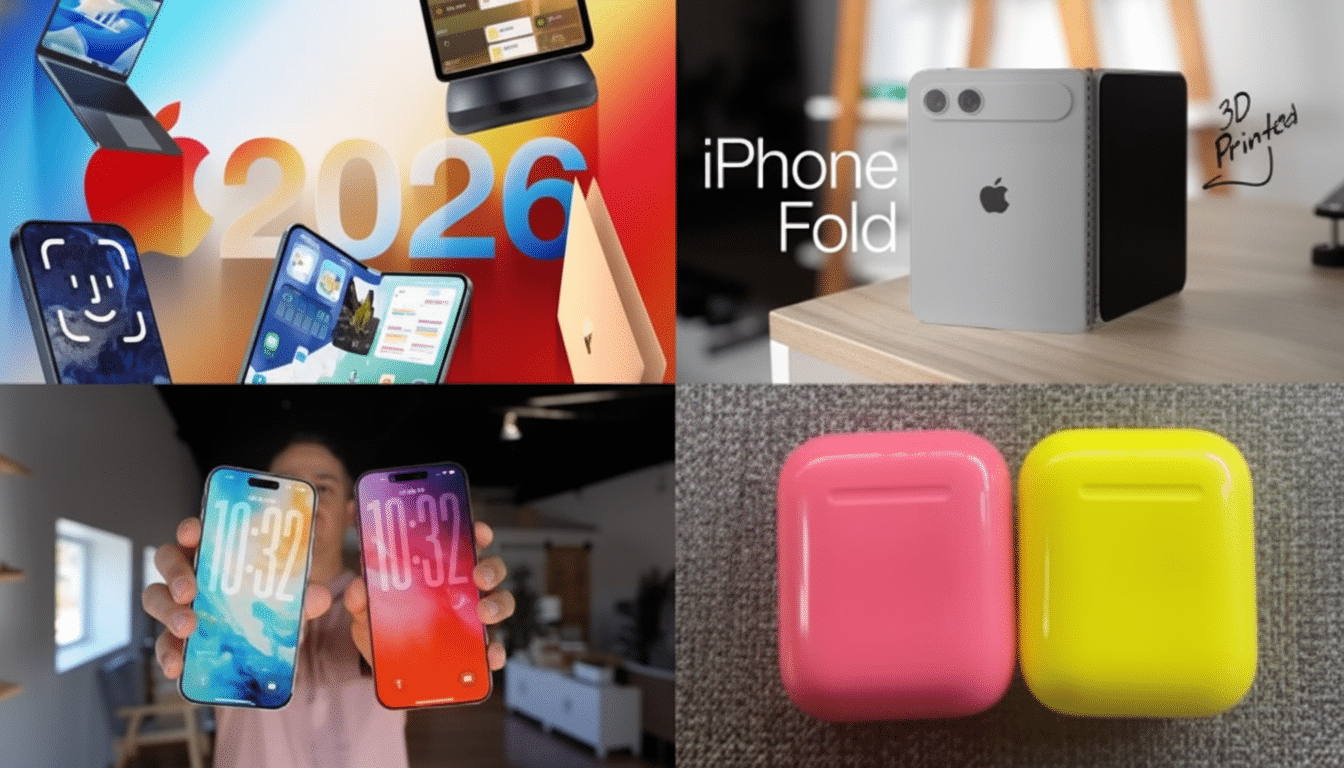
UX research adds fuel. The Baymard Institute has long shown that clear, prominent swatches increase product-page engagement and conversions. Hardware makers have translated that to launch theatrics: put the spotlight on one unforgettable hue, seed it across ads and retail tables, and watch it become the mental shorthand for the entire product.
This Year’s Evidence Is Hard to Miss in Retail
Apple’s softer side is suddenly front and center. The MacBook Neo in Blush, Indigo, and Citrus has drawn outsized interest; MacRumors community tracking suggests those colorways moved faster than the Silver baseline in early availability windows. The entry iPhone 17e’s pastel finishes have been a talking point far beyond its spec bumps.
On the premium end, Apple’s Cosmic Orange on iPhone 17 Pro displaced the traditional black slot and dominated social chatter at launch—an unmistakable signal that aesthetics can eclipse incremental performance gains. The message resonated: your phone isn’t just a tool; it’s an accessory you carry all day, every day.
Rivals aren’t sitting out. Sony’s WH-1000XM6 in Sand Pink broadened an already mass-market headphone into a bona fide lifestyle object, while Nothing doubled down on playful translucency with a bubblegum pink Phone 4a and matching earbuds. Oura’s ceramic Ring 4 lineup pushed jewelry-grade hues like Petal Pink and Navy Midnight to make health sensors feel more like keepsakes than gadgets.
How Brands Engineer Desire With Pigment and Process
Color is a supply-chain decision long before it’s an Instagram moment. Aluminum shells are multi-anodized to achieve consistent depth; titanium frames rely on PVD processes for durable saturation; ceramics need glaze recipes that survive firing without color shift. Yields can dip when tints get bolder, which is one reason “hero colors” are often constrained at launch—scarcity amplifies demand without wrecking production timelines.
There’s a merchandising logic, too. By anchoring marketing around one standout finish, brands simplify campaign assets and create a clear identity for each cycle. Counterpoint Research has previously noted that special editions and distinct finishes can buoy early sell-through; the 2026 cycle shows that insight applied not as one-offs but as core strategy.
Price Tiers and Palette Strategy Across Lineups
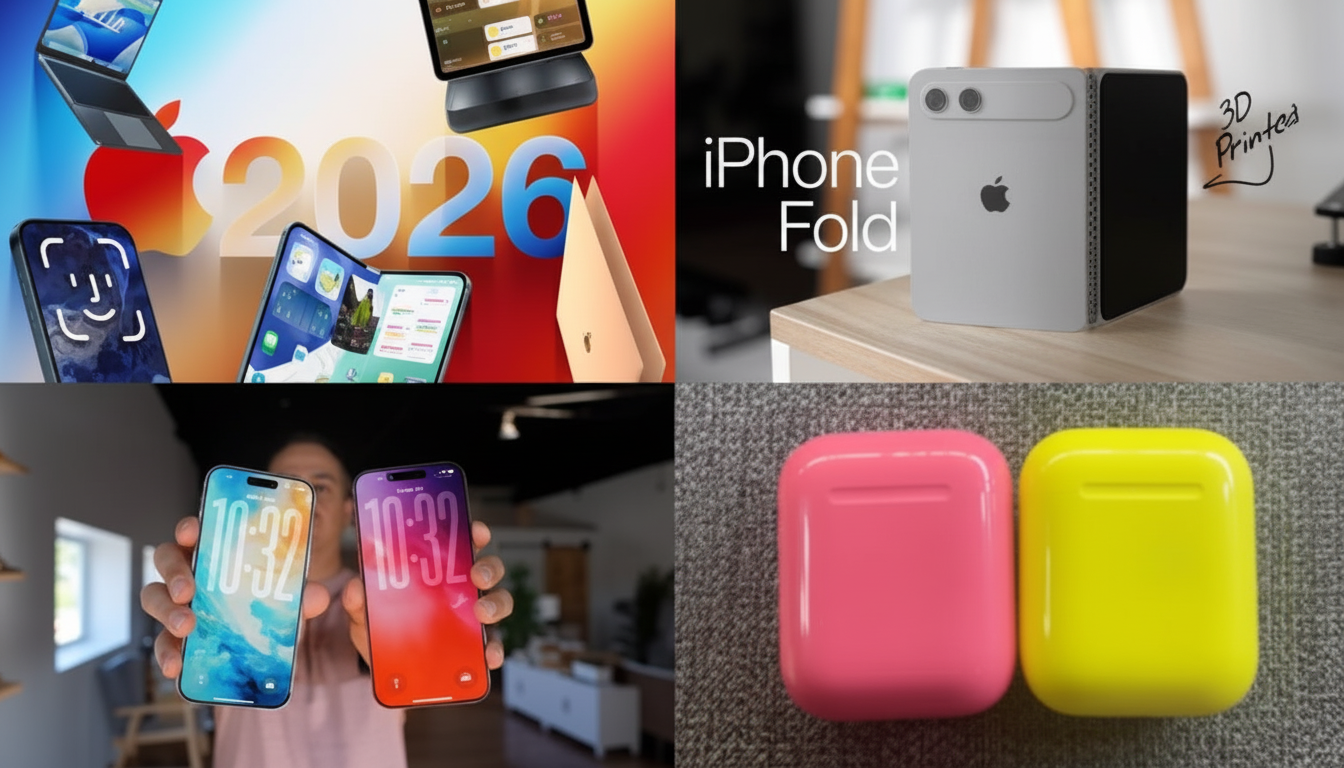
Look closely and a pattern emerges. Expressive, candy-coated options often populate midrange or entry devices, where emotional appeal can nudge fence-sitters. Higher-end lines get one dramatic shade—enough to feel exclusive—alongside business-friendly neutrals. It’s segmentation by color psychology: playful for volume, refined for prestige, one bold flagship hue for buzz.
This tracks with how mainstream the audience has become. Headphones are standard office gear, not just audiophile toys; wearables are wellness staples; students outfit entire study setups around a hue. Circana’s coverage of consumer electronics has chronicled the shift from spec-driven to lifestyle-driven buying—color just makes that shift visible.
Ecosystems Are Getting Chromatic Across Devices
Color now threads through hardware, software, and accessories. Wallpaper packs and UI accents increasingly echo device finishes, creating a subtle feeling of coherence that keeps users inside a brand’s world. Accessory makers chase these palettes with cases, bands, and sleeves that match or contrast on purpose, lifting attachment rates without heavy discounting.
Pantone’s trend cycles matter here, too. Warm, friendly tones—think the recent run of peaches, corals, and soft pastels—have primed consumers to see tech as approachable rather than austere. When your laptop shade feels like your sneaker or water bottle, upgrading stops feeling purely utilitarian.
What to Watch Next in Color-Driven Tech Design
Expect more translucent materials, nuanced pastels that read premium, and seasonal drops that mirror fashion calendars. Don’t be surprised if trade-ins and resale values start reflecting finish scarcity more sharply, as collectors treat certain colorways like limited sneakers.
The takeaway is simple: in 2026, color isn’t garnish—it’s strategy. By treating hue as a first-class feature, Apple and its peers are turning everyday devices into objects people love to be seen with, and the sales receipts suggest the palette is paying off.