
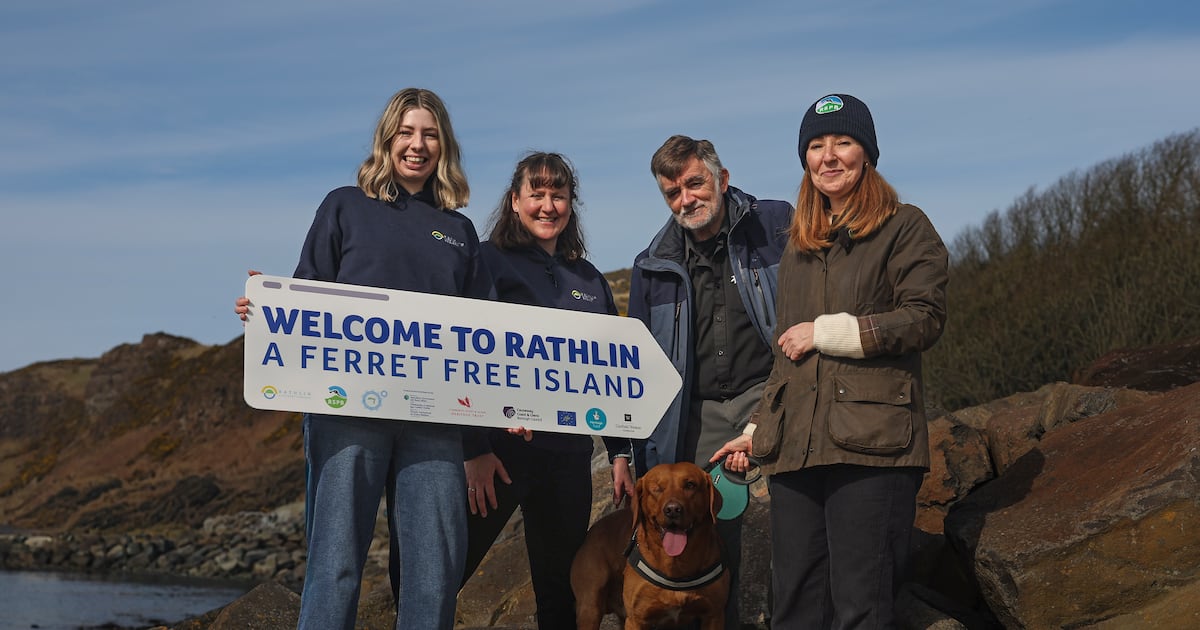
An invasive predator has been eradicated from Rathlin Island in a conservation project, helping to secure the future of Northern Ireland’s largest seabird colony.
The £4.5 million LIFE Raft (Rathlin Acting for Tomorrow) initiative has removed feral ferrets from the island. It marks the first time the species has been eradicated from an inhabited island anywhere in the world.
The project, launched in 2021 and led by RSPB Northern Ireland in partnership with local and government organisations, aims to protect the seabirds which return to Rathlin each year to breed.
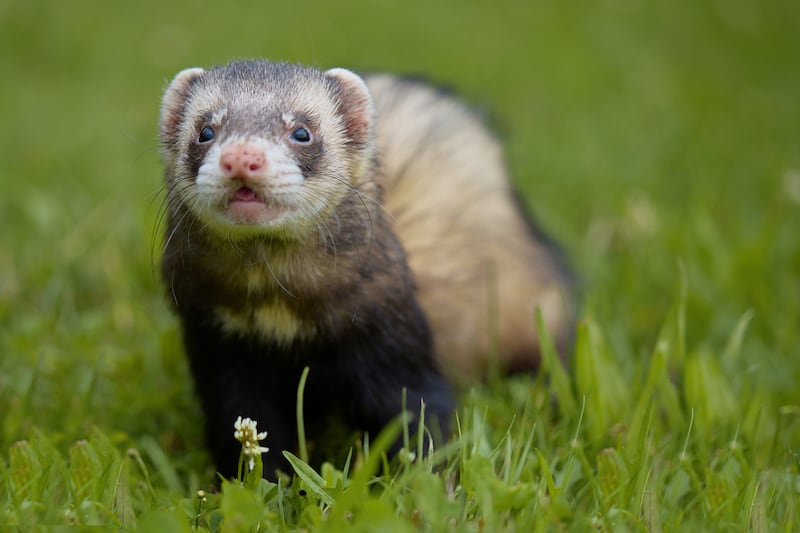 A landmark conservation project has seen Rathlin Island declared ‘ferret-free’. PICUTRE COUPERFIELD/GETTY IMAGES
Speaking to The Irish News, RSPB NI area manager Claire Barnett said the milestone marked an “extraordinary moment” for both conservation and the island community.

“Rathlin Island is a really important island for our seabird colony,” she said.
“We’ve got over 250,000 seabirds nesting here, which is remarkable, but they’re in big trouble.
“Seabirds are declining quite significantly across the UK and Europe, so we have to do everything we can to try and help them survive.
“And one thing we can do is remove their growing predators.”
Read more: Three pieces of Rathlin Island to go under the hammer at rare auction
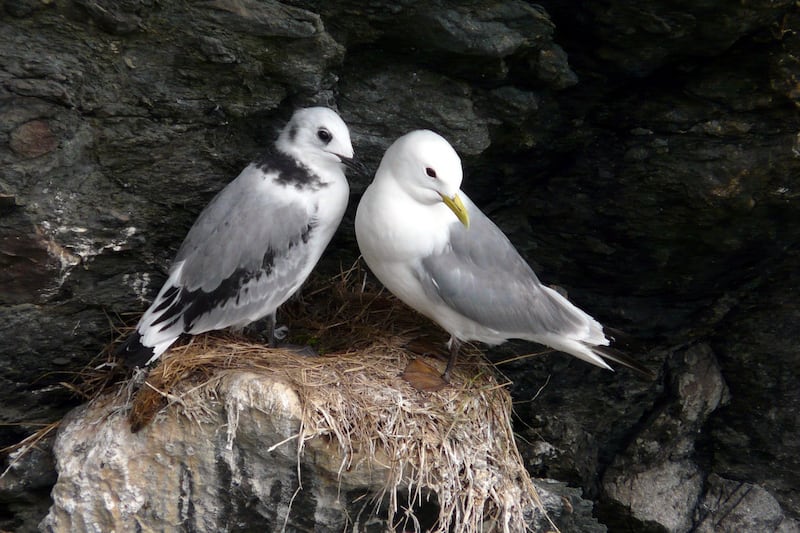 Rathlin’s Kittiwakes.
Feral ferrets, which were introduced to the island in the 1980s in an attempt to control rabbit populations, became a significant threat to nesting birds, preying on eggs, chicks and adult seabirds.
“These ferrets were released and then, as ferrets do, they bred and multiplied and could be found anywhere on the island,” Ms Barnett said.
The scale of the challenge was considerable, with teams required to remove “every single one” from the secluded island.
“That’s never been done anywhere before,” she explained.
“So it was a big, big task, but one we’ve managed to achieve with the support of our partners and the islanders.”
LIFE Raft programme manager Erin McKeown said the project was driven by the sharp decline in seabird populations and the need to reduce pressure from invasive species.
Read more: Detection dog joins seabird rescue mission on Rathlin Island
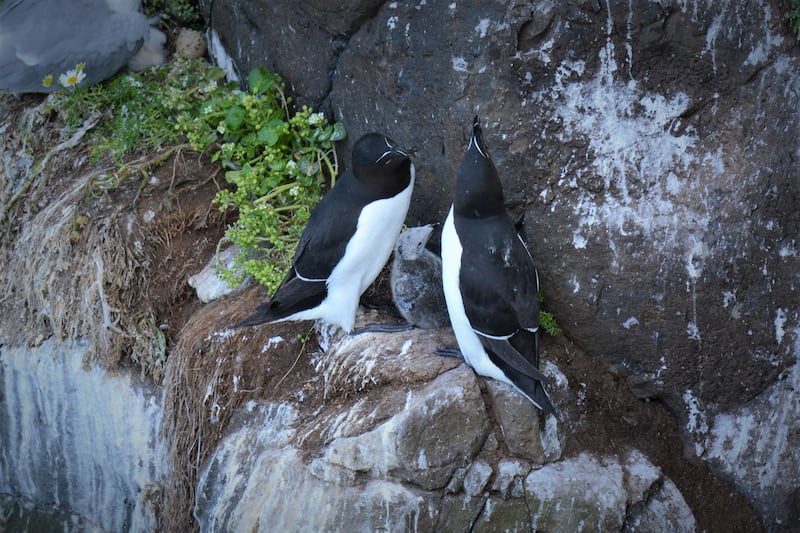 Razorbill chicks on Rathlin Island.
“Seabirds are the fastest declining group of birds globally, and we’ve seen that first hand here on Rathlin,” she said.
“We’ve had a decline of over 70 per cent in puffins over the last 20 years.”
She added that the impact of predators was devastating, with one ferret having killed 27 adult birds over the course of two days.”
Explaining how the removal was carried out, Ms McKeown said the operation required a combination of specialist techniques and sustained monitoring.
“We had specially trained staff working on trapping, alongside a network of more than 100 cameras across the island to detect any presence,” she said.
“We also used thermal drones and had Woody, our detection dog, trained to identify ferret scent, so it really was a combination of a lot of different tools to make this happen.”
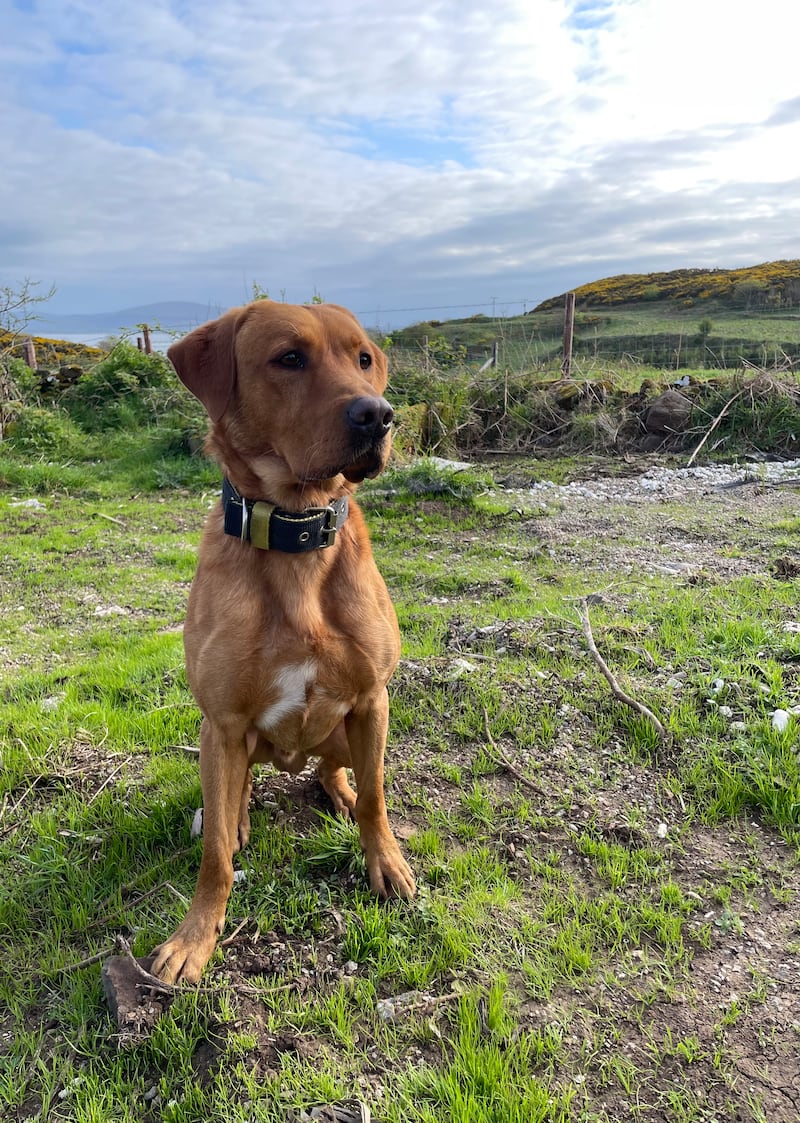 Red labradour Woody Rathlin’s dectection dog.
Beyond its environmental significance, the project is also expected to deliver long-term benefits for the island’s community and economy.
“We know from speaking to people here that they’re hoping to see real change,” Ms McKeown said.
“That’s everything from eco-tourism, with more seabirds returning, to simple day-to-day things like being able to keep chickens again without the risk of predation.”
Rathlin resident and wildlife photographer Tom McDonnell said the removal of ferrets had already been welcomed locally.
“It was a massive threat, to be honest with you,” he said.
“It was destroying the populations of seabirds, but also affecting hares and ground-nesting birds.
“When I heard about the project, it was almost relief, because I knew it would have a positive impact on the wildlife.”
He added that community support had been crucial to its success.
“There were a lot of meetings to get people on board, especially landowners,” he said.
“But everybody came together. It’s been a massive undertaking, but it’s been worth it. It’s already having a positive impact on the people here.”
Read more: Puffins return to Rathlin Island in punctual fashion
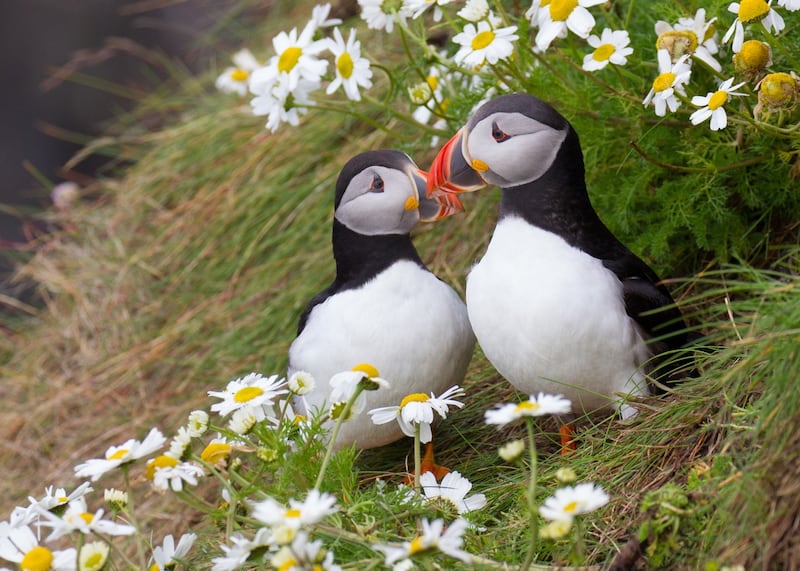 Rathlin is famous for its Puffin population.
With the island now declared ferret-free, project leaders said the focus will shift to maintaining strict biosecurity measures to prevent reintroduction.
“This is really the first step,” Ms McKeown said.
“We’ve also just finished a brown rat operation as well, so we will continue to monitor for any presence of brown rats on the island for another year but hopefully we’re working our way towards that rat-free status as well.”
The £4.5m LIFE Raft project is funded by EU LIFE, National Lottery Heritage Fund, Garfield Weston Foundation and DAERA.