
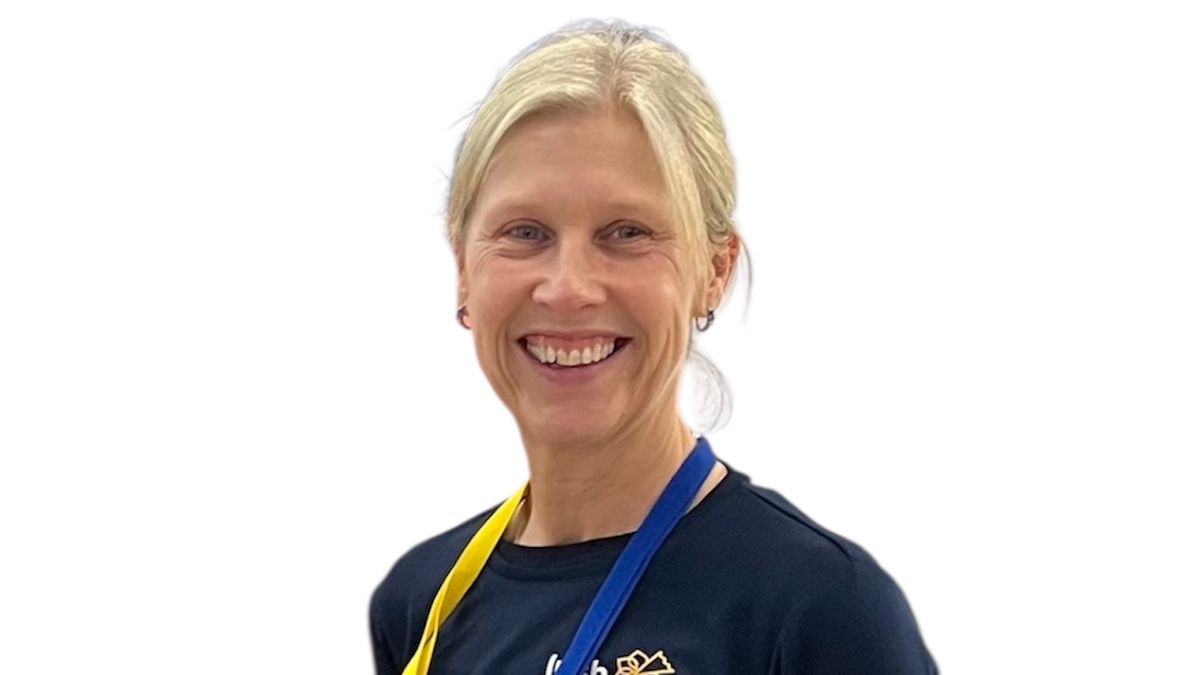
We speak to Sonya Carr, a cancer nurse with the Irish Cancer Society, about the signs and symptoms of the most common forms of cancer in Ireland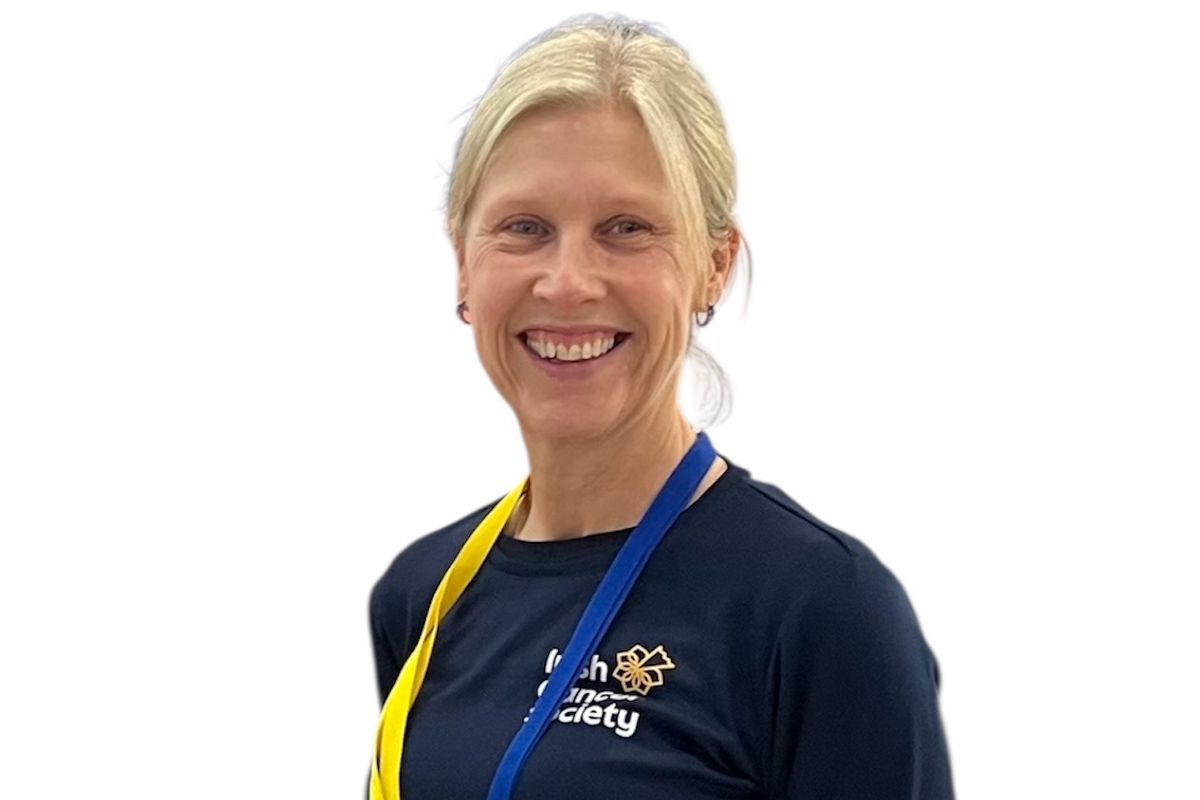
Sonya Carr, Cancer Awareness Nurse with the Irish Cancer Society
It might be hard to believe, but in Ireland, one in two people will receive a cancer diagnosis in their lifetime. “About 44,000 people this year will receive that diagnosis,” says Sonya Carr, a cancer nurse with the Irish Cancer Society. “Every three minutes, somebody will hear the phrase ‘you’ve got cancer ’.”
While the numbers may seem high, more cancers are being diagnosed due to early detection, screening and advances in medicine, but there are also better treatment options which has lead to more people surviving cancer than ever before.
Here, we look at the five most commonly diagnosed cancers in Ireland in more detail.
Skin cancer
There are just over 11,000 cases of skin cancer diagnosed in Ireland each year. “There are two types: melanoma skin cancer and non melanoma skin cancer. Non melanoma is more common, with just over 10,000 cases of this each year. There are two types of non-melanoma skin cancer, squamous cell carcinoma and basal cell carcinoma,” Sonya explains. Meanwhile, with melanoma, there are roughly 1,200 cases each year. Melanoma can affect anyone with any skin tone.
When it comes to our skin, any changes in shape, size, colour and thickness should always be investigated. Similarly, any new moles or marks that haven’t been there before should be checked as well.
Sonya advises people to routinely check their skin to see if there’s been any changes. “It’s about knowing what’s normal for you. If you have any changes to your skin, to new or existing moles or new or existing marks, take a photo of it. Then if it changes you can compare. Any changes in your skin at all, go to your doctor to get it checked.”
Prostate cancer
About 4,000 cases of prostate cancer are diagnosed each year, equating to one in six men. Symptoms men should watch out for include peeing more often, especially at night, having trouble peeing, weaker flow, feeling like the bladder hasn’t been completely emptied, or straining to empty the bladder, Sonya says.
“Some of the less common symptoms of prostate cancer are blood in the pee or semen, back or bone pain, weight loss and feeling tired.”
Sonya says that sometimes, there can be no symptoms of prostate cancer, which is why it’s important for men to get regular prostate checks. “If there’s a family history of prostate cancer, men over 40 should chat to their GP about doing a prostate specific antigen (PSA) blood test. If there’s no family history, men from the age of 50 onwards should be chatting to their doctor about PSA. Your GP may also do a digital rectal examination.”
Breast cancer
Roughly 3,500 cases of breast cancer are detected each year in Ireland, meaning one in seven women will get this form of cancer during their lifetime. “Men can also get breast cancer, usually 30-35 men are diagnosed each year. Anybody who has breast tissue can get breast cancer,” Sonya explains.
Symptoms to watch out for include a lump or thickening in the breast or armpit, a change in the size or shape of the breast, a change in the skin of the breast, such as puckering, dimpling or orange peel like texture, and a breast abscess or infected boils which are red or tender.
“Changes in the nipple can also be a symptom, these changes could be the nipple becoming inverted when it wasn’t before or the nipple becoming flattened, a discharge from the nipple which can be watery or blood stained, or a rash or flaky or crusted skin around the nipple,” Sonya explains.
Swelling in the armpit and along the collarbone should also be checked. “The breast tissue extends under the armpit. People over 18 should regularly check their own breasts for any changes. There is a video on cancer.ie which explains how to do self breast examinations. Get to know what is normal for you.”
Lung cancer
Lung cancer is the fourth most commonly diagnosed cancer in Ireland. There are just over 2,500 cases diagnosed each year. “Lung cancer is the type of cancer that causes the most deaths in Ireland,” Sonya adds.
Things to watch out for include wheezing, difficulties breathing, and a cough that doesn’t go away.
“If you already have a cough, and it’s changed, get that checked out. Repeated chest infections that don’t go away despite taking antibiotics is also a warning sign. If you cough up blood stained phlegm or sputum, or have pain in the chest, especially when you cough or breathe in, that should also be investigated.”
Swelling in the face and neck, difficulty swallowing, feeling more tired than usual or a loss of appetite and weight loss can also be symptoms.
Bowel cancer
In Ireland each year, there’s roughly 2,500 cases of bowel cancer diagnosed. “People should look out for changes in their poo that last longer than three weeks for no apparent reason. These changes can be constipation, diarrhoea or both.
“The feeling of not emptying your bowel completely after having a bowel movement, needing to poo more or less often than usual, blood in your poo which may look red or black, bleeding from the rectum, tummy pain, feeling a lump in the tummy, feeling bloated, losing weight and feeling very tired for no reason and feeling breathless are all symptoms of bowel cancer,” Sonya adds.
Prevention
There are some things we can do to help us lower our risk of getting cancer, Sonya explains. “Lifestyle factors are things we can change. We should be mindful of our diet, so processed foods, in particular processed meats, should be reduced. We should also increase our fibre intake.”
Exercise is also very important. “People should aim to get 30 minutes of exercise five days a week. That can look different for everyone. For some people, that might be done in five minute blocks spaced out throughout the day and week.”
Alcohol consumption is linked to a number of different cancers, so people should be mindful of how much they drink and make sure they stay within the recommended limits. “If somebody smokes, they should try to give it up, and don’t substitute it with vaping. The HSE runs a good programme on Quit.ie, and they provide nicotine replacement therapy.”
Screening is also very important, and in Ireland there are three free screening programmes: BowelCheck, CervicalCheck and BreastCheck.
People aged 58 and older can avail of BowelCheck, which involves a free screening kit being sent to the person’s home. The person collects a small sample of their poo and sends it off to be analysed. People can ring 1800 454 45 55 or visit bowelscreen.ie to learn more.
Women over 25 can avail of CervicalCheck. “People should check that they are on the register and they will need to visit their GP or practice nurse for this appointment.”
BreastCheck is for women over 50. “Women generally get screened with a mammogram, which is an x-ray of the breast. People can ring 1800 454 45 55 or visit breastcheck.ie for more information.”
While screening is very important, Sonya says people should be aware of their own bodies and know what is normal for them. “If anything changes, please go to your doctor, as early detection is key.”
While 44,000 people will be diagnosed with cancer in Ireland this year, early detection and implementing lifestyle changes could cut this number by almost 20,000 in the future.
“The earlier things are picked up, the better the outcomes are and the more treatment options available.”
This Daffodil Day, the Irish Cancer Society are urging you to stand with cancer patients and survivors and to Go All In Against Cancer. They urgently need your support to continue to provide free services for cancer patients and their families, as well as life-changing cancer research. Donate today at cancer.ie/daffodilday.For more information on cancer, visit cancer.ie or ring the Irish Cancer Society’s cancer nurse support line on 1800 200 700.The Irish Cancer Society’s Daffodil Centres, located nationwide, offer face-to-face support from experienced cancer nurses and volunteers.
To read the full article, pick up a copy of RSVP’s March issue, on shelves now.
Want to see more of the stories you love from RSVP ? To add RSVP as a preferred source of news on Google, simply click here