
The Generation Study aims to screen 100,000 newborns across England using whole genome sequencing to identify genetic conditions early, supporting faster treatment and improving long-term outcomes.
The study is being delivered by Genomics England in partnership with NHS England and involves more than 40 hospitals nationwide, including Sunderland Royal Hospital and South Tyneside District Hospital.
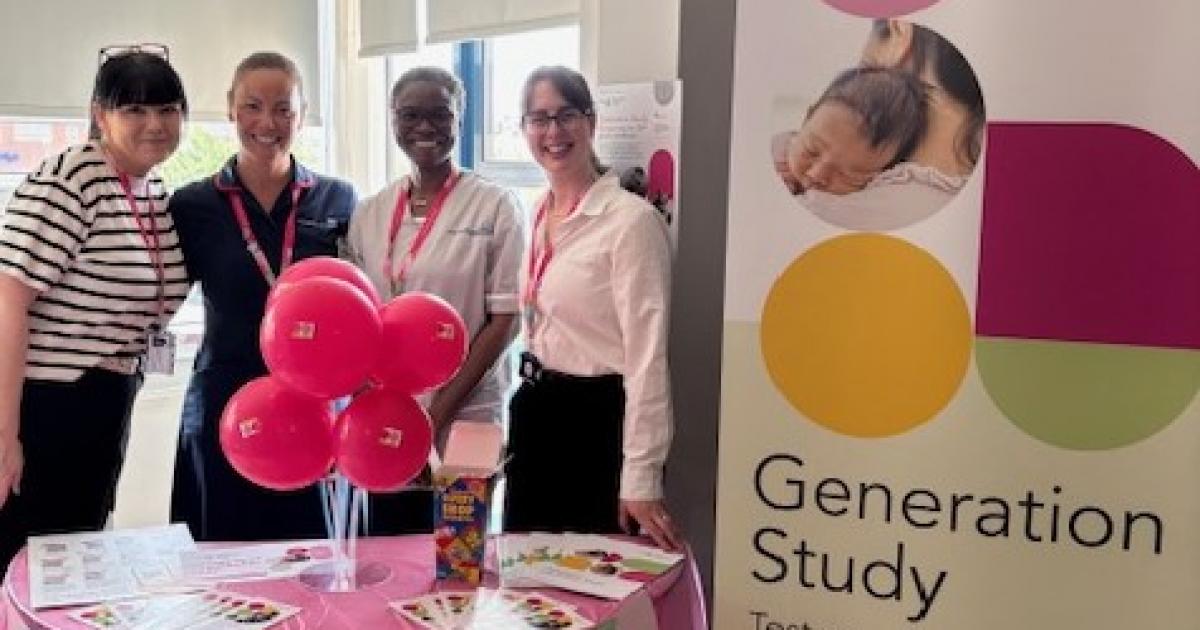
esearch Assistant Practitoner Folasade Olufemi-Ajayi and Research Midwives Lucy Rowland and Kirsten Herdman(Image: Supplied)
Lucy Rowland, a research midwife at South Tyneside and Sunderland NHS Foundation Trust, said: “We’re really excited to be part of this study as a Trust.
“Research is an important way we can help families in the future get the support and treatment they need.”
The study involves collecting a blood sample from the baby’s umbilical cord shortly after birth, which is then used for genome sequencing.
Early diagnosis can enable prompt treatment and management, potentially slowing the progression of certain conditions or extending the child’s life.
Ms Rowland said: “Families are approached in hospital during their pregnancy.
“Patients are offered an information leaflet and given the opportunity to ask questions.
“They can also access further information through the Generation Study website or scanning a QR code.
“If a condition is suspected, the appropriate treatment can be started promptly as early intervention is key.
“It will be interesting to see this study develop.”
The Generation Study supports the NHS 10 Year Health Plan, which focuses on shifting from sickness to prevention, as well as moving from analogue to digital and from hospital to community care.
Ms Nicholson said: “We will be with parents every step of the way with this study.
“While we want as many people as possible to sign up to help build the biggest picture we can of genetic conditions, we want to stress there is no pressure to get involved.
“Everyone knows what is right for them and their family.
“Research is a key part of our work as a Trust and this study can make a difference there and then, but also for so many more people in the future.”
Parents are informed about the study during pregnancy.
If they express interest, a research midwife will provide detailed information to help them decide whether to participate.
After the baby is born, a healthcare professional will confirm consent before taking a blood sample for analysis.
If a treatable childhood condition is identified, families will receive additional NHS testing to confirm the diagnosis, along with ongoing care and support.
The study also aims to explore the long-term implications of storing a child’s genomic data, including how it could inform future health care.
The Generation Study was developed following consultation with the public, parents, families affected by rare conditions, healthcare professionals, policymakers, and scientists.
The study will also consider the potential risks and benefits of retaining a child’s genomic information throughout their life.
This data could help predict, diagnose, and treat future illnesses.
Further information is available at www.generationstudy.co.uk.