
While delivering a presentation for Dublin City Councillors, Clúid Housing representatives reveal tenants engaging in anti-social behaviour are given three warnings before facing eviction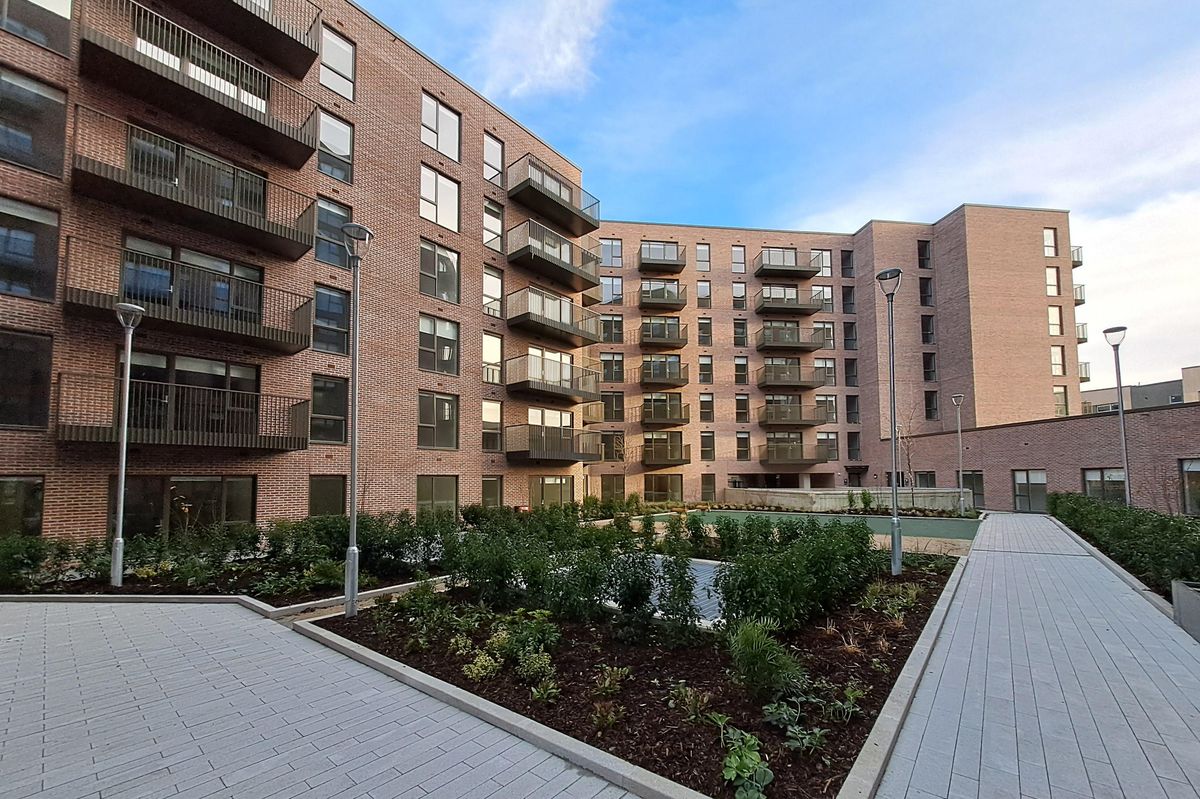
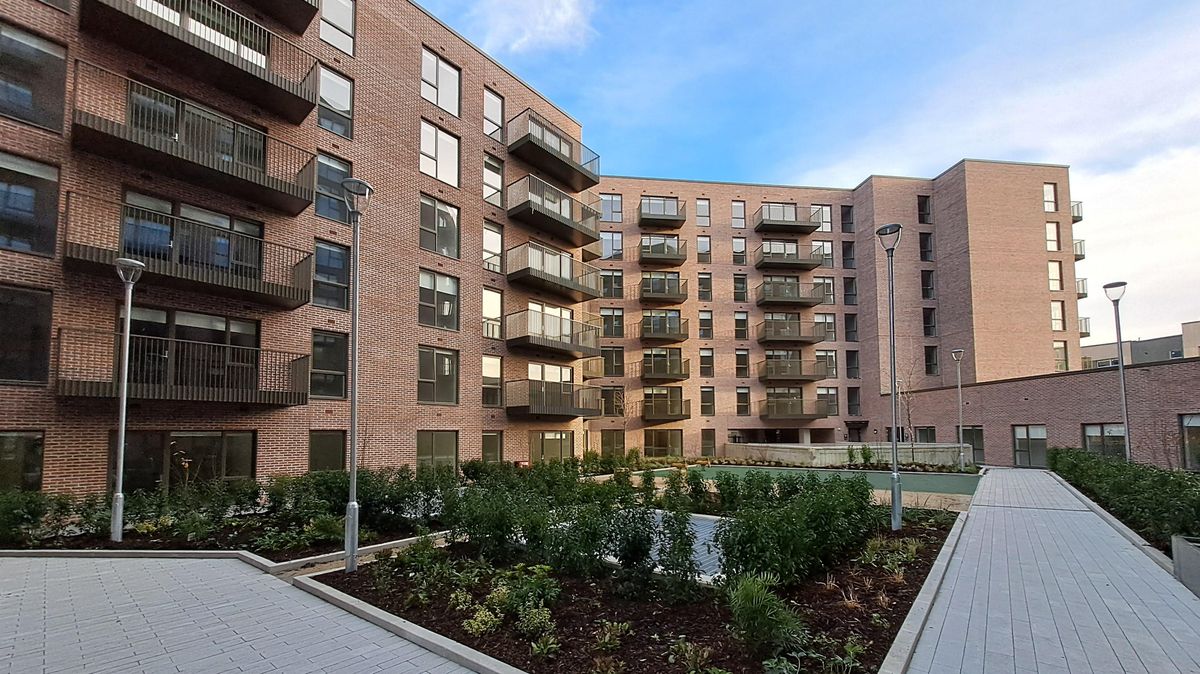
Parkside, Belmayne, Dublin 13,(Image: Clúid)
Clúid Housing tenants are living under a ‘three strikes and you’re out’ system when it comes to anti-social behaviour.
This was revealed in a presentation delivered to Dublin City Councillors at yesterday’s North Central Area Committee meeting, where Clúid representatives outlined the support provided to those living in the over 14,000 homes they provide. Coming one month after Tuath Housing delivered a similar presentation, these meetings aim to bridge the communication gap between councillors and the Approved Housing Bodies (AHB) who are increasingly managing council housing.
With anti-social behaviour (ASB) standing out as one of the biggest challenges Clúid has faced, Regional Housing Manager Sarah Mallon their “three strikes” procedure acts as a means to addressing volatile behaviour and can ultimately see offending tenants evicted. She said the process works on a timescale with a level one warning issued and it’s only in extreme cases they have reached level three and had to evict tenants.
“It’s not our aim. Our aim is to get to the root of the problem,” Ms Mallon said. After a first warning is issued, she explained there is a six month period before they can go back down from level one.
With staff who trained to identify issues such as domestic violence and coercive control she said evictions are not an issue they take lightly, but revealed that since the Parkside development at Belmayne opened there has been been two notices of termination. “That’s a new estate with some serious problems where we couldn’t see any alternative,” she said.
Ms Mallon called on those experiencing anti-social behaviour to let them know. “We need statements from residents to take action.” While tenants may fear retaliation for reporting inappropriate behaviour, she gave assurances that they “redact names” if incidents are being reported by bodies like the Residential Tenancies Board.
Clúid state GDPR can often limit what they can share and said consent forms are available on their website. While they work together with gardai, Ms Mallon described anti-social behaviour as their “biggest challenge.”
Despite these concerns, surveys reveal Clúid tenants report an overall satisfaction rate of 84%, with 9% dissatisfied, and 7% neither satisfied nor dissatisfied. Clúid stated they are “learning as we grow” and have been implementing measures to improve reported issues, such as fob doors that stop non-residents gaining access and utilising technology for noise complaints, fire alarms, and managing limited parking spaces through an app that let’s people book parking spaces for three days at a time in some developments without assigned parking.
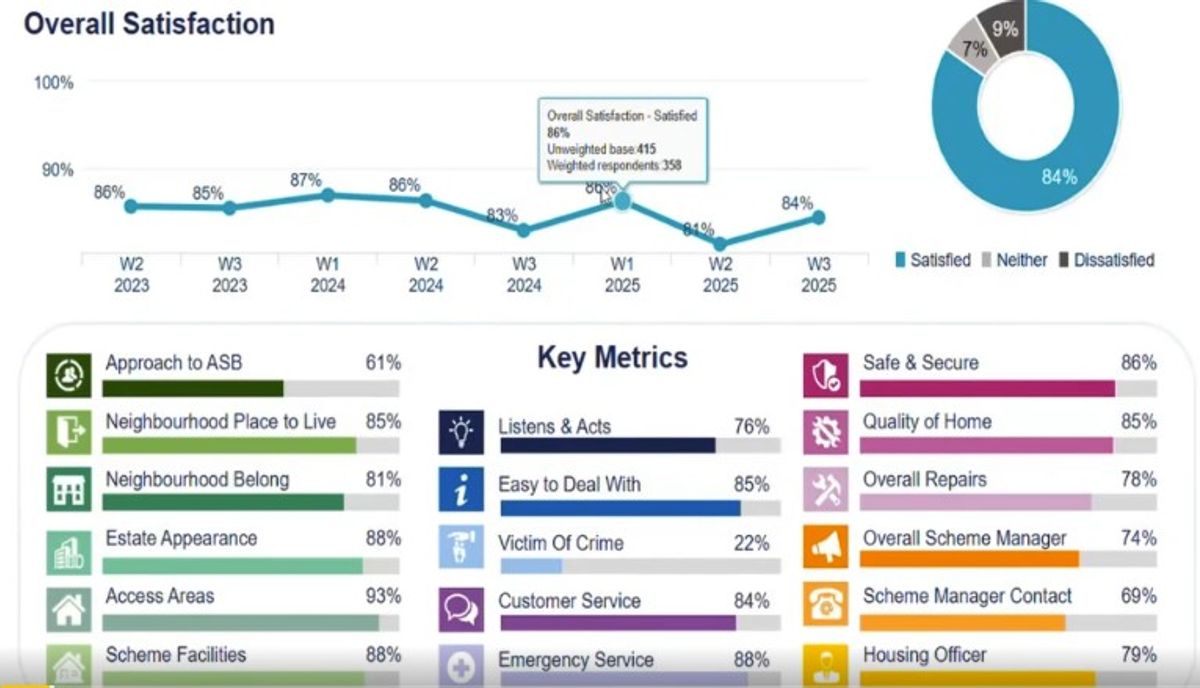
Clúid Housing overall satisfaction figures(Image: Clúid Housing)
Deputy Chief Operations Officer Jo Whittall stated they plan to invest €17.5 million into Clúid homes over the next ten years and that, across approximately 14,500 homes, they carry out 25,000 repairs every year. He said they had 85 mould calls over the past 12 months, with an average close out of 20 days.
Other issues have been balcony defects with costs of works amounting to €250,000 and poorly designed and installed heating systems. Clúid state a deep review is being carried out to identify poor designs, which cost upwards of €500,000.
Fianna Fail Cllr Deirdre Heney reiterated a statement she made at the previous Approved Housing Body presentation that she feels more comfortable when social housing is managed directly by council as representatives know better who to contact in the event of a problem. She said these meetings represent a positive development as councillors can open doors of communication.
When asked about the biggest obstacles Clúid faces when it comes to delivering more housing, Mr Whittall said it is “government carefully controlling financing and funding” and the “increasing cost of building new buildings.” He said the current funding structure doesn’t offer enough to “maintain and look after” builds “in the way we believe it should be looked after.”
Mr Whittall said that when it comes to their spending 20% goes toward housing management, 20% is building costs and 60% relates to interest and debt repayment. “The more we have to borrow to buy a more expensive building the more that 60% grows, the margins are very fine,” he said.
He further stated that the money Clúid earns goes back into providing more social and affordable housing and stressed that “nobody makes a profit out of Clúid.” He admitted that Approved Housing Bodies have encountered problems in the past but they are “learning how to deal with these problems as we find them.”
This content is funded by the Local Democracy Reporting Scheme
Want to see more of the stories you love from Dublin Live? Making us your preferred source on Google means you’ll get more of our exclusives, top stories and must-read content straight away. To add Dublin Live as a preferred source, simply click here.
Join our Dublin Live breaking news service on WhatsApp. Click this link to receive your daily dose of Dublin Live content.