

🔊 Listen to Article
Gen-Z has to be the most reachable generation in human history, yet we have never been harder to truly find. In the modern workplace, the constant ping of a digital notification has replaced the actual pulse of office culture. We carry our offices in our pockets, responding to Slack threads at dinner and emails before our morning coffee.
We are drowning in data but starving for proximity. This paradox has created ‘Generation Numb,’ a workforce that is digitally saturated but emotionally isolated. We have mastered the art of being always on while simultaneously checking out.
The Mechanics of Hyperconnectivity: High Frequency, Low Substance
Technology has successfully dismantled the physical office walls. However, this total accessibility has triggered a digital leash effect that erodes the human spirit.
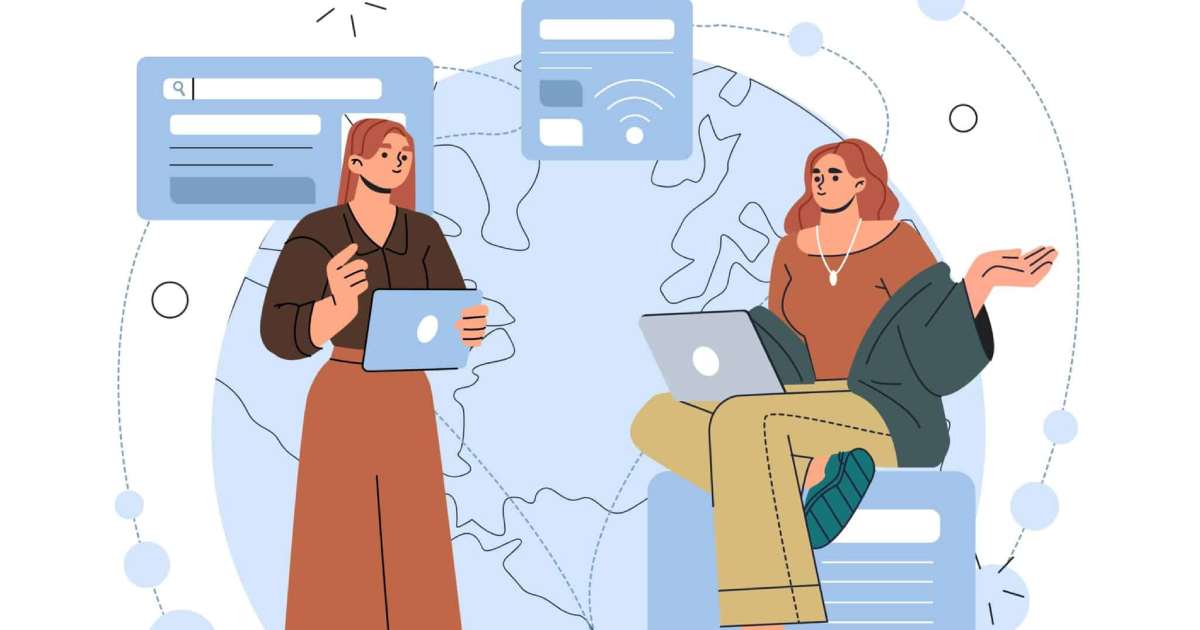
The Switching Cost Crisis: Knowledge workers switch tasks every few minutes. Research from the University of California reveals it takes an average of 23 minutes to regain deep focus after a single interruption. Our hyperconnectivity is not just an annoyance; it is a cognitive tax that prevents complex problem-solving.
Technostress and Cortisol: Constant notifications trigger the brain’s fight or flight response. A study in The Lancet Digital Health suggests that an always-on culture leads to chronic cortisol elevation. This physiological strain doesn’t just cause tiredness; it leads to digital burnout, where the brain emotionally shuts down to survive the stimulus.
The Proximity Bias and Performative Busyness: In remote settings, workers fear being out of sight, out of mind. This leads to green-dot anxiety, the need to keep chat status active at all costs. Employees prioritise sending rapid, shallow updates over doing the actual work, creating a cycle of high-speed, low-value activity.
The Great Disconnect: Why We Feel Alone
While we are digitally reachable, our social capital is bankrupt. We have optimised our workflows for speed, but we have accidentally stripped away the humanity that makes work meaningful.
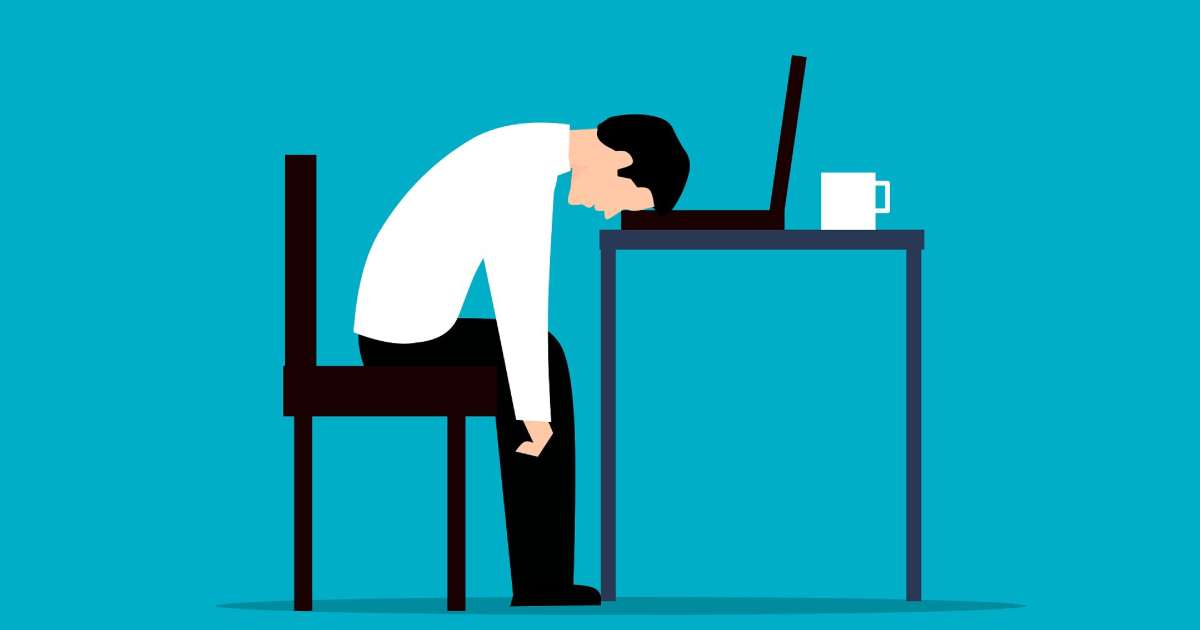
The Death of Spontaneous Friction: Innovation thrives on planned happenstance, the random hallway chat, or the shared coffee. Virtual platforms have engineered a frictionless environment that is purely transactional. A study published in Nature Human Behaviour by Microsoft researchers found that remote work causes collaboration networks to become static and siloed. We talk to our immediate teams, but we have lost the weak ties across the company that spark new ideas.
The Richness vs. Reach Trade-off: We have more ways to communicate, but the quality is lean. Text-based chat lacks the tone, facial expressions, and empathy of face-to-face interaction. Daft and Lengel’s Information Richness Theory explains that when we rely on lean media for complex human problems, misunderstandings skyrocket and trust plummets.
The Loneliness Epidemic: Connectivity does not equal community. Data from McKinsey & Company reveals that a lack of belonging is now a primary driver for the Great Attrition. One-quarter of remote employees report daily loneliness. They are connected to the server, but disconnected from the mission.
The Economic and Human Fallout
This paradox is not just an HR headache; it is a systemic risk to business sustainability and mental health.
The Burnout Cycle: Chronic hyperconnectivity leads directly to emotional exhaustion. The World Health Organisation (WHO) now classifies burnout as an occupational phenomenon characterised by “increased mental distance from one’s job.” When workers go numb, they stop caring about outcomes.
Stagnant Innovation: Creative breakthroughs require diverse perspectives. As our networks become more insular and siloed, cross-pollination dies. Without those unpredictable social interactions, companies become echo chambers of their own existing ideas.
Reclaiming the Human Workspace
To cure the Gen Numb epidemic, we must stop confusing activity with achievement. Organisations must move beyond frictionless tools and start designing for meaningful friction. This means protecting Deep Work hours by banning internal pings during specific times. It means prioritising Rich Media (video or in-person) for sensitive or creative discussions.
We must remember that a workforce is a community of people, not a network of nodes. Until we prioritise the depth of our connections over the speed of our pings, we will remain a workforce that is perfectly reachable, yet completely lost.
Stay tuned to Brandsynario for latest news and updates.