
Women are represented in the top professions more than at any time in history, and living in the public eye. Although it means our financial position has greatly improved, we’re still disadvantaged by the grooming gap and costly beauty standards.
The grooming gap is the set of social norms and expectations around appearance that is imposed largely on women workers. Tidy hair, make-up, nails and clothing are necessary in the modern workplace but this expectation has hidden costs, both financial and time-wise for women.
What does this involve when you have to go into the office?
Professional men no longer require a suit in most workplaces, just a nice shirt and trousers. Of course they need clean hair and regular use of shaving cream, a razor and deodorant. Facial hair afficionados may need more grooming time and product if they sport a shorter more manicured style. Filed short nails are a good idea too. Some men even throw on a lick of moisturiser or sun block before they start the day’s commute.
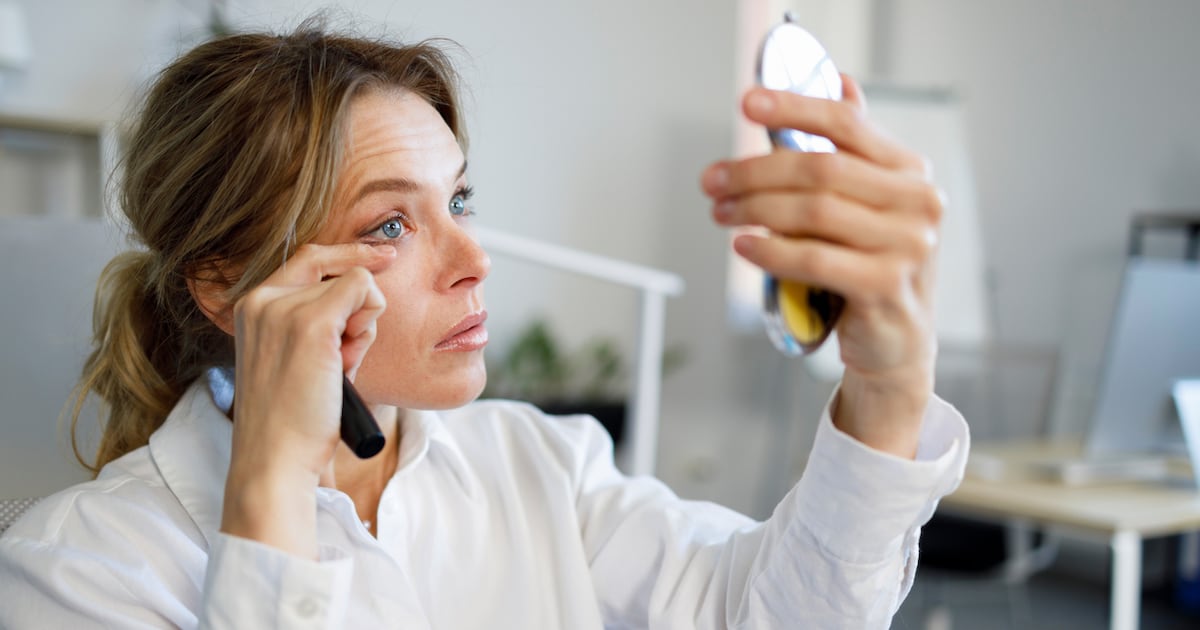
On the other hand, even the most minimalist professional look for office-based women means hours each week on hair, skincare, nail care, make-up and choosing different outfits. Our carefully curated clothing and footwear needs to look good, fit well and send a message that we belong.
[ Why sisters should be doing it for themselvesOpens in new window ]
Repeating an outfit, although that’s the norm for most fellas each week, is a big no-no for women in the public eye apparently.
Australian male broadcaster Karl Stefanovic wore the same blue suit for a year – dry cleaning it every now and then – and nobody batted an eye. He did this to highlight the unsolicited sexist comments and styling tips regularly sent to his woman co-host Lisa Wilkinson by the Nine Network’s Today show viewers.
She said: “When you’re a woman doing breakfast TV, you quickly learn the sad truth that what you wear can sometimes generate a bigger reaction than even any political interview you ever do.”
Readers criticised what she wore or told her to get some style. Wilkinson often asked her fashion police stylist viewers to make suggestions with stipulations: clothing had to be comfortable, not too revealing, generously cut to fit her chest as well as her small frame, and no clashing with her co-presenter’s ties or the couch please.
Dressing professionally is a loaded task. Numerous women broadcasters and politicians in Ireland have reported similar ridicule from both the public and colleagues, and studies show it’s a widespread occurrence.
[ What’s really holding women back at work?Opens in new window ]
Women are far more likely to comment on other women’s public appearance and attire, says Melrona Kirrane, of Dublin City University’s Business School. From a social and psychological point of view, “women are expected to be, and socialised to be, a certain way – supportive, communal, likable – so women look out for those signals. If a woman doesn’t tick that box there’s can be backlash against that.
“Clothing and make-up are part of a signal saying ‘I’m a nice person and it’s safe to approach me.’ Men expect it of women too,” she says. Women are more consistently evaluated for likeability and approachability at work over other factors.
The mental load of being a professional woman in the world seems to be grossly underestimated. Working from home, or doing a job that doesn’t require such standards is far less effort and expense.
Cost of looking good
Employers expect staff, both women and men, to be professional in their personal brand and attire so they represent the company well, says Kirrane, who has also run a women in leadership programme since 2019.
This corporate imperative ties in with the “what’s beautiful is good” concept in psychology also known as the attractiveness halo effect. It’s the human tendency to associate physical attractiveness with desirable personality traits and social advantages. So if someone has one good quality, such as attractiveness or likeability, people assume they have other positive qualities too, such as intelligence and expertise.
Attractive people out-earn their peers by about 20 per cent, according to a 2016 study by sociologists Jaclyn Wong and Andrew Penner
Good grooming is good for business but, from a cost point of view, women spend hundreds to thousands more euro than men each year maintaining even the most basic western beauty standards.
Depending on their hair type, women need multiple products – shampoo, conditioner, a styling cream or leave-in conditioner, hairdryer, brush – and extra time to style their tresses before they leave the house. Curly and thick-haired women need to plan well ahead and wash their hair the night before.
Skincare and make-up can be even more onerous, complicated and costly.
You can stick with basic face wash, moisturisers and scrubs but professional basic make-up includes not just the tinted cream but undereye concealer, eyebrow pencil or tint, mascara, eye shadow and/or eyeliner, blush and lipstick or gloss at the very least. It all adds up very quickly before you head out to work. Topping up your make-up during the day is also the norm.
Baywatch actor Pamela Anderson famously eschewed make-up in her mid-50s in 2023. Although she’s been widely praised for opting out of society’s current beauty standards, it can be costly for women at work to do the same, according to studies.
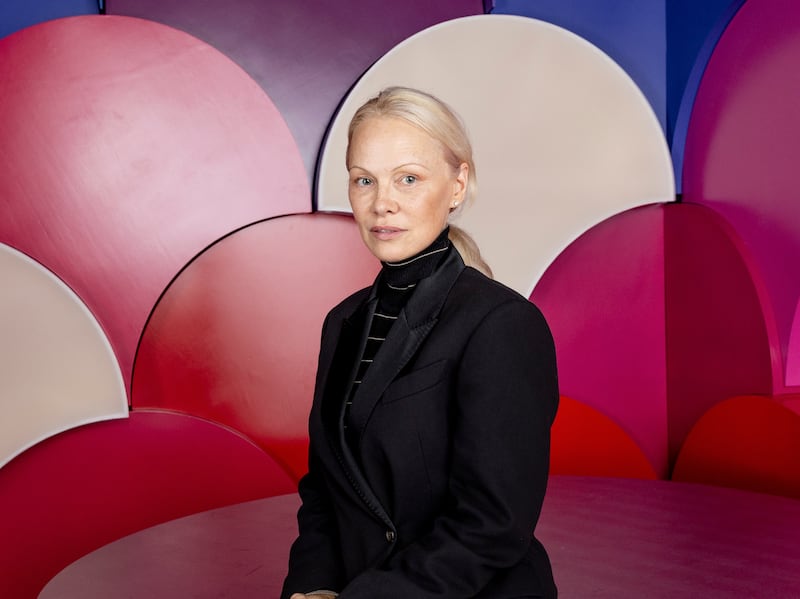 Pamela Anderson: The US actor has been widely praised for opting out of society’s current beauty standards. Photograph: Emma McIntyre/Getty Grooming dividends
Social scientists have increasingly found a connection between physical attractiveness and success. People who look good get more positive evaluations, says Kirrane, so it’s always worth trying to look the best you can with the resources you have.
If you’re well groomed, your suit looks good and everything is ironed, it leaves a positive impression. “Dress well, they remember the woman, dress badly and they remember the dress,” she says.
In the labour market, attractiveness is linked to higher earnings and greater likelihood of being invited for a job interview.
Good looks equal a bigger wallet as attractive people out-earn their peers by about 20 per cent, according to a 2016 study by sociologists Jaclyn Wong and Andrew Penner.
More recently, a 2025 German study found women who are well-groomed, wear make-up or appear more polished can make 2-5 per cent more per hour, or even up to 30 per cent more than colleagues perceived as less conventionally attractive.
The study by Reinhard Schunck, Johanna Gereke and Emily Hellriegel investigates how physical attractiveness affects income. The data for the study comes from the German Family Panel, a long-term study that follows the lives of more than 12,000 people in Germany over several years.
[ Gender pay gap: Women seethe quietly with rage at performative nonsenseOpens in new window ]
“Beauty may seem superficial, but it can have real consequences,” says Schunck, of the University of Wuppertal, in the European Sociological Review article. “Our results show that social perceptions of attractiveness can create lasting inequalities in the labour market – even in a highly regulated labour market like the German one, which offers less discretion for employers when setting wages compared to other countries.”
The findings underline the need for further research into the interplay between physical appearance, gender norms and labour market outcomes, said Hellriegel.
Until then, it’s best to dress for success … and maybe ask your accountant if you can write all the extra expenses off on your taxes?
Margaret E Ward is chief executive of Clear Eye, a leadership consultancy. margaret@cleareye.ie