
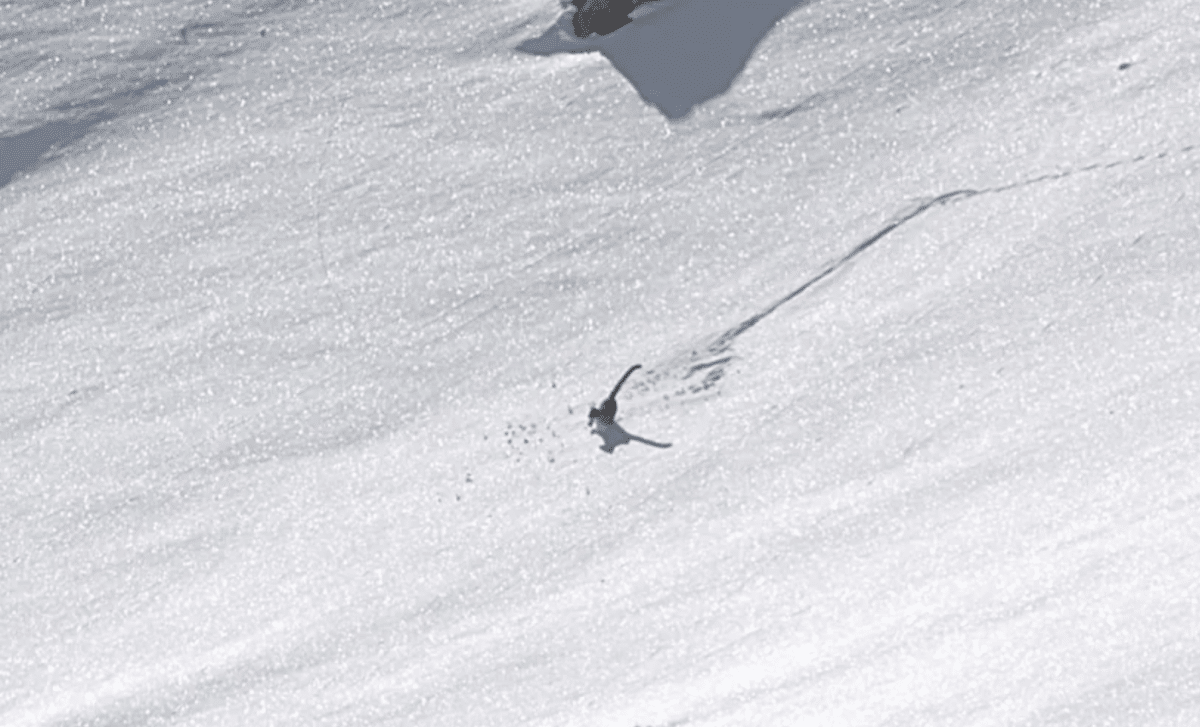
A fleeting yet powerful moment in the high mountains has revealed an unexpected side of one of the world’s most elusive predators, as wildlife photographer Rémi Vacher captured rare footage of a snow leopard playfully rolling down a snowy slope, an observation that challenges long-held perceptions of this solitary big cat.
A Behavior Few Have Ever Witnessed In The Wild
Snow leopards, known scientifically as Panthera uncia, inhabit some of the harshest and most remote terrains on Earth, ranging across Central and South Asia’s rugged mountain ranges. Their elusive nature, combined with low population density and extreme habitats, makes direct observation exceptionally rare. Most of what is known about these animals comes from camera traps or indirect tracking methods, leaving many aspects of their behavior largely undocumented.
The footage captured by Rémi Vacher stands out not only because of its clarity but also because of the behavior it reveals. Instead of the poised, calculated predator often depicted in documentaries, the snow leopard appears relaxed, playful, and seemingly carefree as it rolls down a snow-covered slope. This kind of spontaneous play behavior is rarely documented in adult big cats in the wild, especially in such isolated environments.
Moments like this offer valuable insights into the emotional and behavioral complexity of wildlife. Play is often associated with learning, physical conditioning, or stress relief in animals, suggesting that even apex predators engage in activities beyond survival-driven instincts. The scene captured here opens the door to deeper questions about how snow leopards interact with their environment when not hunting or defending territory.
The Viral Footage That Sparked Global Fascination
The clip quickly gained attention after being shared online, drawing reactions from viewers and wildlife enthusiasts across the globe. Its appeal lies in the stark contrast between expectation and reality: a powerful predator behaving with an almost childlike sense of joy. The visual of a snow leopard tumbling freely down a mountain resonates far beyond scientific curiosity, it humanizes a species often perceived as distant and untouchable.
“Pure joy!” he says while sharing the clip on Instagram. “Watch as this snow leopard lets loose and plays in the snow. You won’t regret it.”
In another post, the reaction remained just as enthusiastic: “One of the most incredible [things] you will see today,” he says when sharing the footage in another Instagram post. “A snow leopard playing in the snow and falling down the hill.”
These statements reflect not just excitement, but also the rarity of the observation. For many viewers, this may be the first time witnessing such behavior from a snow leopard, reinforcing how limited public exposure to authentic wildlife moments remains. The viral spread of the footage highlights the growing role of social media in bridging that gap, bringing remote natural phenomena directly to global audiences in near real time.
Why This Moment Matters For Science And Conservation
Beyond its visual appeal, this footage carries meaningful implications for wildlife research and conservation. Observations like this help scientists build a more nuanced understanding of animal behavior, particularly in species that are difficult to study in their natural habitats. The presence of play behavior may indicate a healthy individual in a relatively stable environment, offering indirect clues about ecosystem conditions.
Snow leopards are currently listed as vulnerable, facing threats such as habitat fragmentation, climate change, and human-wildlife conflict. Public engagement plays a key role in conservation efforts, and moments like this can reshape how people perceive these animals. When audiences see not just a predator, but a living being capable of play and expression, it fosters empathy and strengthens support for preservation initiatives.
The work of photographers like Rémi Vacher becomes especially significant in this context. By documenting authentic, unscripted wildlife behavior, they contribute both to scientific awareness and to public appreciation. Each captured moment becomes a visual record that can influence research, policy, and global attitudes toward endangered species.