
Historically, the Bangko Sentral ng Pilipinas has shown that maintaining inflation stability is the core driver of its monetary policy decisions. In an unscheduled meeting yesterday, the BSP reaffirmed its commitment to anchoring inflation expectations and taking a forward‑looking approach, particularly amid the risk of second‑round effects from rising oil prices. Previous episodes in 2022 and 2018 demonstrate that the BSP tended to hike rates once inflation breached the upper end of its 4% target.
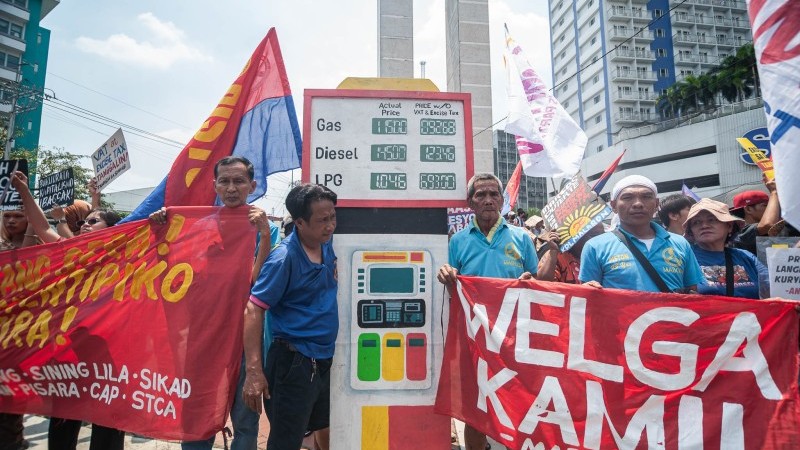
With Brent crude prices up roughly 40% month‑on‑month in March, headline inflation is now likely to exceed the target band even under our base case. This implies that CPI could breach 4% as early as March, raising the probability of a rate hike as early as April.
However, today’s growth environment is very different from 2022, when GDP growth exceeded 7.5%. The collapse in government spending has fed through to weaker investment and consumption, creating a materially softer growth backdrop and heightening downside risks. Real policy rates were already elevated before the oil price shock, meaning an additional hike would further constrain investment.
Given this weaker growth setting, and assuming the current conflict eases soon, our base case is that the BSP remains on hold in April.
That said, if oil prices stay above $100/bbl in our longer-war scenario, and with limited signs of de‑escalation in the ongoing conflict, the BSP may be compelled to consider raising rates as soon as April.