
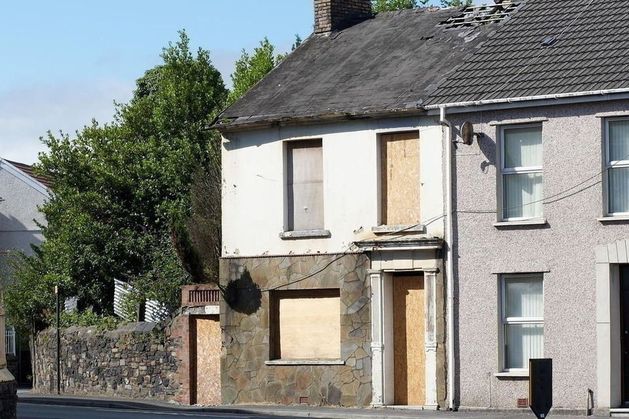
Vacancy analysis was carried out based on metered electricity consumption, finding 70,149 vacant dwellings nationally in 2024.
A dwelling was found to be vacant if it consumed a very low level of electricity, 2 kWh a day, for a consecutive 12 months.
The Local Authorities with the highest vacancy rates in the last three months of 2024 were Leitrim at 7.8pc, Donegal at 6.3pc, and Mayo at 6.0pc.
There were also high levels of vacancies in Cork County, Dublin city and Donegal.
In contrast, much lower vacancy rates were found in South Dublin at 0.9pc, Fingal 1.1pc, and Kildare 1.4pc. Other areas with low vacancies included cities Cork, Galway, Limerick and Waterford.
The rural-urban divide meant that there were 837 more vacancies in rural areas in 2024.
Meanwhile, vacancy levels dropped across 2024 in comparison to rates in 2023, which reached 72,254 in the last four months.
The CSO said that it found that dwellings which moved out of vacancy were more likely to be in rural areas, have higher BER ratings, be houses rather than apartments and have been constructed in more recent years.
Steven Conroy, Statistician in the Housing Division, said: “Today’s release identifies dwellings which were classified as vacant based on low levels of electricity consumption of around 2kWh per day, or 180kWh per quarter, over a period of at least four consecutive quarters. For context, 2kWh consumption is enough to power a medium-sized fridge for a day. This methodology provides insight into where vacant dwellings are and how vacancy rates have changed over time.”
Meanwhile, dwellings that became vacant were more likely to be in urban areas, have lower BER ratings, be houses rather than apartments and have an older year of construction.
The government’s housing action plan targets a reduction in residential vacancy.
The plan describes vacancy as a “blight on local communities” and a “missed opportunity” to provide new homes close to services, businesses and amenities.
Some of the government’s plans include introducing a new derelict property tax, providing for local authorities to use compulsory acquisition powers to buy vacant properties where owners fail to engage, bringing 20,000 properties back into use and improving, extending and expanding the Vacant Property Refurbishment Grant.