
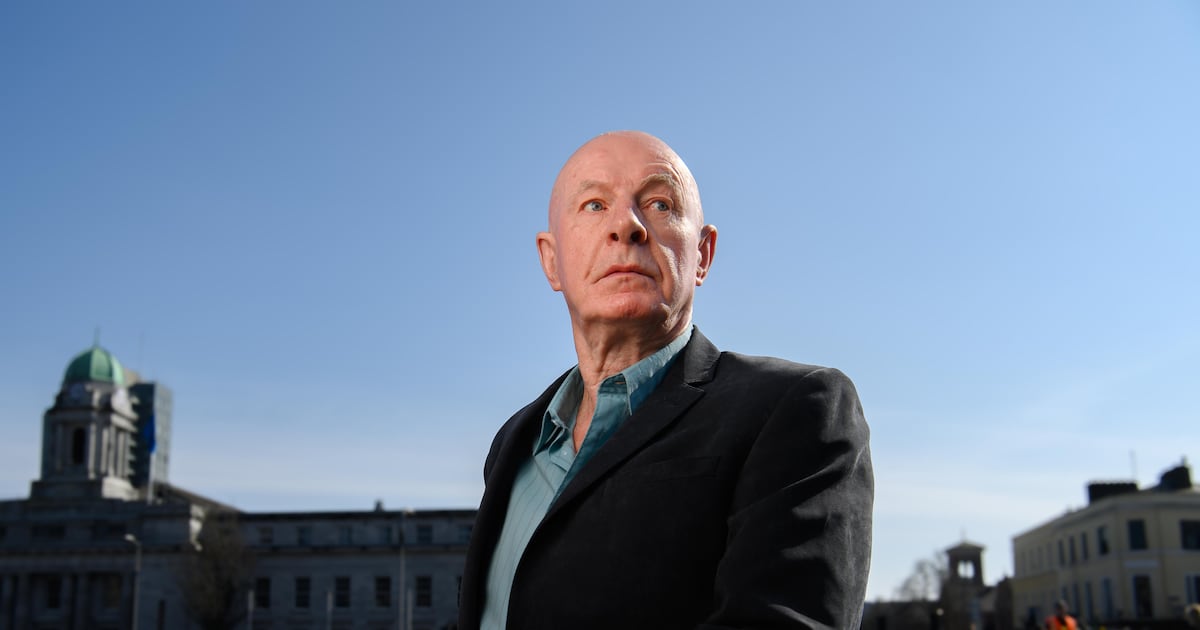
Sitting in the Imperial Hotel on South Mall in Cork on a sunny afternoon, former Garda Special Branch officer JP O’Sullivan, now aged 79, is adamant that the past cannot be left to rest.
For a decade from the mid-1970s, O’Sullivan “ran” an agent inside the IRA in Cork: father-of-eight John Corcoran. He was to die in a field in Kerry in 1985 at the hands of the IRA.
However, O’Sullivan claims Corcoran was sacrificed by senior gardaí, including then commissioner Laurence Wren, who led the force from 1983 to 1987, to protect the more useful informer, Sean O’Callaghan.
“First and foremost, for me, this is a matter of conscience. It has been a burden on me since it happened. It had to come out sooner or later. It’s a bit later, though, than I would have liked,” he says.
Now, the Ardfert, Co Kerry-born ex-garda has written his account of those years, a book titled Veil of Silence, which includes allegations that he was framed on a harassment charge.
O’Sullivan says that although, today, the 1970s is a forgotten decade, it was an period when the IRA threatened the State’s security: “There was no threat from England; it was only the Provos.”
Early on, O’Sullivan was just one of three gardaí in Cork, where he has lived for decades, on “the political stuff”.
“We did nothing else. Gradually, the numbers increased. Nobody else in the cops knew anything about what was going on.”
Corcoran – then a 35-year-old store clerk, “always well-dressed in a casual way” – came to the Special Branch’s attention in 1975 once he was suspected of being a local IRA intelligence officer.
During an interrogation, Corcoran “didn’t tell us very much”, bar that his sympathies were with the IRA, but said he did not approve of armed actions by the IRA in the Republic.
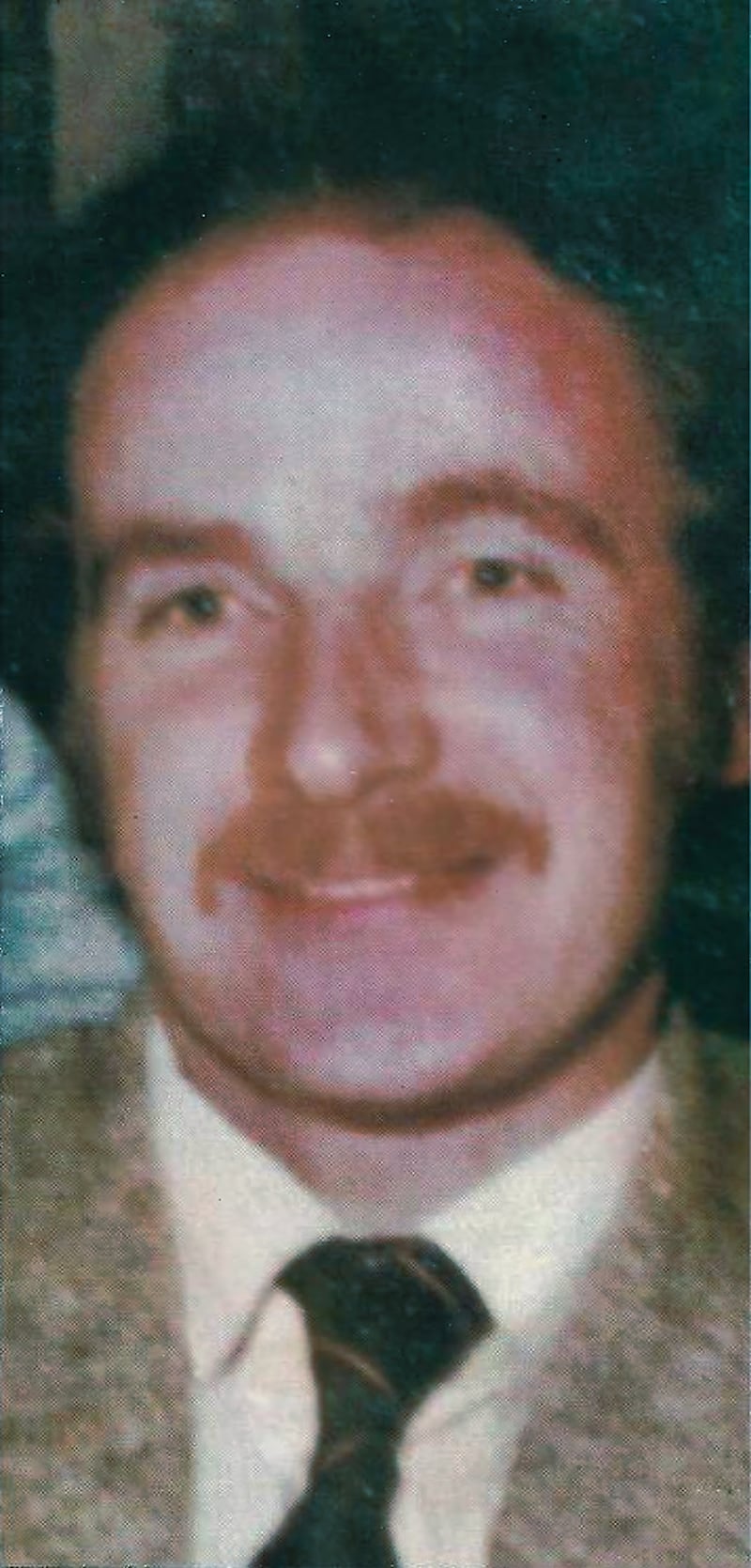 John Corcoran: An IRA member and Garda informer, he was murdered by the IRA in February 1985
The first encounter with Corcoran was gently handled; the second, less so. On that occasion, he was told he would be jailed for IRA membership on the word of a Garda chief superintendent.
“We let that sink in before we discussed the possible implications for him in a more sympathetic way,” O’Sullivan says.
Initially, he told gardaí little but in time he became more valuable.
Clandestine meetings followed, sometimes on a poorly lit but relatively busy road close to University College Cork where “nobody would glance twice at a couple of people sitting in a car”.
Rules brought in by Garda commissioner Edmund Garvey – who was sacked in 1978 – caused problems for O’Sullivan and his colleagues, requiring them report to directly to Garda headquarters and not to local superiors.
In January 1976, O’Sullivan and his two colleagues reported that the Provisionals, the Official IRA and the Irish National Liberation Army had met in Dunmanway, Co Cork on New Year’s Eve.
They had discussed merging if “total war” erupted in Northern Ireland. Faced with the threat of a united republican front, Garda headquarters reacted strongly, angering local officers left out of the loop.
In September 1976 Corcoran passed on information that led to the capture of an IRA gunman, which led to Wren approving payments to him.
“But John was always reluctant to accept them,” says O’Sullivan.
Even more angered, a senior officer in Cork “hounded” Corcoran, wanting control of him – so much so that O’Sullivan’s team told Corcoran to pass on some information to the officer “to get him off his back”.
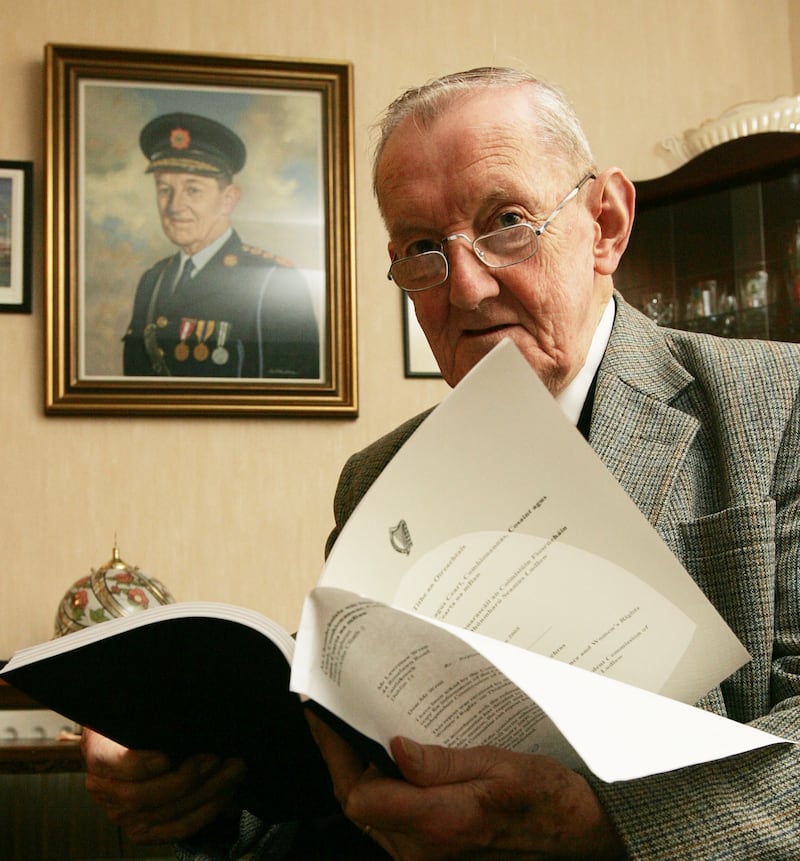 Former Garda commissioner Laurence Wren, who died in 2016, pictured in 2005, after he had retired. Photograph: Alan Betson
A “single telephone call” from Wren – who was then in charge of C3/Special Branch – would have ended the turf war, O’Sullivan says: “He could and should have sorted it out.”
By now, the IRA was funding itself through bank and post office robberies in the Republic. Corcoran passed on information about a plan by Kerry IRA members to raid a post office in Cork city.
On October 6th, 1981, the gang struck Togher post office on Cork’s southside, but they were quickly forced to surrender by gardaí who had been lying in wait.
IRA morale in Munster plummeted, and informer suspicions grew.
By 1983, Corcoran, who passed on information about a Kerry IRA training camp, had built a relationship with the increasingly influential Sean O’Callaghan.
O’Callaghan was already a double killer – killing UDR “Greenfinch” (female member) Private Eva Martin in a 1973 mortar attack in Clogher, Co Tyrone, and Catholic RUC special branch officer Peter Flanagan four months later in a bar in Omagh.
[ Sean O’Callaghan: Former Provisional IRA commander and informerOpens in new window ]
By February 1984, Corcoran had told O’Sullivan that leading IRA figure Michael Burke was staying in a safe house in Kerry. But O’Sullivan feared for Corcoran’s safety if Burke was arrested.
O’Sullivan says he sent three warnings to assistant commissioner Stephen Fanning, but could get no reply.
“I was baffled and worried by the silence from Garda HQ,” he says.
Corcoran had driven Burke, so O’Sullivan’s report had emphasised the risks “that any rash action would almost certainly compromise [his] cover and put his life in jeopardy”.
In August, Burke, later jailed for kidnapping Don Tidey, had handed himself in, but only because O’Callaghan had told him that a Garda contact had said gardaí did not have enough evidence to convict.
 When the IRA kidnapped Don Tidey
Corcoran feared that O’Callaghan would be wrongly blamed for Burke’s fate and wanted O’Sullivan to explain this to Garda HQ, which he did on September 4th.
“In a cruel irony, John just wanted to protect O’Callaghan,” says O’Sullivan.
Today, the former Special Branch officer believes O’Callaghan was, in fact, preparing his own defences against being accused of being an informer and was ready to see Corcoran sacrificed.
Just weeks later, the Naval Service seized the fishing vessel Marita Ann, with Martin Ferris, later a Sinn Féin TD, onboard. It was intercepted off the coast of Kerry, carrying arms for the IRA from Boston.
“I believe that feedback to O’Callaghan from C3 about my September 4th report confirmed to O’Callaghan that John was, in fact, a Garda agent,” O’Sullivan says of Corcoran.
By late 1984, the net was closing around the informer. In February 1985, he was told to drive an IRA man “of some importance” to houses in Cork. If the information leaked, Corcoran would be caught.
Having picked up the man at the West End bar in Ballincollig, Co Cork, he drove him to a house in Churchfield on Cork’s northside. O’Sullivan told his superiors to do nothing, lest it endanger Corcoran. However, the house was raided.
On March 10th, O’Sullivan telephoned Corcoran at work; Corcoran told him that he was going to “do a job” in Kerry – the usual code for IRA activities.
“That was the last time I spoke with him,” O’Sullivan says. The two were due to speak the following day, but there was no contact. Corcoran’s body was found five days later in Ballincollig after, gardaí believe, he was murdered in Kerry.
Frozen out of the subsequent murder investigation, which was rapidly wound down, O’Sullivan insists Corcoran’s life could have been saved by the Garda’s most senior officers: Wren, deputy commissioner John Paul McMahon and assistant commissioner Stephen Fanning.
He had sought direction as his fears for Corcoran’s safety grew, but had received no reply.
“It was in that vacuum of silence and inaction by Garda officers of the highest rank that John’s fate was sealed,” says O’Sullivan. “He became the victim of murky manoeuvres in high places that ran parallel to a legitimate Garda intelligence-gathering operation against the IRA.”
A month after Corcoran’s killing, O’Sullivan sought a one-to-one meeting with Wren. Instead of getting that, he faced Wren, McMahon and Fanning. The three “sat there stony-faced” as he laid out his “horror” about Corcoran’s murder.
With hindsight, he believes they feared what he knew about O’Callaghan.
“That was their only concern; they wanted to know what I knew. That was why they had gathered in strength,” he says.
Speaking slowly, he continues: “The three top rankers did nothing when they should have acted to save John Corcoran’s life. It could have been done.”