
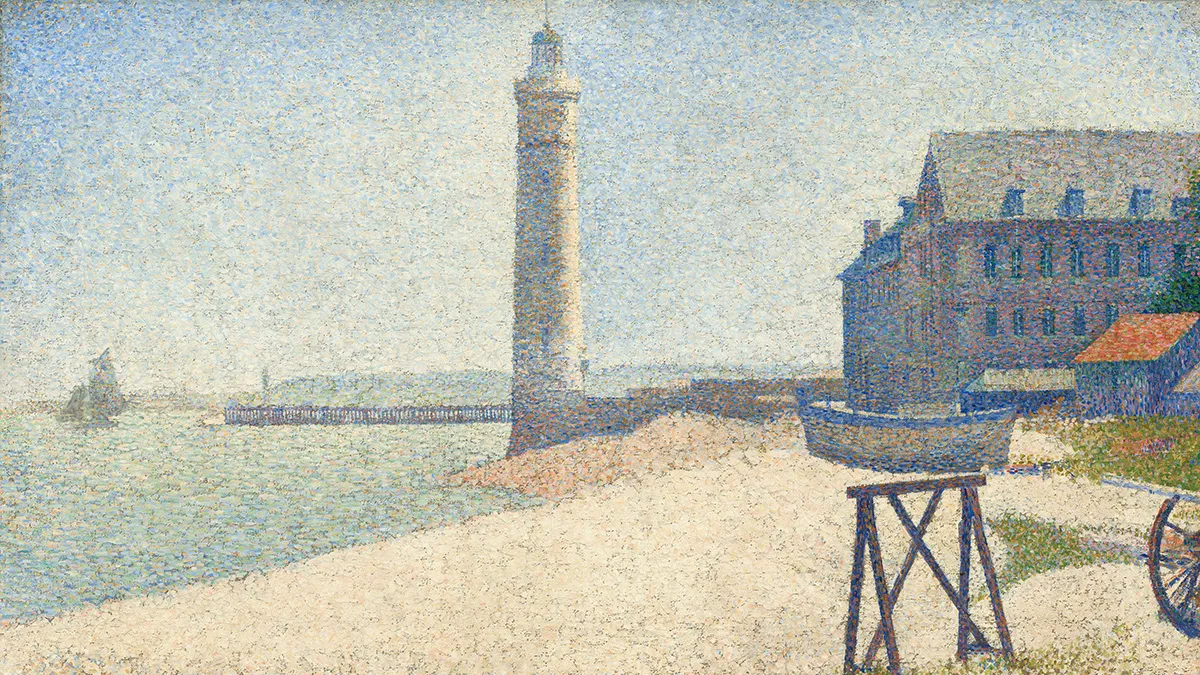
What strikes you first about the Normandy coast is the extraordinary quality of the light.
Much has changed in the almost 150 years since the artist Georges Seurat travelled here, filling his notebooks with drawings and painting the small oil studies that he would turn into canvases when he returned to his studio in his native Paris.
Almost two dozen of Seurat’s paintings, oil sketches and drawings of port towns such as Honfleur, Port-en-Bessin and Gravelines are on display in an exhibition at the Courtauld until May 17. They are the fruit of the five summers the artist spent here between 1885 and 1890, showing seascapes, regattas and port life created with his distinctive neo-impressionist technique, pointillism.
Ports and harbours have been expanded and modernised since Seurat’s day, and what were once calm stretches of coast paved over with promenades and holiday homes. The soft chalk cliffs have continued to be eaten away by the waves, tides and storms, despite the best efforts of man to preserve them.
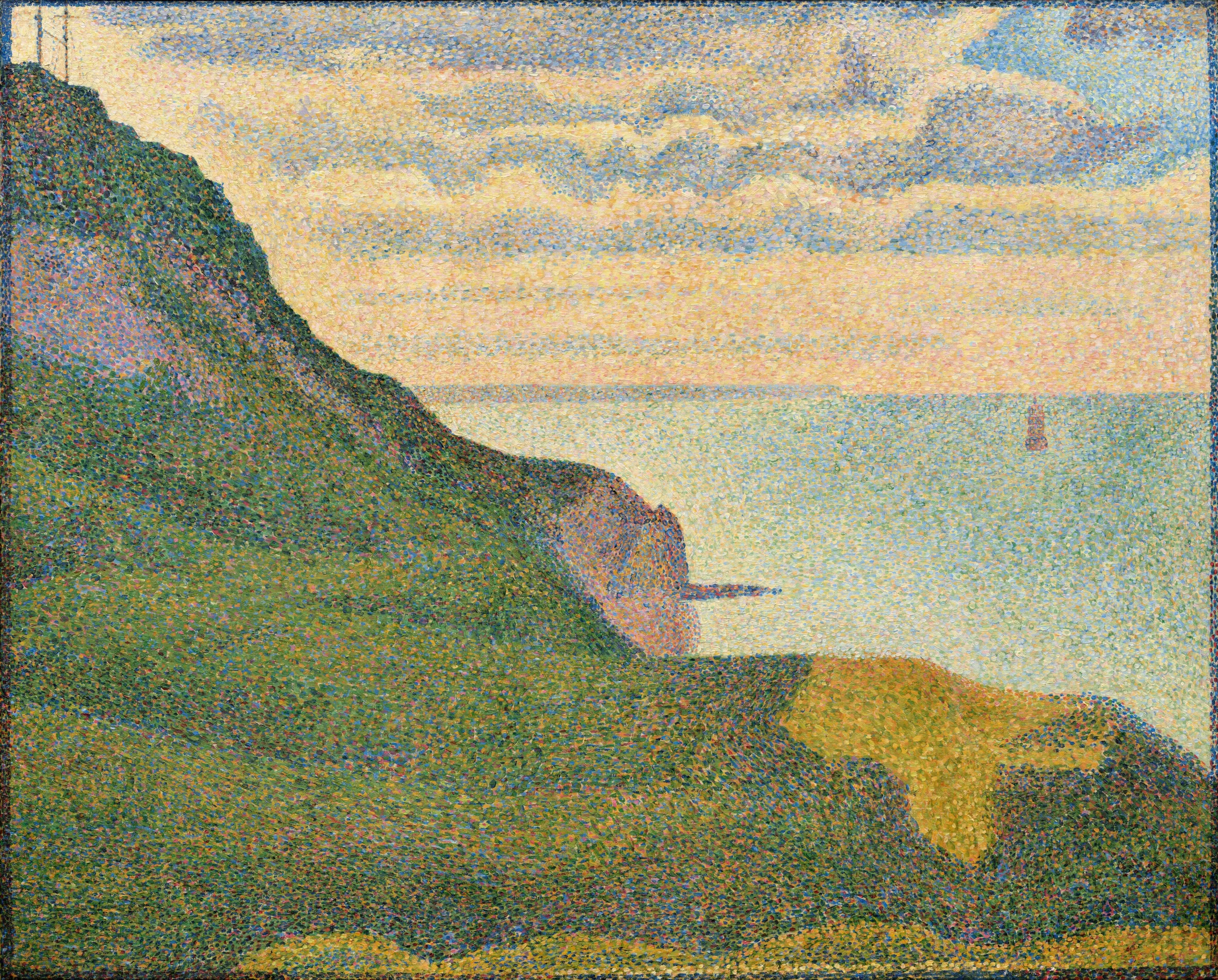 Seascape at Port-en-Bessin, 1888COURTAULD GALLERY
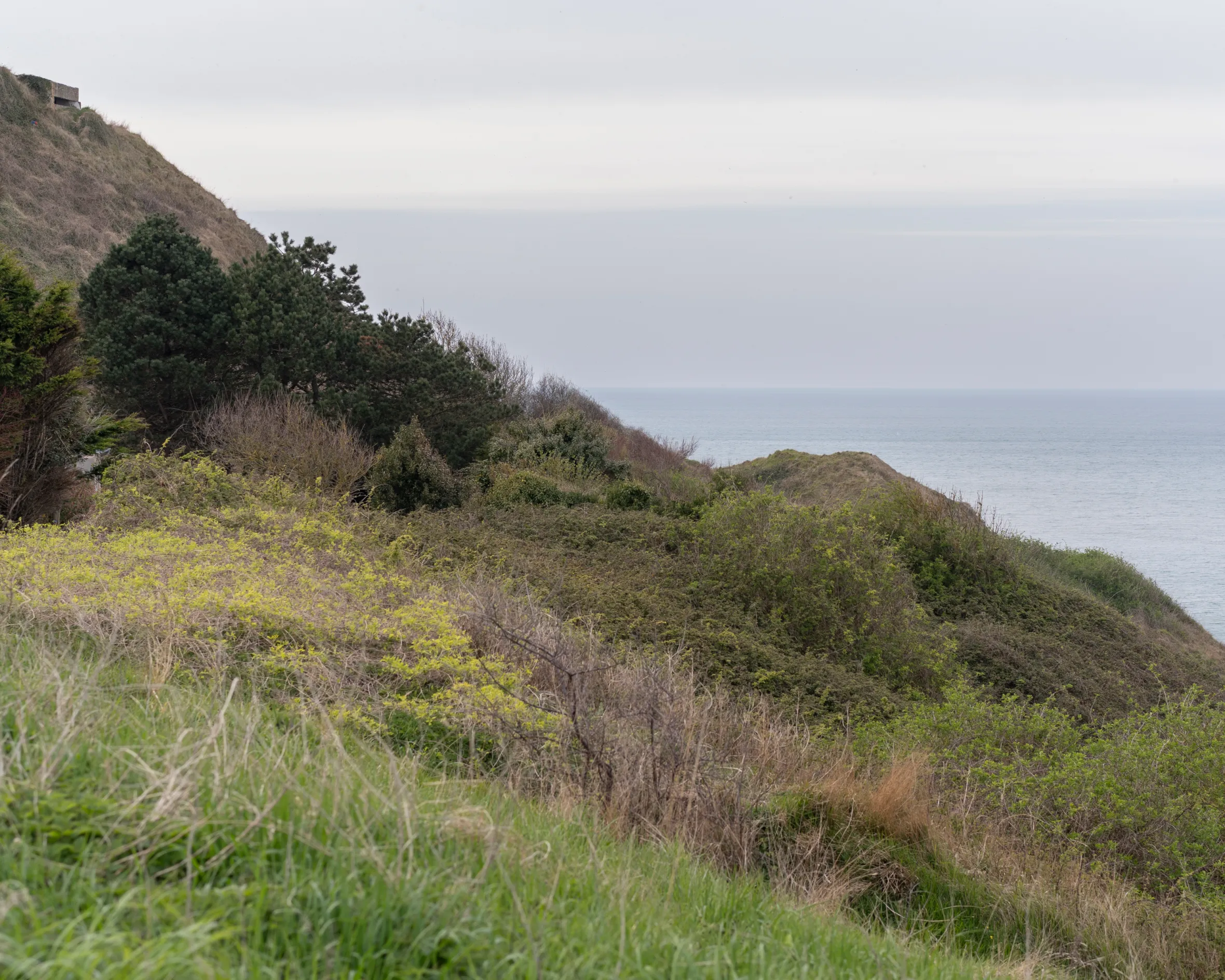 Nathan Laine for the sunday times
Yet the light is still as Seurat painted it. I came here with a camera in search of this light, using a 55mm lens to recreate the tightness of his compositions.
Entrée du port d’Honfleur, which Seurat created in 1886, still feels recognisable, although in his day the harbour opened more directly toward the sea. Nearby stands the town’s lighthouse, which he painted the same year. In Le Phare à Honfleur, 1886, it appears to rise straight from the sea. It now lies well inland; the shoreline here has been pushed outwards by harbour works and the reclaiming of land from the sea.
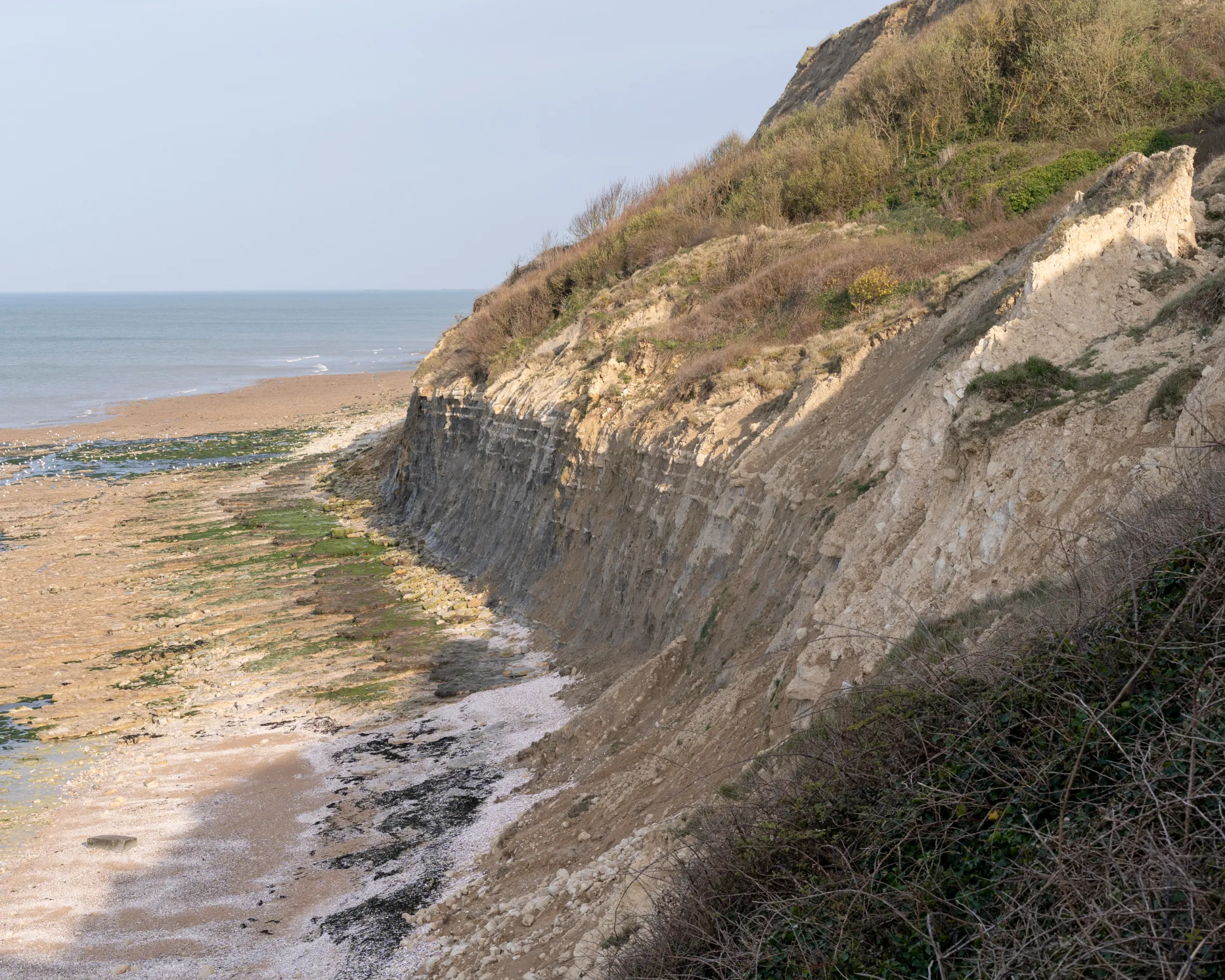
Further west at Port-en-Bessin-Huppain, I came across a photograph from the period. It showed sailing boats beneath the same chalk cliffs from which Seurat painted in 1888. The sails were the same shape as in his work.
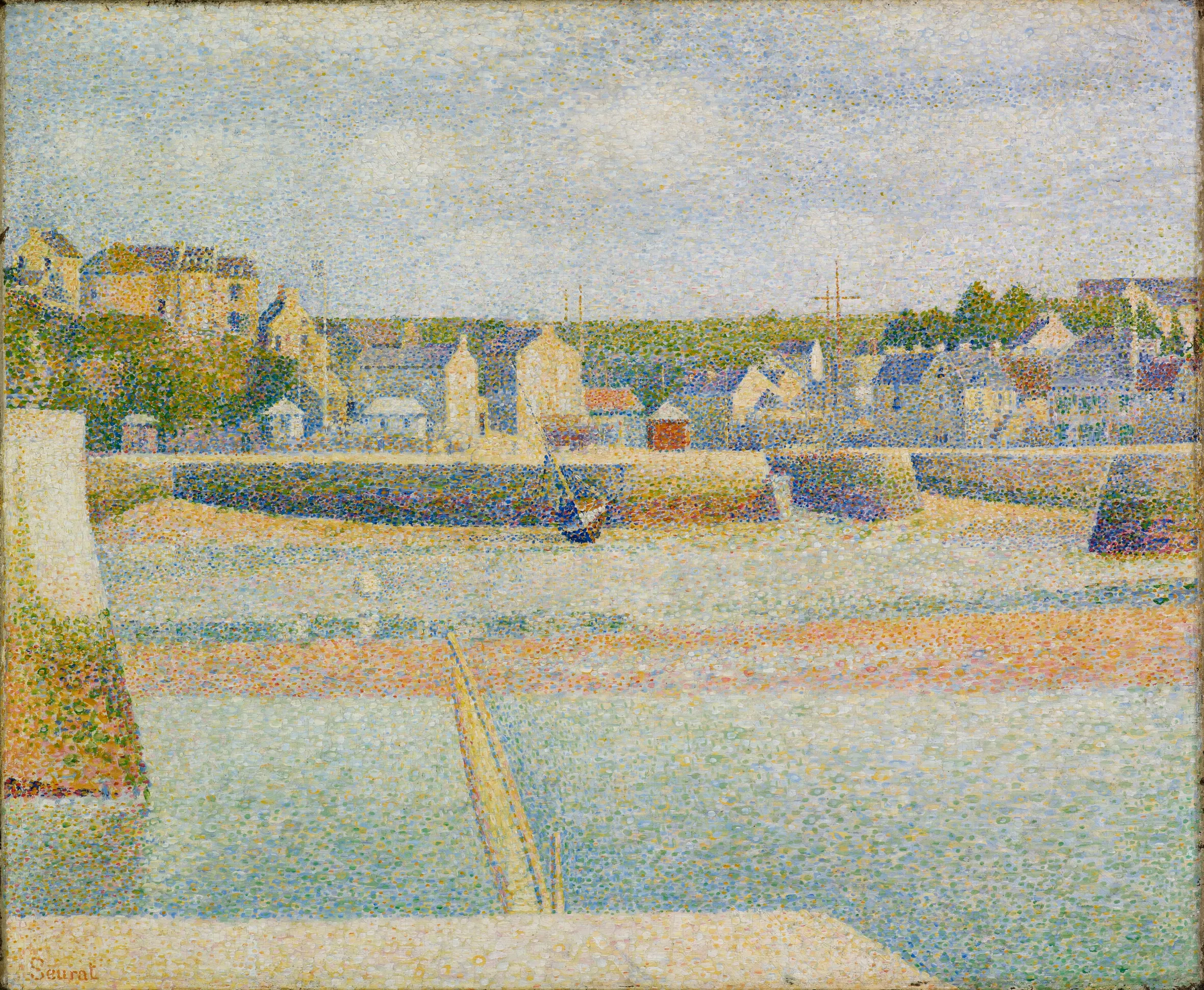 Port-en-Bessin: the Outer Habour (Low Tide), 1888
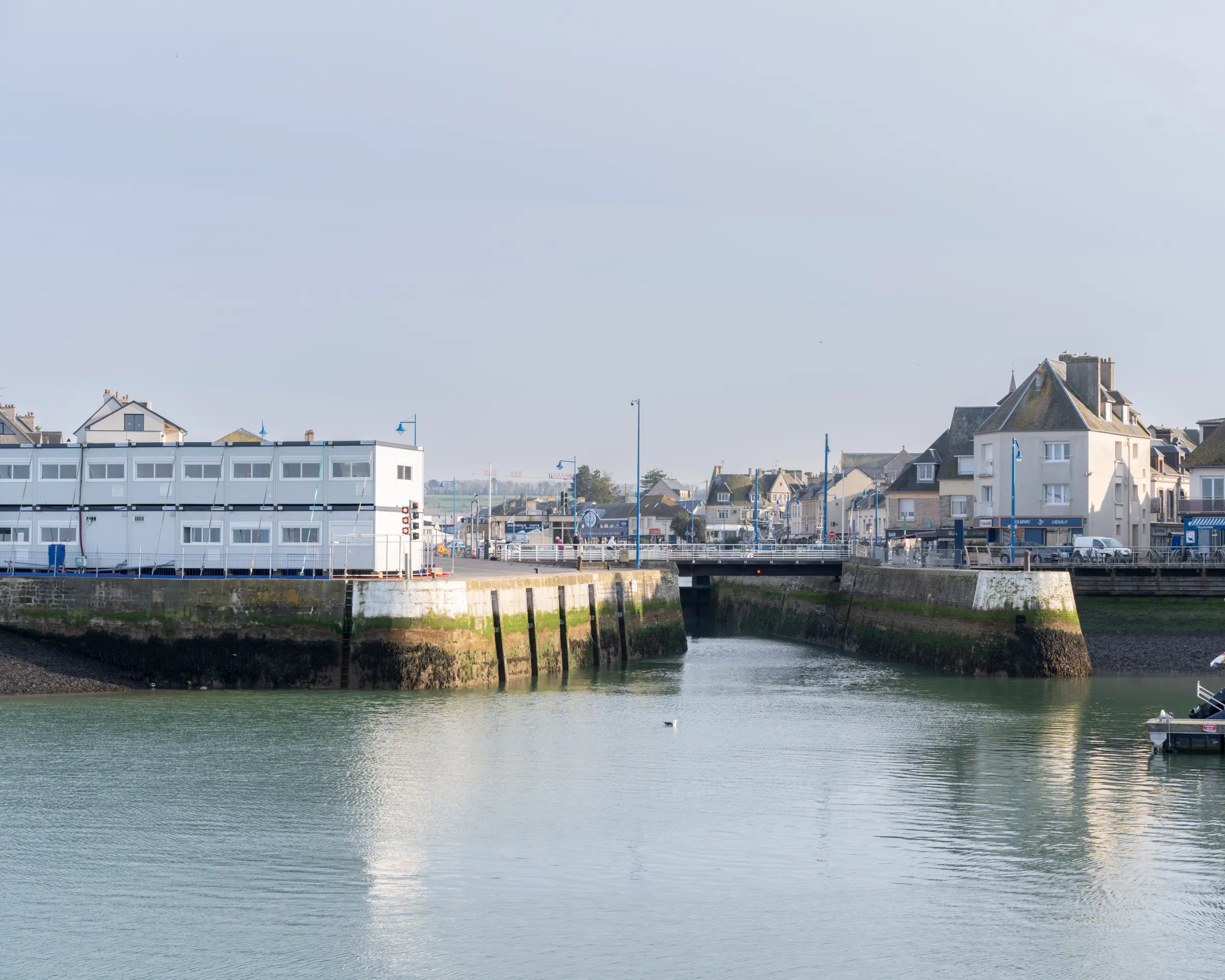 Nathan Laine for the Sunday Times
After reproducing another of his views, I turned around and looked behind me: the landscape resembled another painting from 1886, Beach at Bas Butin, Honfleur, which lay a good 50 miles behind me. A conscious decision, or had Seurat simply mixed up the two places in his mind by the time he got to work on his canvas, back in his studio in faraway Paris?
My journey ended ten miles further west at Le Bec du Hoc, the rocky headland he painted in 1885. In the canvas it is a quiet triangle of land and sea. Just over half a century later those same cliffs overlooked some of the most dramatic moments of the Normandy landings. Today the viewpoint lies within a landscape scattered with blockhouses and other remnants of the Second World War.
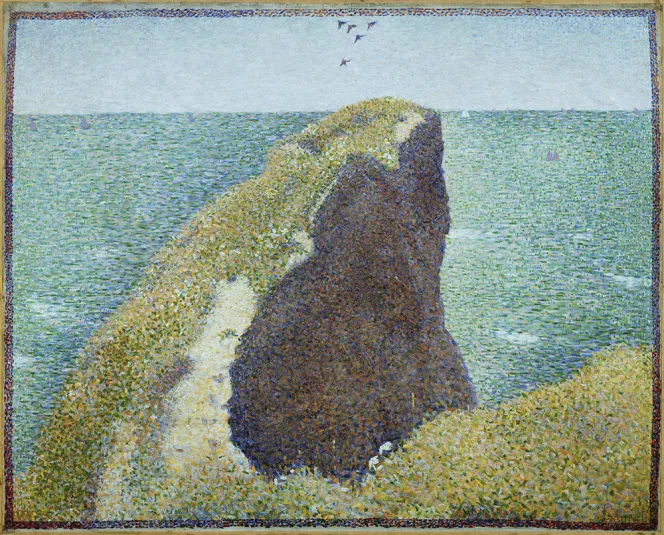 Le Bec du Hoc, Grandcamp, 1885Tate Images
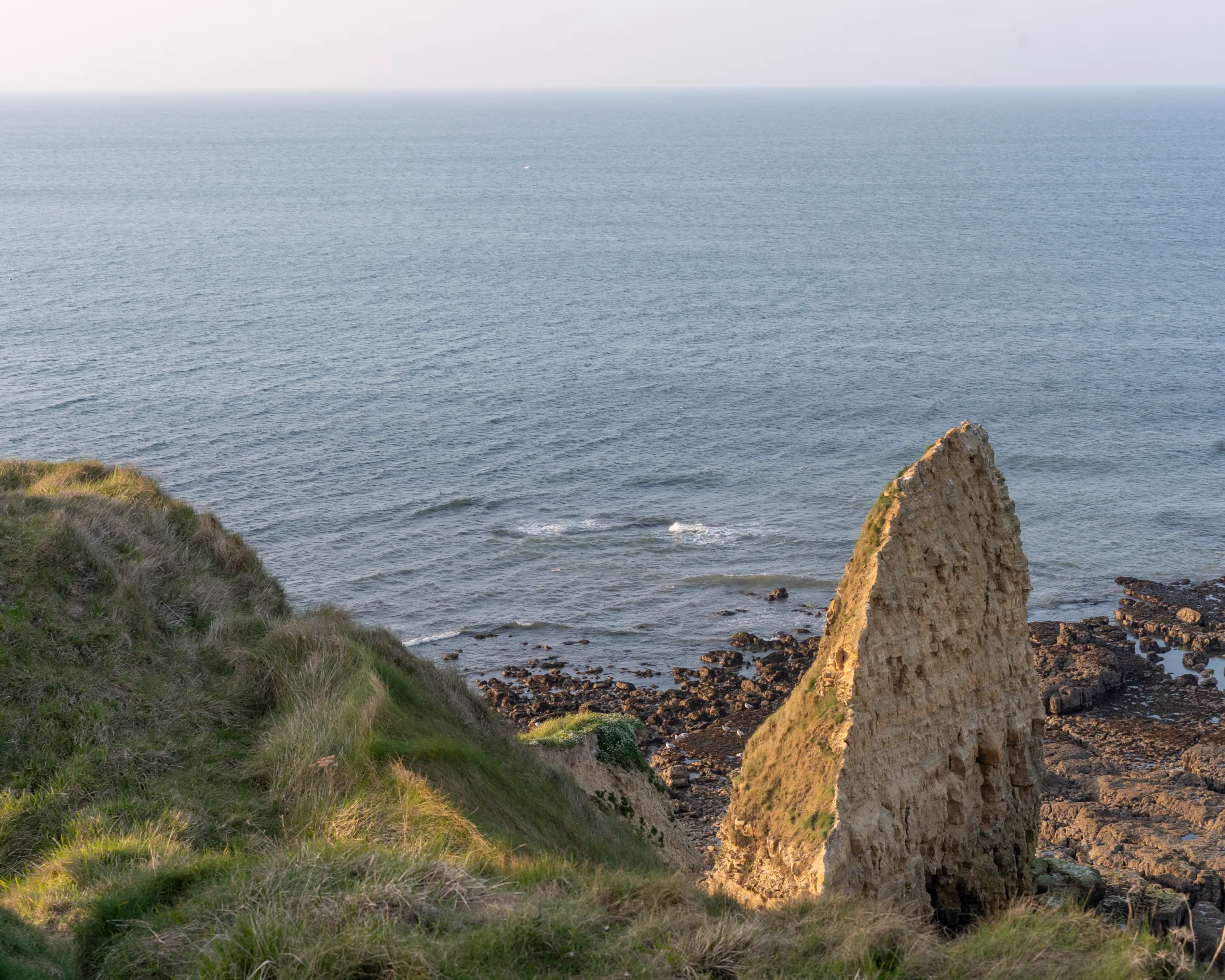 Nathan Laine for the Sunday Times
Walking these harbours and cliffs with a camera helped me to understand the structure of Seurat’s paintings: the horizon against land and the restless reflection of light on water.
You don’t have to follow in the artist’s footsteps, as I did, to enjoy his work. But it certainly helps you to appreciate it even more.
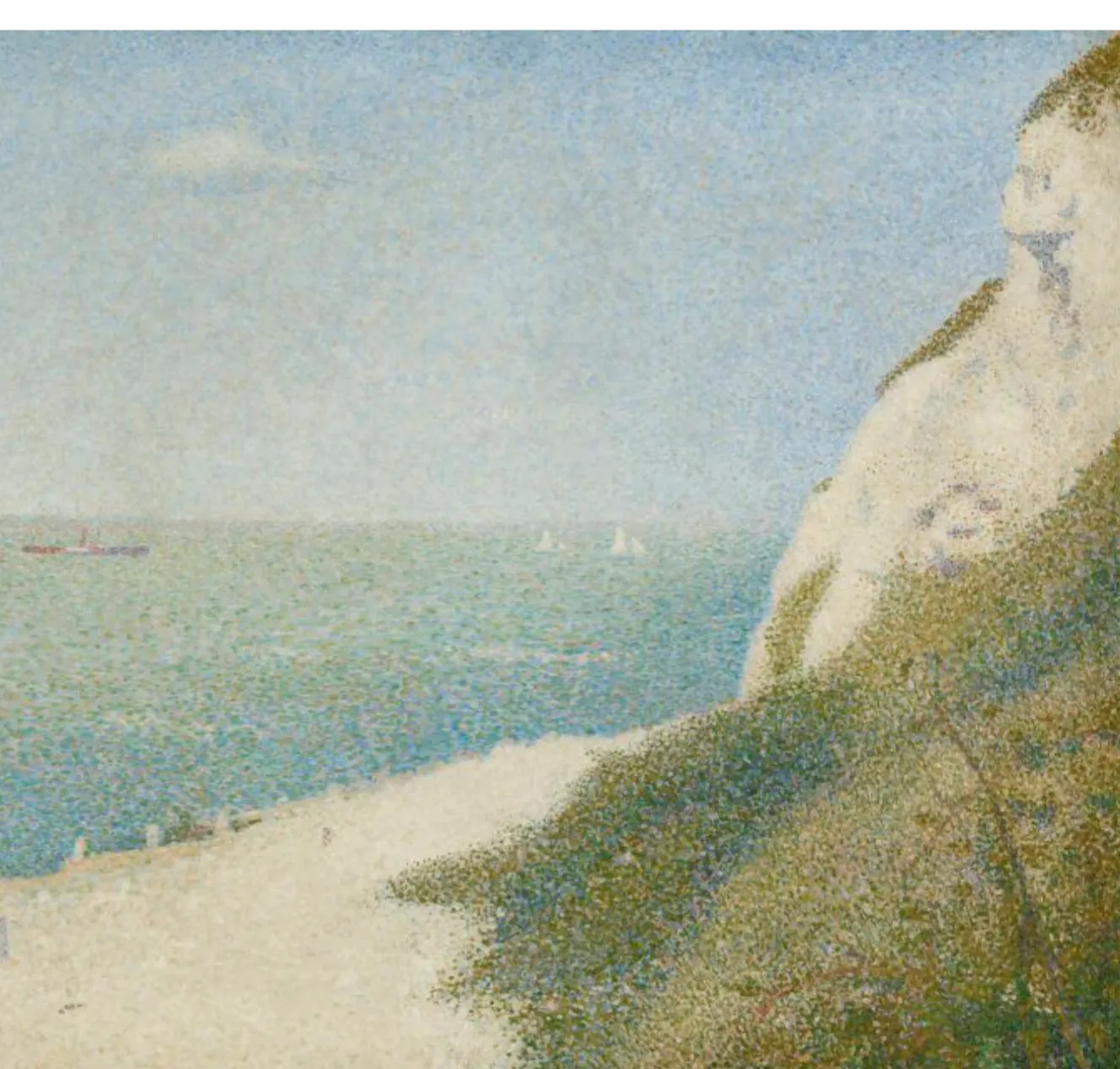 Beach at Bas Buttin, which was actually inspired by Port-en-Bessin
 Nathan Laine for the sunday times
Seurat and the Sea is on show at the Courtauld Gallery until May 17