
Home » Latest Travel News » Canada Joins US, Germany, Italy, France, Japan, China and Others to Face More Possible Tourism Challenges and Rising Inflation in Lifestyle Costs If the Middle East Crisis Does Not End Soon: Everything You Need To Know
Published on
March 29, 2026
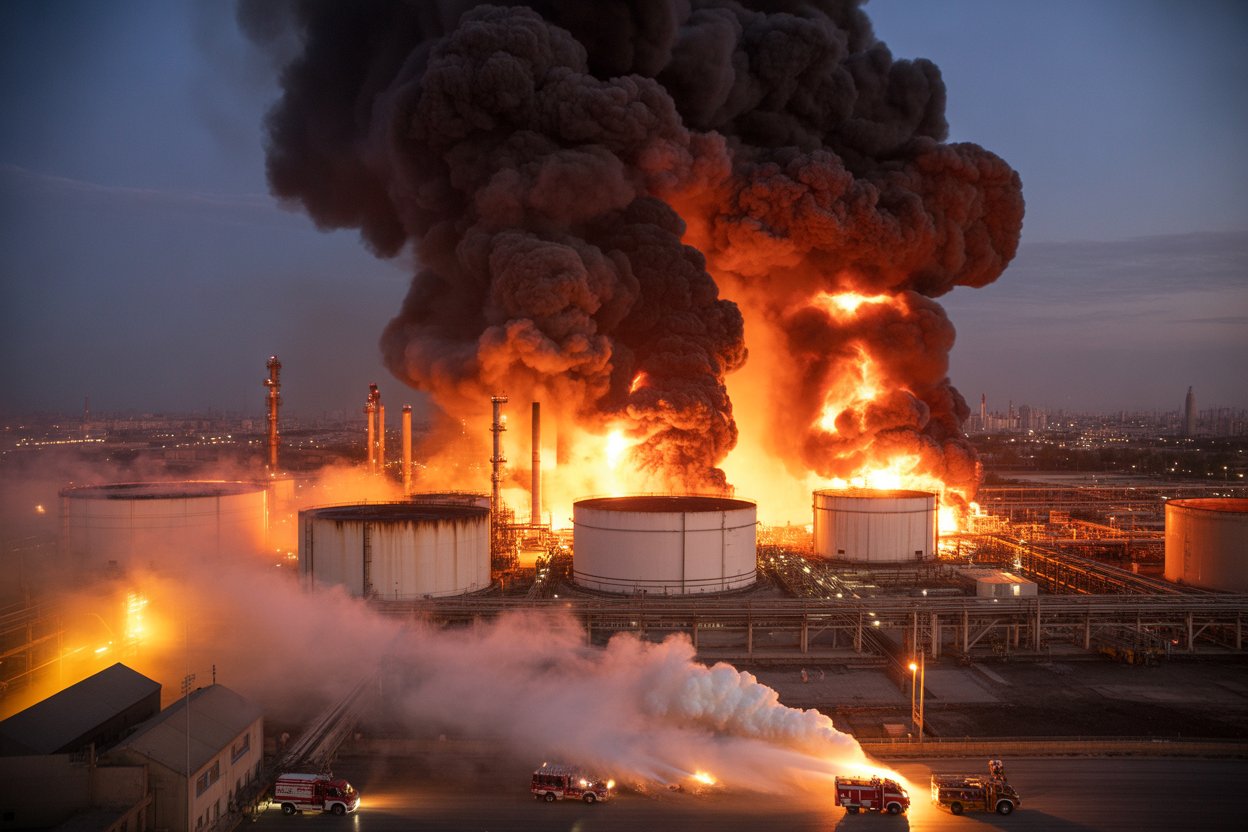
Image generated with Ai
Canada joins US, Germany, Italy, France, Japan, China and others to face more tourism challenges and rising inflation in lifestyle costs if the Middle East crisis does not end soon due to fuel shocks and airspace disruption. As the crisis intensifies, fuel shocks are rapidly driving up aviation costs, forcing airlines to raise fares and reduce capacity across long-haul routes. At the same time, widespread airspace disruption over critical Gulf corridors is extending flight durations, increasing operational strain, and weakening global connectivity. Consequently, tourism demand is beginning to contract, particularly from high-spending international markets, while domestic travel alone cannot compensate for the decline. Moreover, rising energy prices are fuelling broader inflation in lifestyle costs, from transport to hospitality, reducing discretionary spending worldwide. If the Middle East crisis does not end soon, Canada, the US, Germany, Italy, France, Japan, China and others will face sustained tourism challenges, weakened travel flows, and escalating economic pressure across the global tourism sector.
Canada — Rising Costs and Limited Connectivity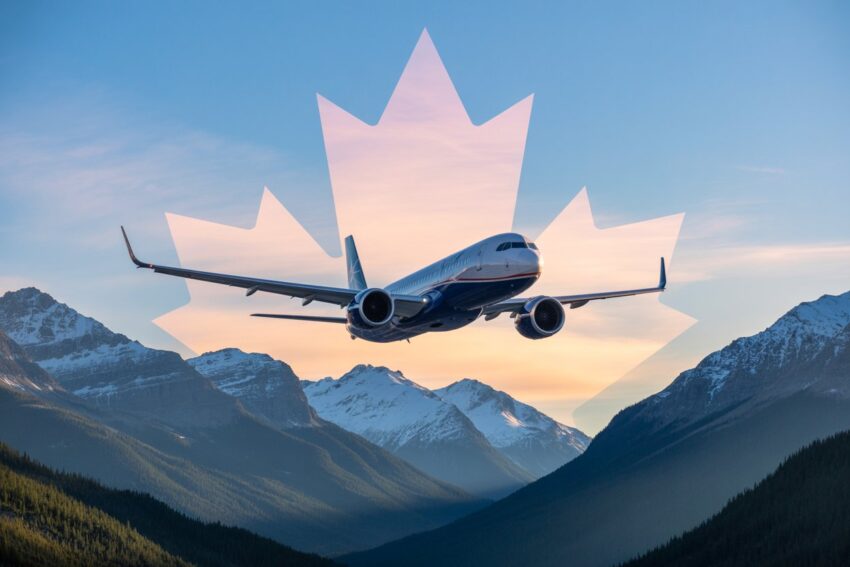
Image generated with Ai
Canada’s tourism sector will face increasing challenges due to rising fuel costs and reduced connectivity. Airfares are expected to rise by 20–30% on international routes, making travel less affordable. The suspension of Gulf carrier operations will limit access to Asia and the Middle East, forcing travellers to rely on longer and more expensive routes. Inbound tourism from high-spending markets will decline, while domestic tourism may not fully offset losses. Small tourism businesses will be particularly vulnerable to rising costs and reduced demand.
Key Stats & Figures:
Airfare increases of 20–30%Jet fuel rising toward $2.50 per litre1,400 emergency calls dailyAround 1,000 citizens repatriatedUnited States — Domestic Shift and International Decline
Image generated with Ai
The United States will continue to experience mixed tourism impacts if the crisis persists. Rising fuel costs will push airfares higher, reducing long-haul travel demand and inbound tourism from Asia and the Middle East. However, domestic travel and nearby destinations such as the Caribbean may benefit from redirected demand. Airlines will face higher operating costs, potentially leading to capacity cuts and fare increases. The tourism sector will see a shift toward shorter, domestic trips while international travel weakens.
Key Stats & Figures:
Gas prices rising above $3 per gallonJet fuel up to $3.99 per gallonAirline costs up by $11 billionFlight capacity reduced by 5%Italy — Safe Haven with Revenue Trade-Off
Image generated with Ai
Italy is emerging as a major beneficiary of diverted tourism, with strong booking growth across coastal regions such as Amalfi and Sicily. However, the absence of high-spending Gulf visitors will reduce overall revenue per traveller. Rising energy costs will also increase operational expenses for hotels, airlines, and cruise operators. Italian travel agencies have already reported losses exceeding €222 million from cancellations, and continued disruption could extend losses into peak summer. While visitor volumes may remain strong, profitability and premium tourism segments will face pressure, creating a mixed outlook for the sector.
Advertisement
Advertisement
Key Stats & Figures:
Travel agency losses exceed €222 millionGulf visitor spending around €1,000 per tripBooking demand up over 50%Rising operational energy costsGermany — Cost Pressure and Shifting Travel Patterns
Image generated with Ai
Germany’s tourism sector is set to face a complex dual challenge if the Middle Eastern conflict continues for another month. Rising fuel prices, already pushing petrol above €2.50 per litre, will further squeeze household budgets and reduce long-haul travel demand. Outbound tourism to Asia and the Gulf will remain disrupted due to rerouting, longer flight durations, and higher fares. Lufthansa’s continued suspension of Middle East routes will weaken connectivity, forcing travellers to pivot toward domestic and intra-European destinations. While Germany may benefit slightly from a “safe destination” perception, reduced business travel and industrial slowdown will offset gains. The tourism sector will likely become more regionalised, with fewer high-spending outbound travellers and a shift toward shorter, cost-conscious trips.
Key Stats & Figures:
Fuel prices above €2.50 per litreGDP impact risk up to 0.5% declineLufthansa suspensions across Gulf routes22–30% surge in Spain travel searchesFrance — Tourism Gains Mask Structural Risks
Image generated with Ai
France may initially benefit from redirected tourism, as travellers choose Paris and the Riviera over Middle Eastern destinations. However, prolonged conflict will expose deeper vulnerabilities. Air France’s suspension of Gulf routes will reduce connectivity to Asia and Africa, while rising fuel costs will increase ticket prices and reduce affordability. The absence of high-spending Gulf tourists, critical for luxury retail and hospitality, will impact revenue significantly. Cruise tourism will also face higher fuel costs, potentially leading to reduced itineraries or price hikes. France’s tourism sector will face a balancing act between increased visitor numbers and declining profitability per visitor.
Key Stats & Figures:
Gas prices surged over 60%Major “oil shock” warning issuedShipping costs increased 5–10 timesStrong demand shift toward EuropeIndia — Connectivity Breakdown and Cost Surge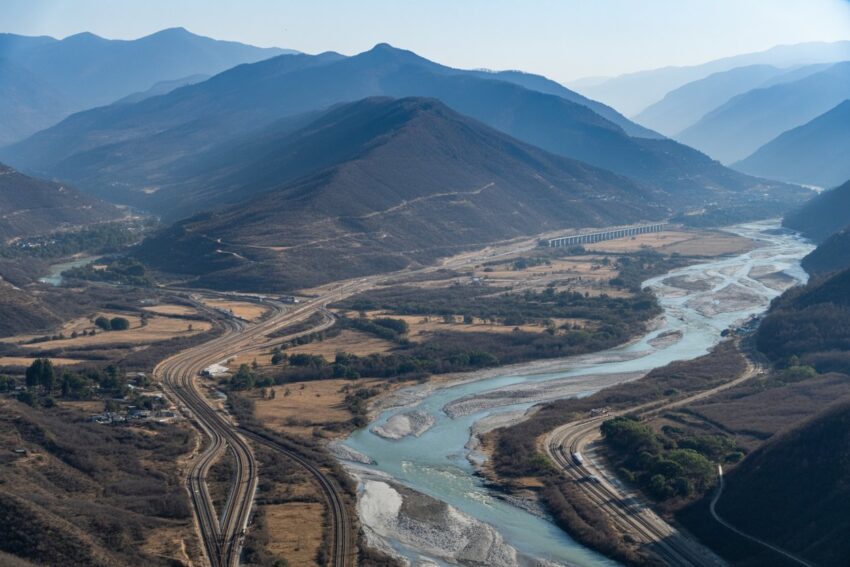
Image generated with Ai
India’s tourism sector will face significant disruption if the conflict continues, primarily due to its dependence on Gulf transit routes. With millions of passengers travelling through the UAE and Qatar monthly, continued airspace restrictions will severely impact connectivity. Airfares have already surged due to rising aviation fuel costs, and further increases will reduce both outbound and inbound travel demand. Indian travellers are likely to shift toward domestic or nearby destinations, while long-haul travel remains constrained. Rising oil prices will also increase inflation, reducing discretionary spending on travel and tourism.
Key Stats & Figures:
Oil import dependency around 85%Airfare increase up to 40%24 vessels and 600+ seafarers affected2 million monthly India–UAE passengersJapan — High Costs and Reduced Long-Haul Travel
Image generated with Ai
Japan’s tourism sector will face mounting challenges due to its heavy reliance on Middle Eastern energy. Rising fuel costs will increase global airfares, reducing inbound travel from Europe and the Middle East. Outbound travel from Japan will also decline as consumers face higher costs and a weak currency. Airlines may reduce frequencies or adjust routes to manage fuel expenses, further limiting connectivity. While domestic tourism may see some growth, it will not fully compensate for the loss of international visitors, particularly high-value travellers.
Key Stats & Figures:
Oil dependency around 95%Fuel prices near record highsStrategic reserves cover 254 daysStock markets dropped around 5%China — Stable Core but Global Demand Risk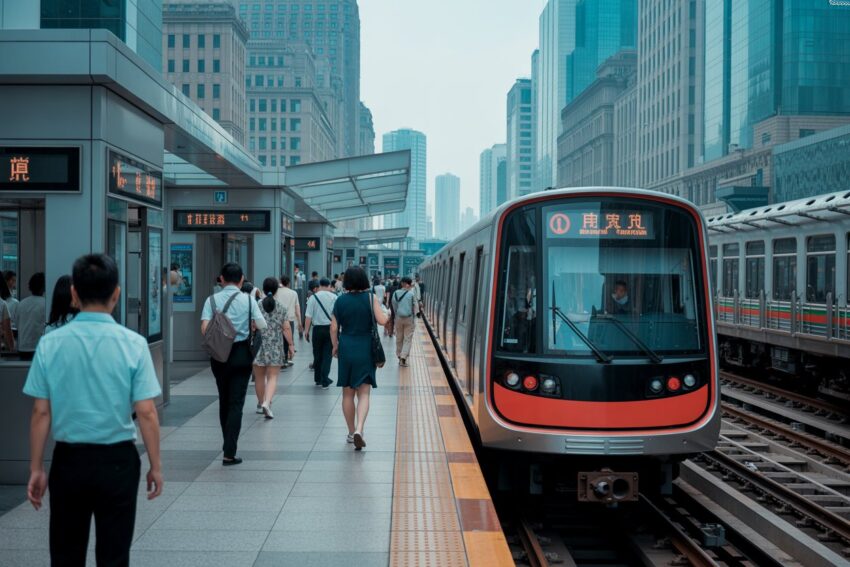
Image generated with Ai
China’s tourism sector may remain relatively stable domestically, but international travel will face pressure. Disruptions to Gulf transit routes will increase travel time and costs, reducing outbound tourism to Europe and Africa. Chinese travellers are likely to avoid conflict-affected regions entirely, shifting toward safer destinations. Inbound tourism to China may also weaken as global travel costs rise. Additionally, higher energy prices will impact manufacturing and consumer spending, indirectly affecting tourism demand.
Key Stats & Figures:
50% of oil imports via HormuzRefinery output cut by over 10%LNG prices doubled early in crisis11.7 million barrels still shippedKey Data Dashboard: Global Tourism Shock Spreads Across Economies
The ongoing Middle East crisis is no longer a regional disruption—it has evolved into a global tourism and economic shock, impacting major economies across Europe, Asia, and North America simultaneously. Countries like Germany, France, Italy, India, Japan, China, United States, and Canada are witnessing a cascading effect where rising fuel costs, disrupted aviation routes, and collapsing Gulf connectivity are reshaping tourism flows. While some European destinations are benefiting from diverted demand, the absence of high-spending Gulf travellers and surging energy costs are offsetting gains. Meanwhile, Asia faces connectivity breakdowns and inflation pressures, and North America is dealing with rising airfare and weakened international arrivals. If the crisis continues, these disruptions will deepen, fundamentally altering global tourism patterns and economic stability.NationCategoryKey Raw MetricTourism ImpactGermanyEuropean€40B GDP hit projected over 2 yearsOutbound to Gulf frozen; inbound gains from redirected European travelFranceEuropeanGas prices up ~20%; “new oil shock” warningLoss of Gulf luxury tourists; limited inbound gainsItalyEuropean€222M+ missed bookings; 52% search surgeIncreased inbound demand but lower spending per visitorIndiaAsianOil 40% higher; CAD rises 50bp per $10/bblIndia–UAE corridor collapse; outbound tourism disruptedJapanAsian95% oil dependency; 80M barrel reserve releaseHigher fares; reduced inbound European tourismChinaAsianRefining cut 10%; supply reduced ~8M barrelsGulf tourism frozen; partial oil access maintainedUnited StatesAmericanJet fuel rose to $3.99/gallonDomestic travel rise; weaker international tourismCanadaAmericanJet fuel up 58% in one weekReduced Gulf connectivity; rising airfare pressures
Canada joins US, Germany, Italy, France, Japan, China and others to face more tourism challenges and rising inflation in lifestyle costs if the Middle East crisis does not end soon due to fuel shocks and airspace disruption, driving fares up and weakening demand.
Conclusion
Canada joins US, Germany, Italy, France, Japan, China and others to face more tourism challenges and rising inflation in lifestyle costs if the Middle East crisis does not end soon—and the conclusion is clear. Fuel shocks are persistently driving up aviation and energy costs, while ongoing airspace disruption is weakening global connectivity and extending travel routes. As a result, airfares continue to rise, tourism demand is softening, and high-spending international travel is declining. At the same time, inflation in lifestyle costs is reducing consumer spending power, further suppressing travel activity. If the Middle East crisis does not end soon, these combined pressures will deepen, ensuring that Canada, the US, Germany, Italy, France, Japan, China and others continue to face prolonged tourism challenges, disrupted travel flows, and sustained economic strain across the global tourism sector.
Advertisement
Advertisement
