
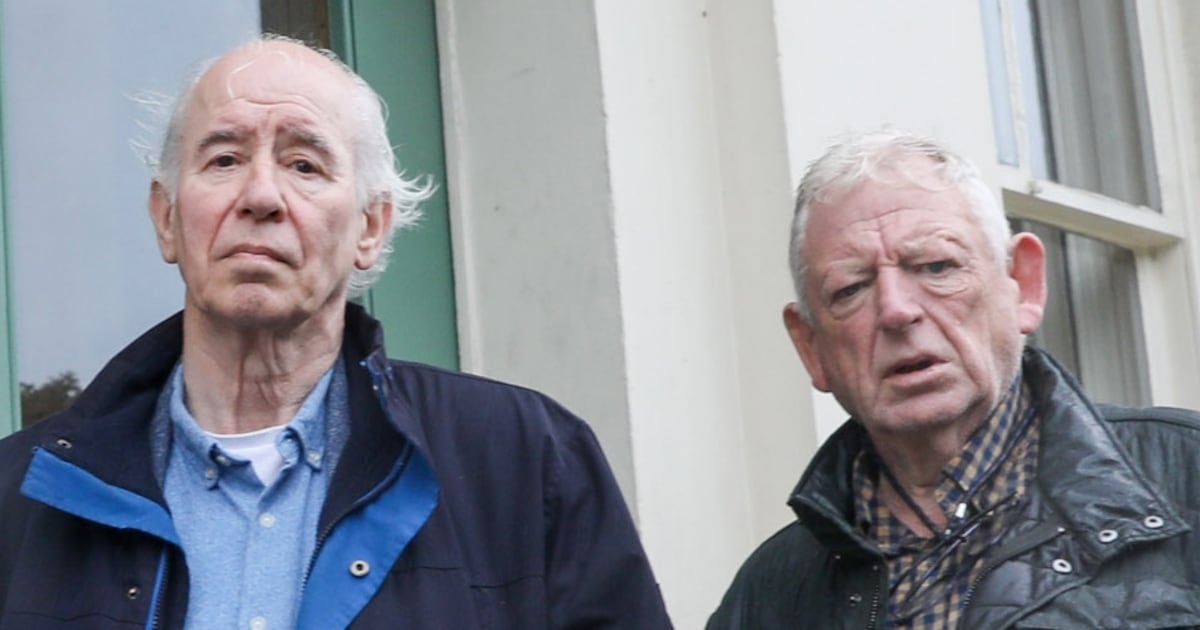
“Every time I wake, even to this day, from a nap or from a night’s sleep or whatever, for a few seconds I am in terror,” says Osgur Breatnach.
“It doesn’t last long but it’s there, that something terrible is going to happen.”
Speaking days before the 50th anniversary of the Sallins train robbery, in which an estimated £200,000 was stolen, Breatnach says he still suffers from PTSD from the case that “shattered my life”.
He was one of three men, alongside Nicky Kelly and Brian McNally, to be wrongfully convicted by the Special Criminal Court for the robbery.
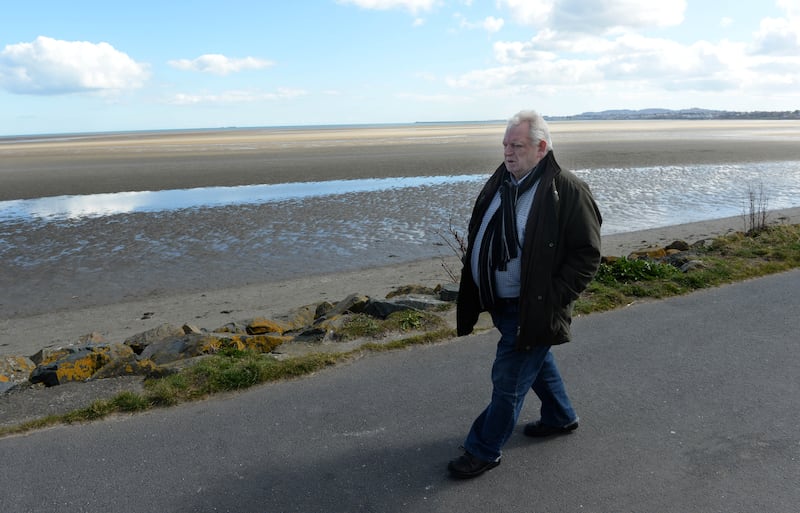 Nicky Kelly in 2016. Photograph: Eric Luke
Describing being “beaten” by detectives in a tunnel which connected Bridewell Garda station to the Four Courts, he recalls being told by them that he robbed the train.
It was at this moment he realised he was being “framed”, he says. “That’s the moment that sticks out.”
Breatnach says his career, health and personal life have been “destroyed”, and despite being falsely accused, wrongly convicted and imprisoned for two years, the “cover-up is worse than the crime”.
He is confident there will be an independent public inquiry and a State apology, though acknowledges he “may not be alive to see it”.
In its absence, Breatnach says the “trauma is still continuing every day”.
[ Sallins Train Robbery: a miscarriage of justice with no closureOpens in new window ]
The Special Criminal Court had accepted as evidence confessions made by the men, which they insisted had been beaten out of them by gardaí.
Breatnach was sentenced to 12 years’ penal servitude while McNally was sentenced to nine.
However, they were released from prison in 1980 after the appeal court quashed their convictions on the basis that their confessions had been obtained under “oppression”.
Kelly, meanwhile, was sentenced to 12 years too, though in absentia, after he fled Ireland and ultimately ended up in the US.
When the IRA ultimately claimed responsibility for the robbery in 1980, Kelly recalls that he “just wanted to get home”.
“I landed at Shannon Airport, and I thought now that the truth had come out there would be no problems. I was arrested, detained and held for four and a half years in jail for something I did not do,” he says.
“It’s a journey in life that I wouldn’t wish on anybody,” Kelly says, adding that it has “made me a worse kind of individual in some ways”.
While imprisoned, he went on hunger strike for 37 days, something that almost killed him.
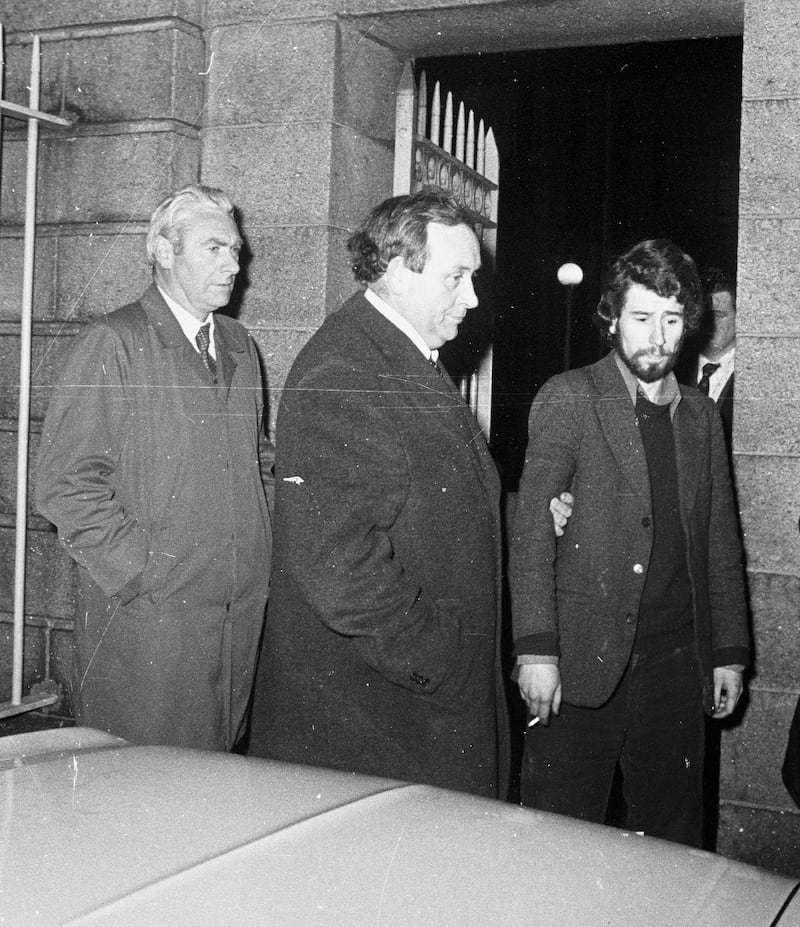 1976 – 9/4/1976 – Osgur Breatnach (right) being arrested outside the High Court, in Dublin, on April 9th, 1976. Photograph: Dermot O’Shea
Speaking from an assisted-living apartment in Dublin, where he is temporarily staying while “in and out” of hospital, he says hunger strikes “always catch up on you”.
The 75-year-old, originally from Arklow, Co Wicklow, says his fear is that he “won’t wake up in the morning and the scam of the Sallins case will have succeeded”.
“I would hate to die in a hospital bed and the cover-up having succeeded,” he says.
A benefit concert for the Sallins Inquiry Now campaign is being held in Dublin’s Vicar Street on Sunday night.
Cormac Breatnach, Osgur Breatnach’s brother, who has been assisting the campaign, notes that the three men are “still with us for the moment”.
“There are many people knocking on the Government door, but they’re not opening it. They’re not listening, and what does that say about the Government if they’re not listening to us?” he says.
A spokesman for the Department of Justice noted the overturning of Breatnach and McNally’s convictions, the presidential pardon given to Kelly in 1992, and the “subsequent payment of financial settlements”.
He added that the safeguards available at the time were “very different to those in place now”.
“Ireland now has a robust system of independent oversight of policing in addition to a human rights ethos underpinning policing practice and the Garda Code of Ethics,” he said.
Asked about ongoing calls for a public inquiry and a State apology, the spokesman said “in light of the developments since 1976 set out above”, Minister for Justice Jim O’Callaghan “is satisfied that a public inquiry in relation to these matters is not warranted”.