
The Financial Conduct Authority (FCA) has “modestly” tightened the conditions for borrowers to receive compensation, which means 12.1 million loans are eligible, down from 14.2 million last year, according to a statement it issued setting out the final shape of the compensation plan.
Lenders should now expect to pay £7.5bn in compensation, down from £8.2bn previously, and the estimated costs of running the redress scheme are now 40pc lower, the FCA said.
This means the programme is set to cost the industry £9.1bn overall, down from £11bn in the previous version.
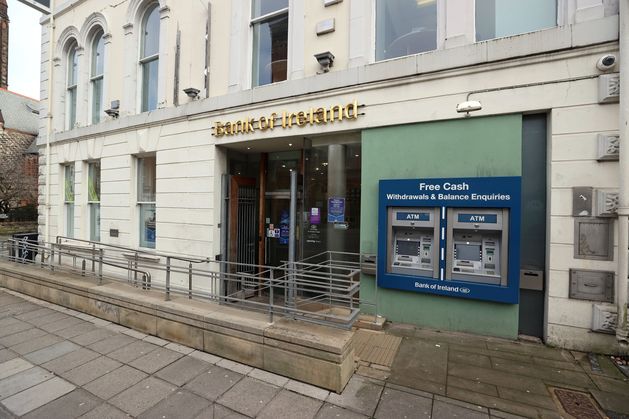
That approach will be welcomed by the firms affected, which include Bank of Ireland, as well as Lloyds, plus car firms with lending operations such as Mercedes-Benz. The industry had argued that the regulator’s proposals were too strict and failed to take proper account of a ruling last year by the UK Supreme Court.
“It’s not as bad as it could’ve been if they’d stuck their heels in,” said Gary Greenwood, an analyst at Shore Capital Group.
The programme covers car-loan agreements taken out between 2007 and 2024.
Lloyds has taken the largest known provision, at almost £2bn. Mercedes-Benz, Bank of Ireland and Barclays are among the firms to have taken nine-figure charges.
In its last comment on the car-finance issue, made last October, Bank of Ireland said it had made a provision of £143m (€167m) the previous June based on probability weighted scenarios that captured the then best estimate of the compensation to be paid.
Based on the FCA’s proposals last autumn, Bank of Ireland said it estimated the provision could increase to about £350m. This was due to the increased likelihood of a higher number of cases, as well as the construction of the proposed redress methodology and the customer engagement approach.
Bank of Ireland said it was committed to achieving a fair outcome for customers and ensuring that appropriate redress is provided where loss had occurred. “However, the group does not believe that the FCA’s proposed redress methodology reflects the actual loss to customers or achieves a proportionate outcome,” it added, stressing that it would engage with the UK’s financial watchdog on the issue.
The bank did not offer a further comment on the FCA’s revised approach on Monday, but an update is expected on Tuesday.
Under the new version of the scheme, the FCA said the average redress payment will rise slightly to £829 per customer, up from about £700 in the original plan. Operating costs have been cut due to measures such as no longer requiring banks to send letters to customers by recorded mail, according to the regulator.
The FCA said it will work with other regulators to tackle any law firms and claims management companies that treat customers unfairly, for example through high exit fees or false advertising.