
The new guidance was issued on Monday and concerns bacteria that can cause serious health complications for some people
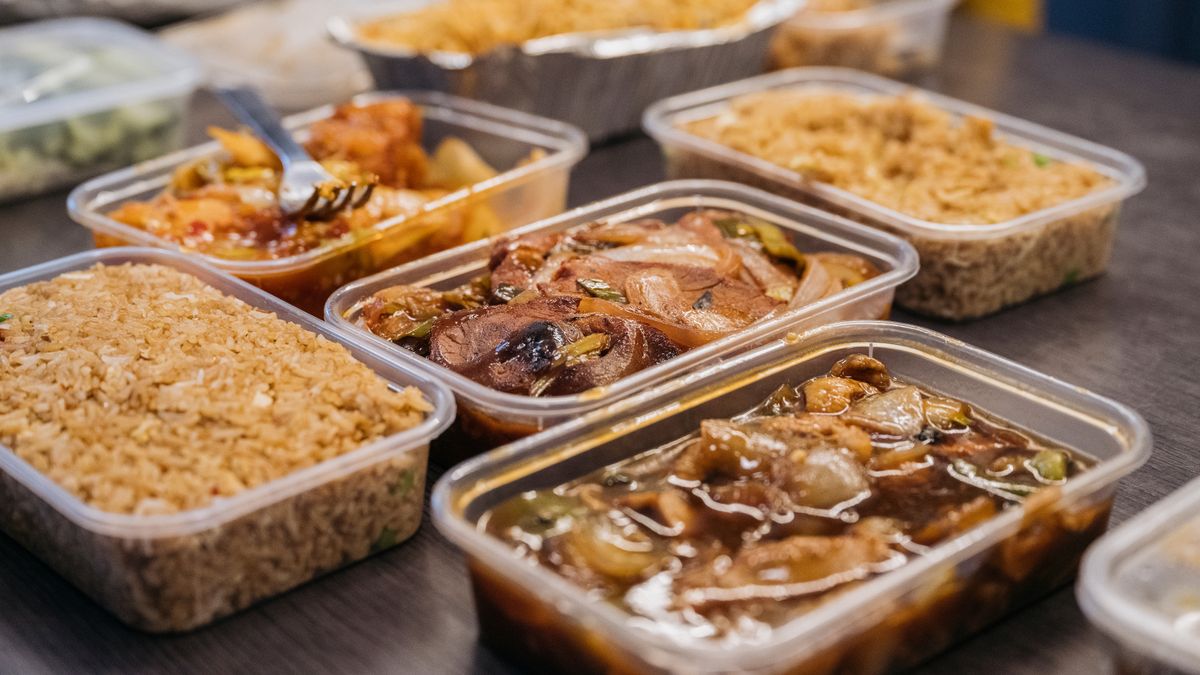
Chinese food is extremely popular in Ireland (stock image)(Image: Getty Images)
The Food Safety Authority of Ireland (FSAI) has issued urgent new advice to take aways and other businesses that prepare food across Ireland.
The new guidance was issued on Monday and concerns bacteria that can cause serious health complications for some people.
Listeria monocytogenes is the species of pathogenic bacteria that causes the infection listeriosis. Listeriosis is a rare infection that should go away on its own but it can others to be seriously ill.
The Health Service Executive (HSE) people can contract listeria from contaminated cold, cooked sliced meats and cured meats; smoked and cured fish – including in sushi; cooked shellfish; soft mould-ripened cheeses (such as camembert and brie) and blue-veined cheeses; pâté; pre-prepared sandwiches and salads; pre-cut fruit (such as pre-packed melon slices); unpasteurised milk as well as dairy products made from unpasteurised milk.
The new advice published by the FSAI is to help food businesses across Ireland strengthen their food safety management systems and better detect and control Listeria monocytogenes.
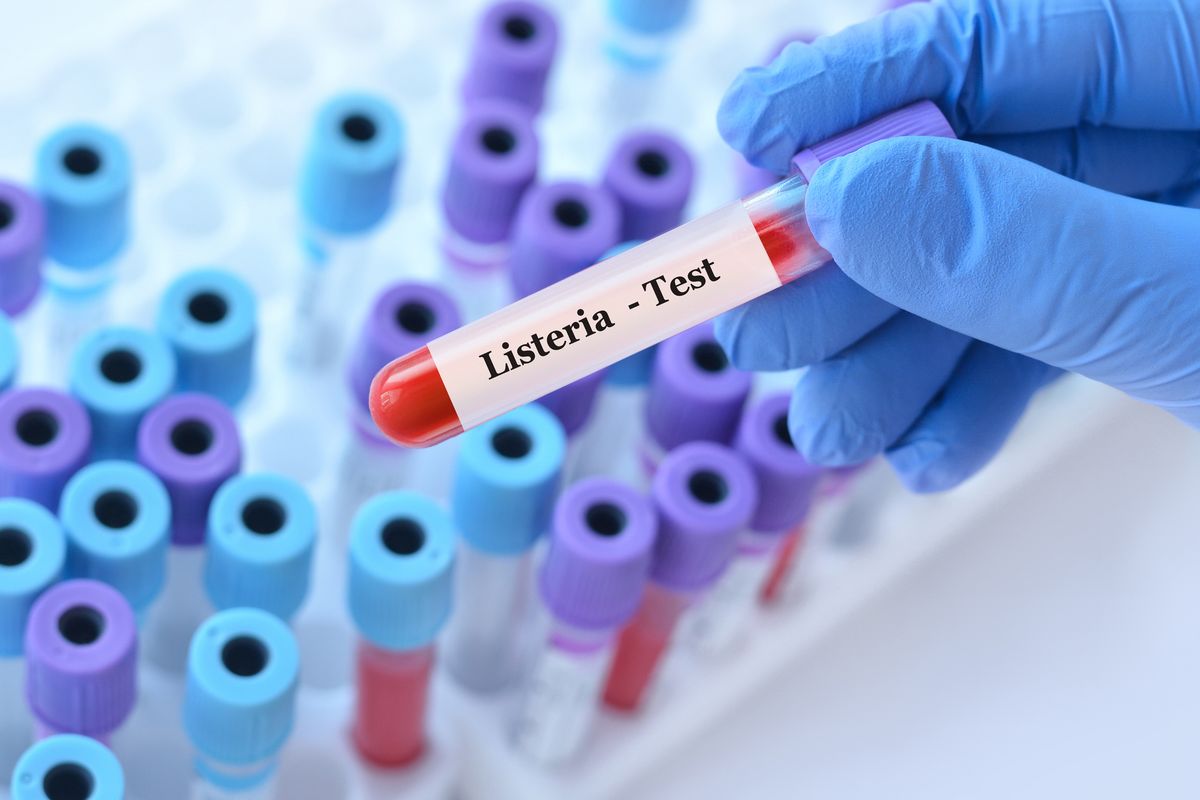
Doctor holding a test blood sample tube with Listeria bacteria test – stock photo
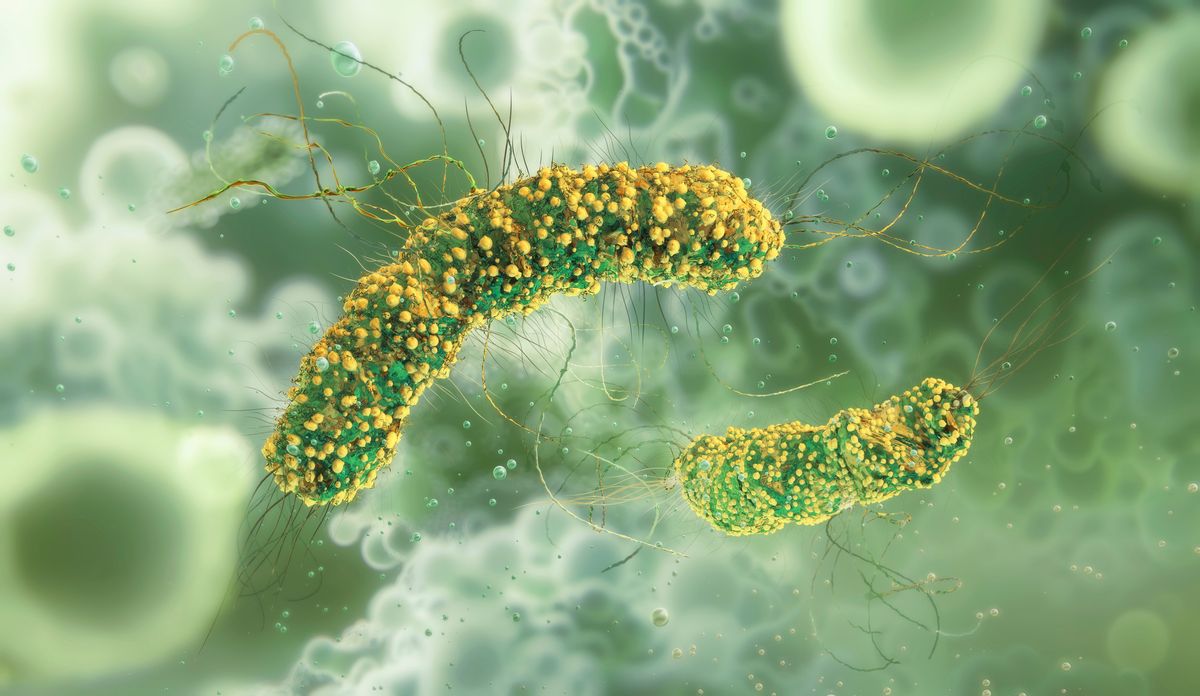
An illustration of Listeria monocytogenes bacteria. These gram-positive, rod-shaped bacteria are human pathogens causing listeriosis
The guidance was issued as part of the FSAI’s ongoing response to recent outbreaks of listeriosis, including the outbreak in Ireland in 2025 and one in the United States the same year, both linked to ready-to-heat meals. These outbreaks of listeriosis highlight the risks associated with these products, if effective food safety controls are not in place.
Ready-to-heat meals are fully cooked during manufacturing but still require thorough cooking by consumers to make them safe before consumption. Although these products are not classified as ready-to-eat foods under EU legislation, food businesses have a responsibility to ensure all food placed on the market is safe to eat. The FSAI advises that certain types of ready-to-heat meals can still pose significant risks if contaminated with Listeria monocytogenes despite carrying instructions for cooking by the consumer.
Mr Greg Dempsey, Chief Executive, FSAI, said: “Listeriosis is a rare but potentially serious infection caused by the bacterium Listeria monocytogenes, which poses a particular risk to older people, people with certain existing medical conditions, and pregnant women. It is essential that consumers ensure that they handle these ready-to-heat meals as instructed on the pack and cook them thoroughly until piping hot, and in line with manufacturer’s instructions.
“Protecting consumers from foodborne illness is a fundamental responsibility for all food businesses. This guidance highlights the importance of a proactive approach to controlling Listeria monocytogenes in ready-to-heat meals. Food businesses must consider how these products are likely to be used in practice and ensure that appropriate controls are in place throughout the production process. By strengthening food safety management systems to better control Listeria monocytogenes, there will be less reliance on adequate cooking of the product by the consumer to make these products safe. We encourage all relevant food businesses to review this guidance and implement the recommended practices.”
The new guidance reminds food businesses that Listeria monocytogenes is a hazard that must be controlled during the production of these foods. The guidance will support the safe and consistent production, storage, handling and labelling of ready-to-heat meals. It emphasises that food businesses must take account of the “reasonably foreseeable use” of these products, recognising that some consumers do not always handle or fully cook them, as required by the manufacturer’s instructions on the pack.
The FSAI states that Listeria monocytogenes can survive and persist in food processing environments and may contaminate food after cooking, if effective hygiene and environmental controls are not in place. Ready-to-heat meals containing several components e.g. meat, vegetables, are particularly vulnerable where they are assembled after cooking and exposed to the processing environment prior to final packaging. If contaminated at this stage, domestic cooking may not always be sufficient to eliminate the risk, particularly where cooking instructions are not followed.
Key recommendations include:Implementing effective hygiene and environmental monitoring programmes to detect and control Listeria monocytogenes to an appropriate levelIncorporating the concept of “reasonably foreseeable use” into HACCP-based food safety management systemsValidating shelf-life to ensure products remain safe throughout their intended useApplying clear labelling, including prominent cooking instructions and a warning on the front of pack to cook meals thoroughlyWhile not classified as ready-to-eat foods under EU legislation, they may still pose a risk if contaminated with Listeria monocytogenes above safe levels
The FSAI Guidance Note 46: Control of Listeria monocytogenes and Ensuring Food Safety in the Production of Certain Cook/Chilled Ready-To-Heat Meals, is available to download from the FSAI website.
Want to see more from the Irish Mirror? Making us your preferred source on Google means you’ll get more of our exclusives, top stories and must-read content straight away. To add Irish Mirror as a preferred source, simply click here