
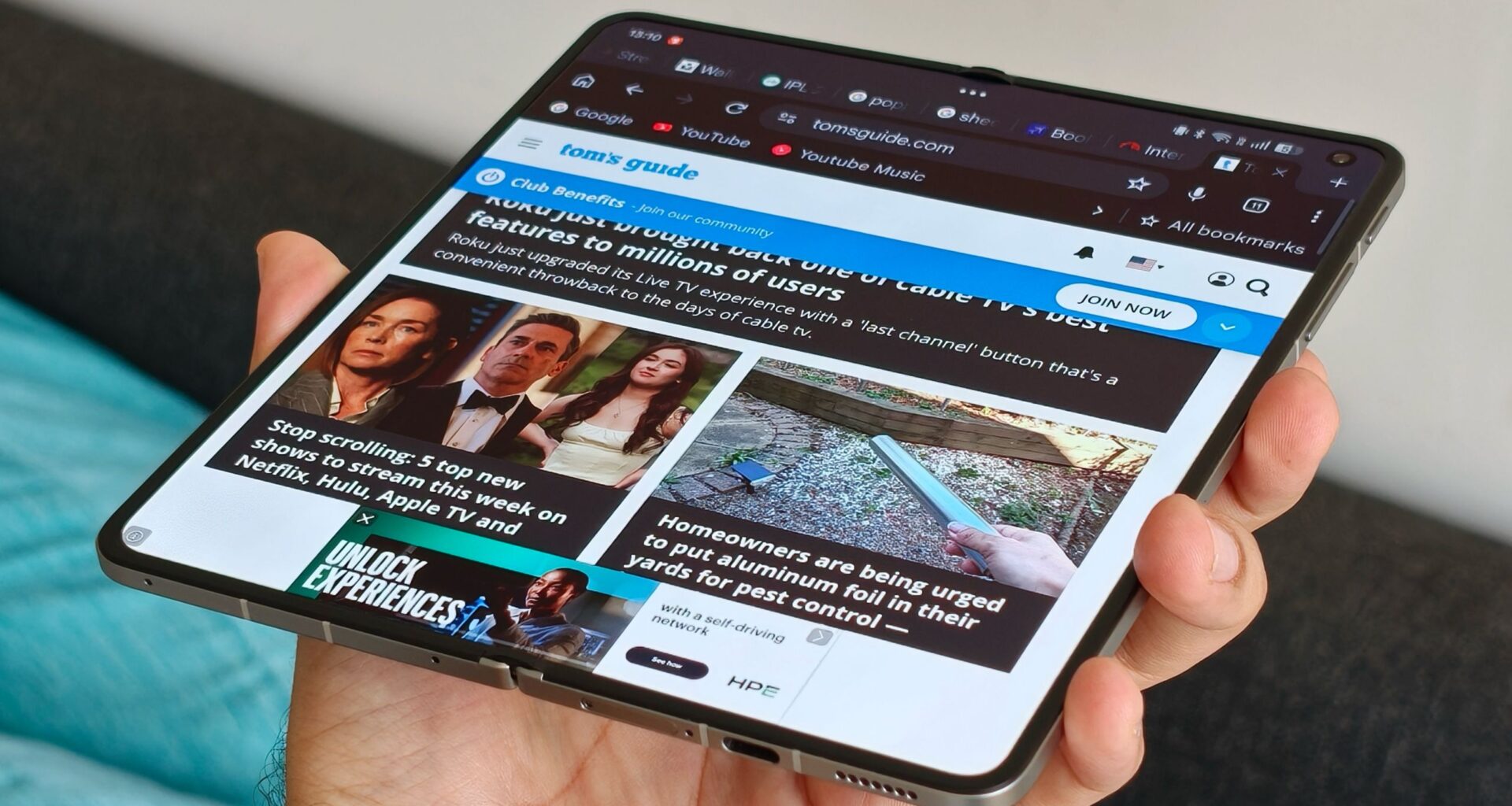
Foldable phones have been around for a while now, and while they haven’t quite become as mainstream as traditional flagship slab phones, the category does feel like it’s hitting a bit of a saturation point.
Sure, the Galaxy Z Fold 7 is wider and impressively thinner, and the Pixel 10 Pro Fold is among the most durable foldables out there, but there hasn’t been much meaningful innovation lately. That was the case, at least, until I tried Oppo’s new Find N6.
Article continues below
You may like
Oppo Find N6 is unlike any other foldable phone I’ve ever used
(Image credit: Sanuj Bhatia / Tom’s Guide)
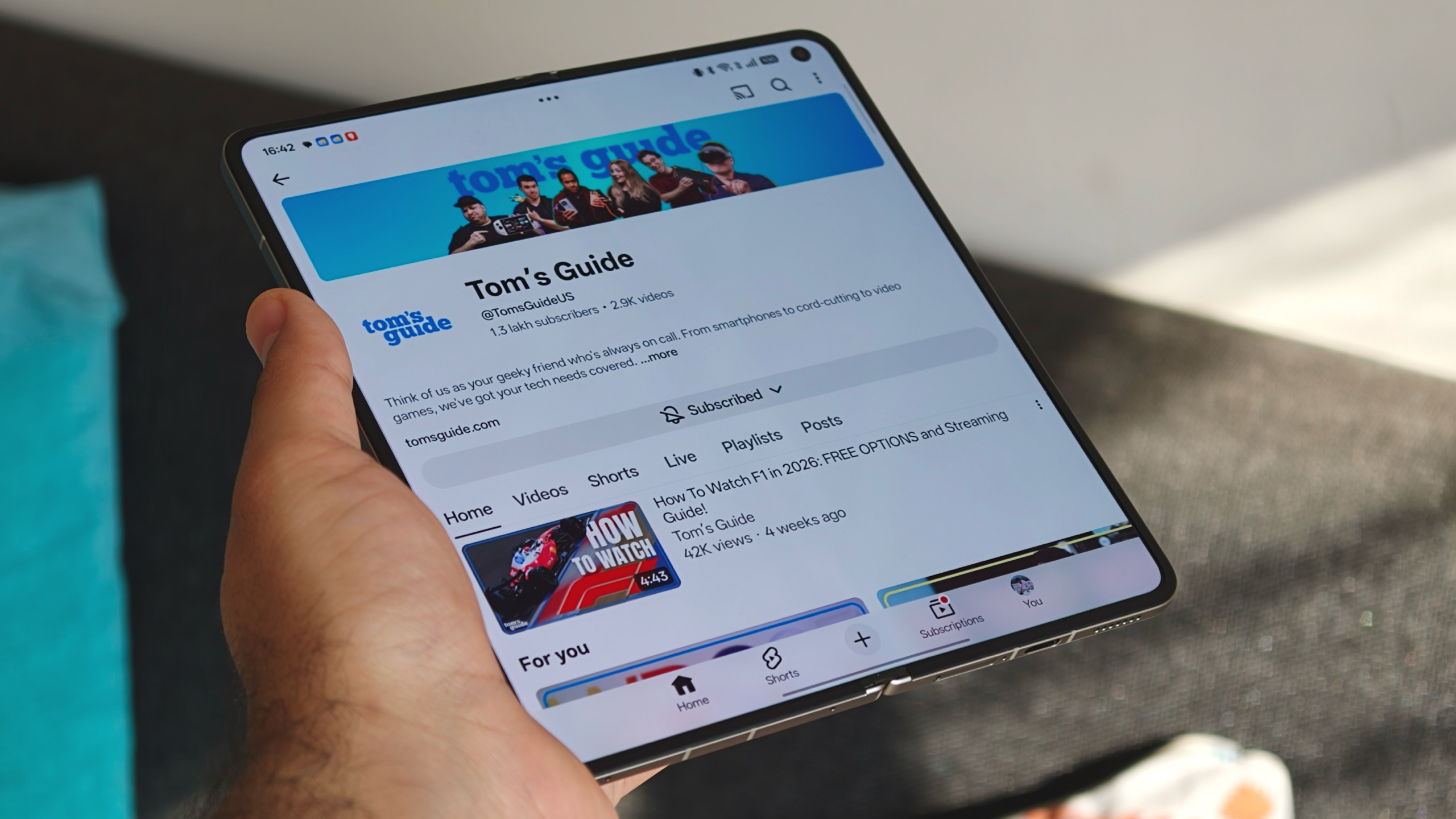
I’ve used plenty of foldable phones in the past. I’ve tested multiple Galaxy Z Fold devices from Samsung, tried the Pixel 9 Pro Fold, and even used Chinese flagship foldables like the Honor Magic V5 and Oppo’s previous Find N5. But there has always been one issue that kept bothering me, and that is the crease running down the middle of the inner foldable display.
Sure, you don’t notice it all the time, but every now and then, when you swipe across the center while gaming or when light hits the display at certain angles, the crease becomes noticeable. And as someone who’s paying a premium price for a foldable phone, that doesn’t feel great.
(Image credit: Sanuj Bhatia / Tom’s Guide)
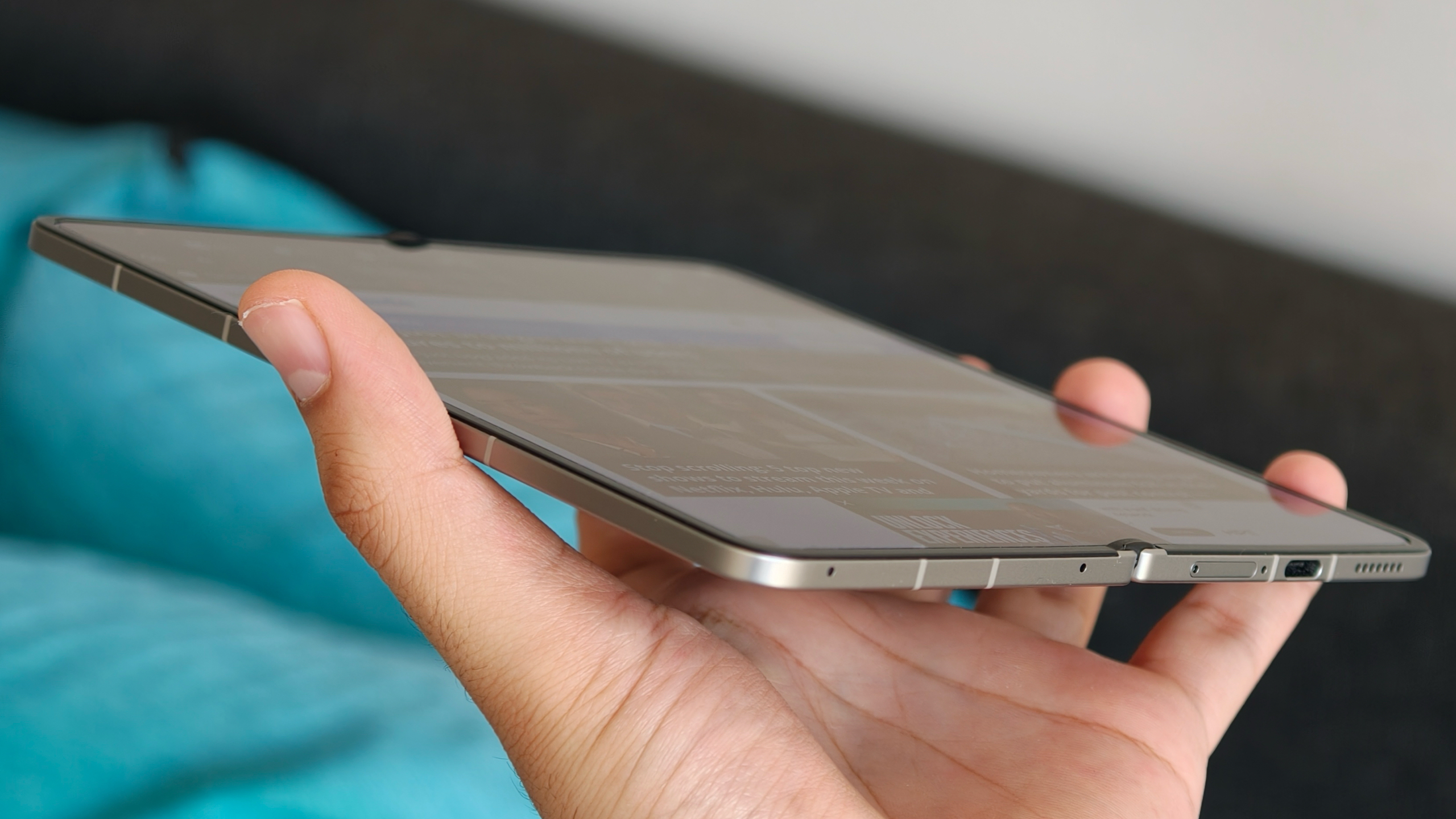
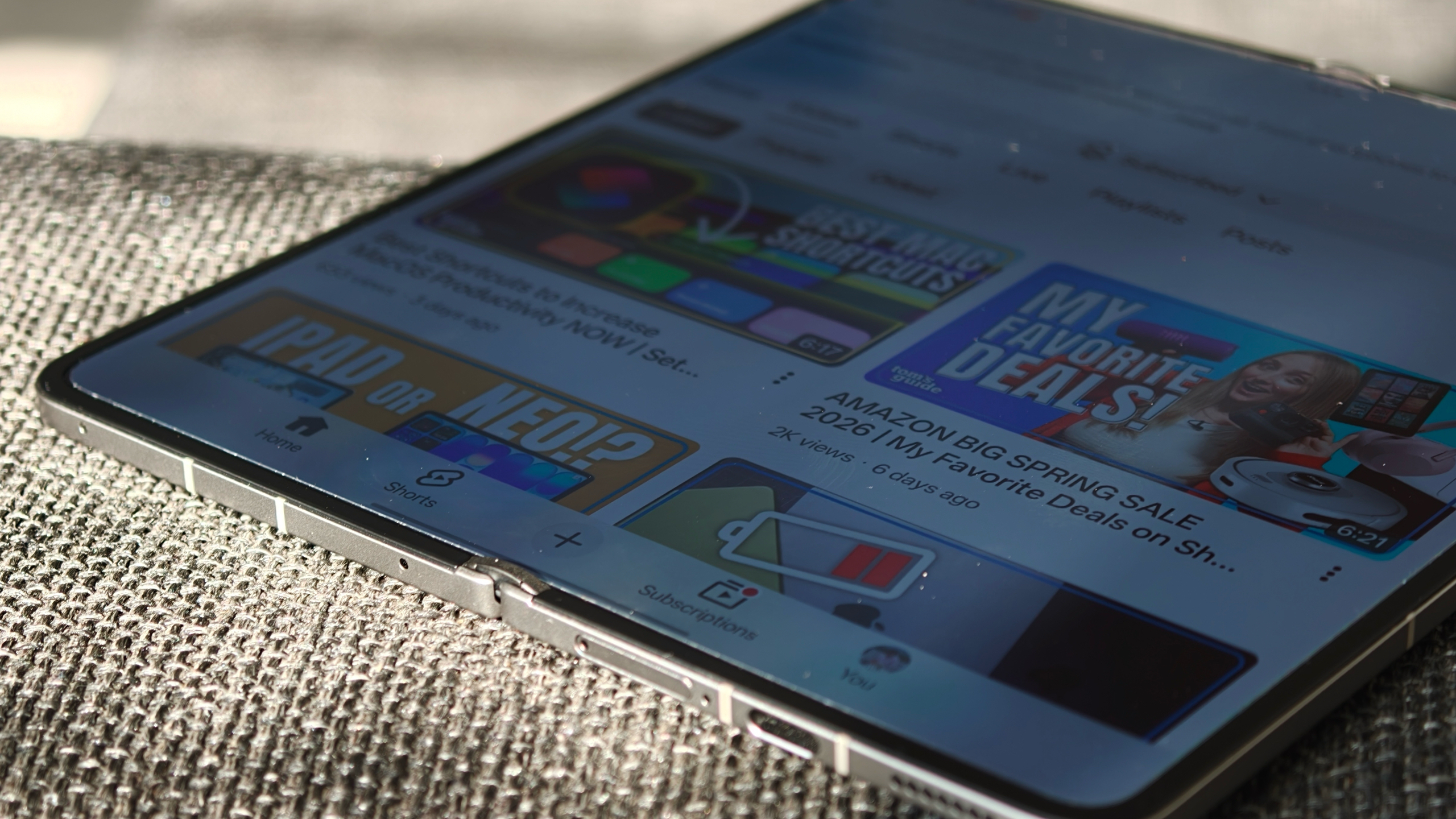
The Oppo Find N6 is the first foldable that aims to genuinely fix this. The company has re-engineered the hinge and display to achieve a surface variation of just 0.05mm, which is essentially the dip your finger feels when moving across the screen, and it’s practically impossible to notice. Having used this phone for a while, even when you run your finger across the screen, the crease is barely noticeable.
Oppo says it had to redesign the entire hinge system to achieve this near-zero-crease result. It laser scans each titanium hinge part to map even the smallest surface variations. It then uses that data to 3D-print a liquid polymer that fills micro-gaps in the hinge.
Combine that with its Auto-Smoothing Flex Glass that prevents long-term deformation, and you get a display that stays nearly crease-free over time. The company claims it’s been tested for up to 600,000 folds, which is on par with other foldables.
(Image credit: Sanuj Bhatia / Tom’s Guide)
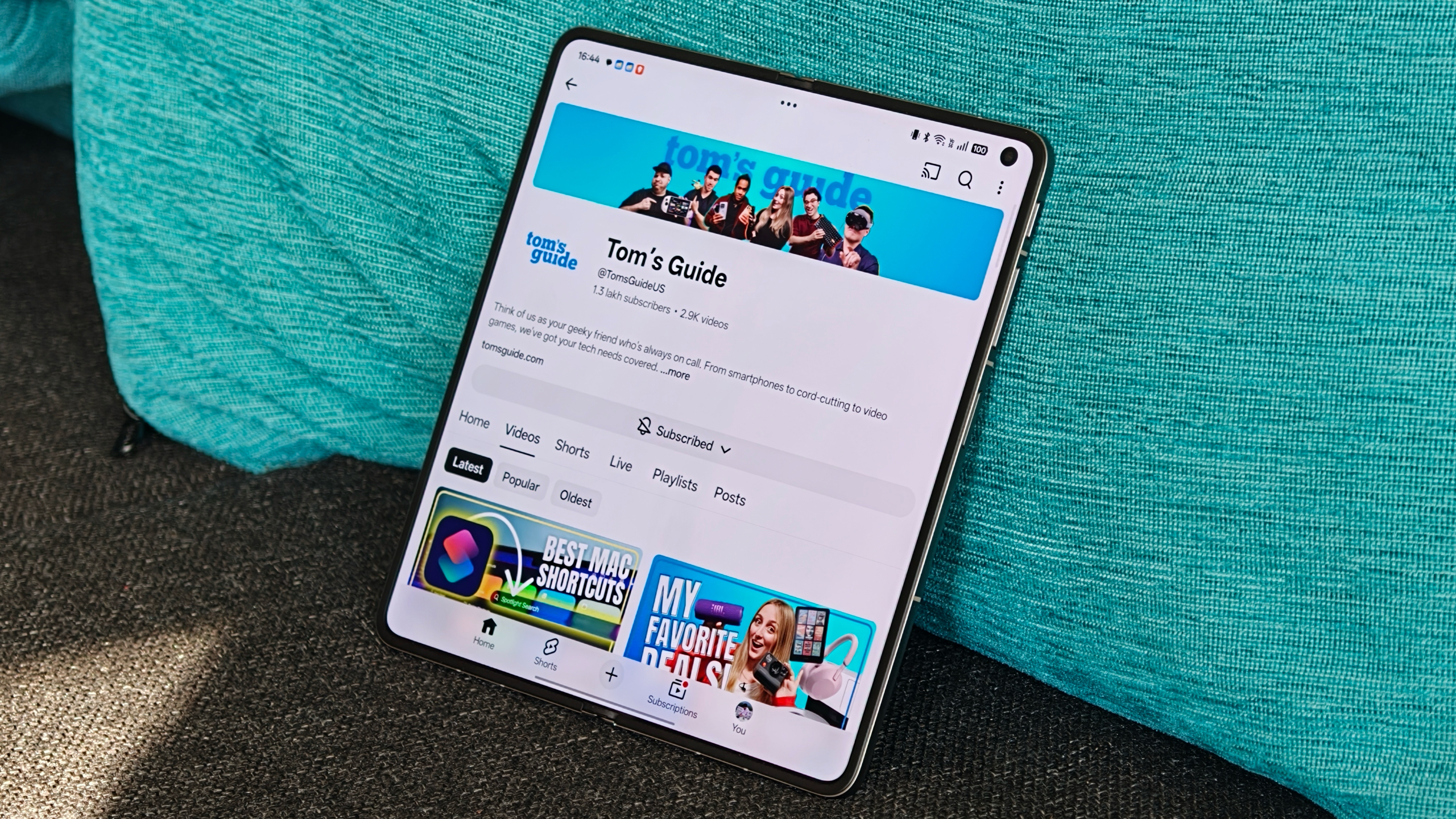
In real use, the result is a foldable that feels almost crease-free. Most of the time, you won’t see or feel the crease at all, but the moment you put it next to any other foldable, the difference is immediately noticeable.
The rest of the Find N6 is just as impressive. Whether it’s packing a massive 6000mAh battery into a slim sub-9mm body, using the powerful Snapdragon 8 Elite Gen 5 processor, or even supporting stylus input while others have dropped it in the name of thinness, there’s a lot to like here.
What to read next
But after using it, the thing that truly stands out is the inner display and how well Oppo has handled the crease.
If Apple can replicate this on the iPhone Fold, it’ll be a winner
(Image credit: Sanuj Bhatia / Tom’s Guide)
One brand that is finally set to enter the foldable phone market, and the one everyone has been waiting for, is Apple. After nearly seven years since foldables first went mainstream, Apple is expected to launch its first foldable iPhone (or iPhone Fold as the rumor cycle currently calls it) in 2026, alongside the rumored iPhone 18 series.
Apple doesn’t usually rush into new form factors until it feels the technology is “ready,” and most of the time this technique has worked out for the brand. The company was late in adopting USB-C, always-on display, and even 120Hz refresh rate displays on the iPhone. This year finally feels like Apple is ready to enter the foldable space.
(Image credit: Future)
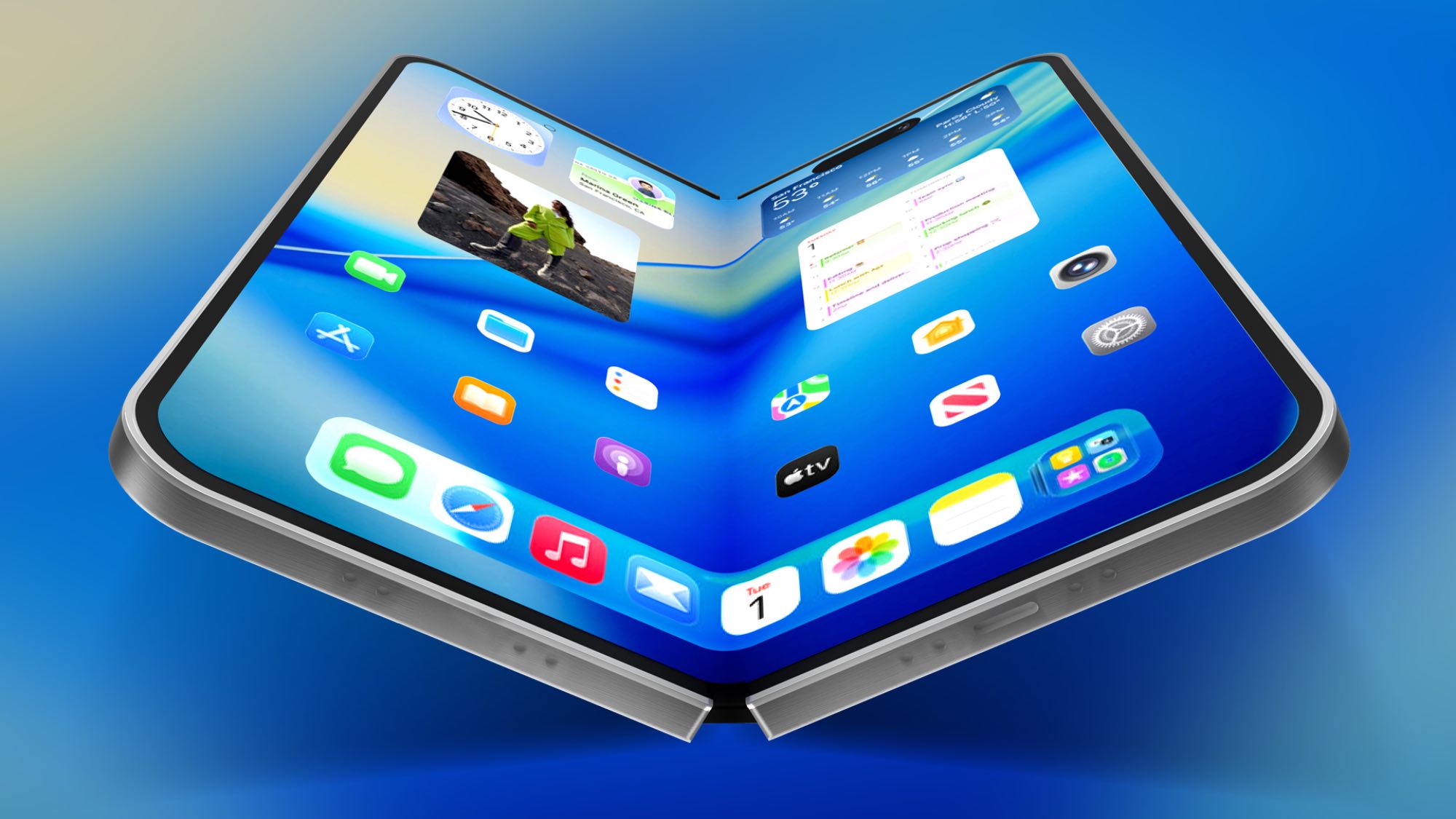
And this is exactly where something like the Oppo Find N6 becomes relevant. If Apple can replicate a near crease-free display like this, the iPhone Fold could instantly match or even surpass current Android foldables in its very first attempt.
There are already reports suggesting that Apple has been working aggressively on reducing the crease, even prioritizing eliminating it “regardless of the price.” The company is also rumored to be using a new display stack (ironically developed by Samsung Display) with integrated touch sensors, which could help reduce thickness and improve durability.

(Image credit: Sanuj Bhatia / Tom’s Guide)
Reports suggest that the iPhone Fold may achieve a crease depth of under 0.15mm. That is impressive, but the Find N6 has already shown that even lower levels are possible.
That said, using the Find N6 has made me hopeful about the iPhone Fold, especially since Apple is reportedly taking a different approach to the form factor. The iPhone Fold is said to be less tall and much wider, unfolding into something closer to a true iPad mini-sized tablet.
One thing I’ve always complained about with Android foldables is that they often open into a squarish display that doesn’t quite deliver a proper tablet-like experience, but Apple seems to be working on a different solution here. Combined with the (almost) crease-less display, I can’t wait to see what Cupertino has in store this fall.

Follow Tom’s Guide on Google News and add us as a preferred source to get our up-to-date news, analysis, and reviews in your feeds.
More from Tom’s Guide