
An EU energy official said that “energy prices will be higher for a very long time” and that “countries need to be sure they have what they need”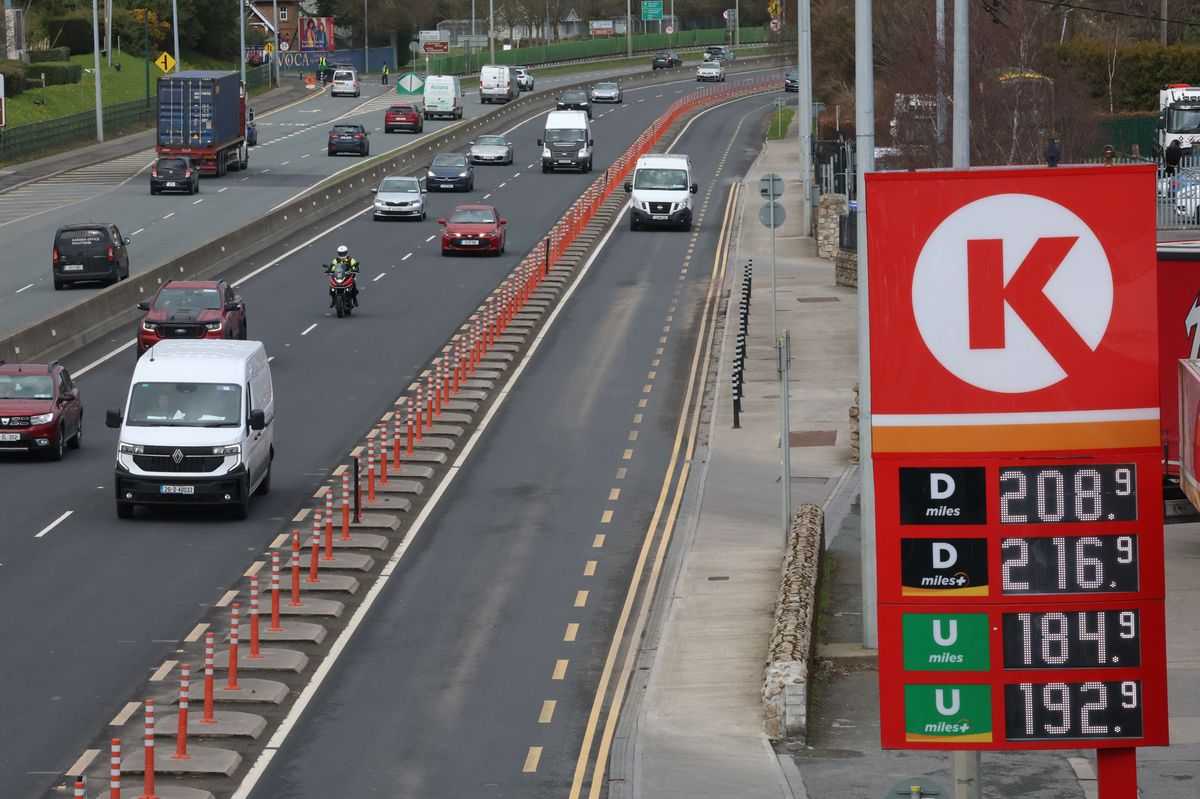
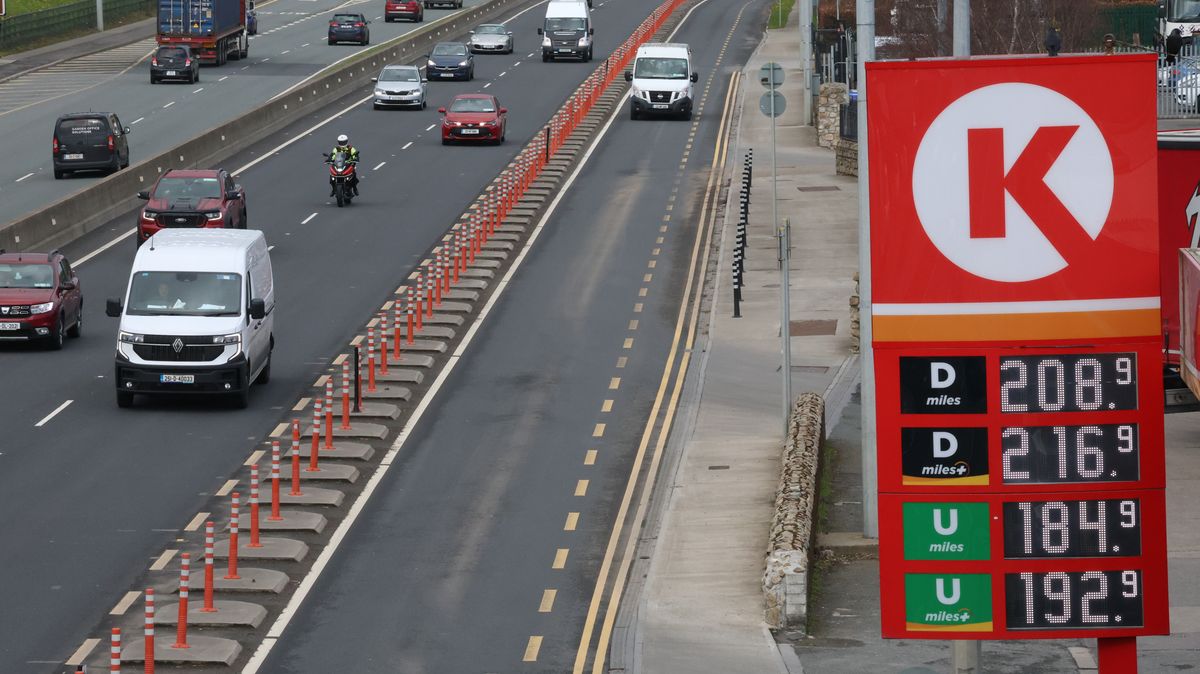
Fuel prices have risen amid conflict in the Middle East and a top EU official expects the situation to be “even worse in the weeks to come”(Image: Stephen Collins/Collins Photos)
A top EU official has said that the bloc is currently looking into “all possibilities”, including fuel rationing, as the war with Iran plunges the world into a deeper crisis.
Dan Jorgensen, a Danish native and the EU Commissioner for Energy and Housing, said the EU is examining “all possibilities” as it prepares for a “long-lasting” energy blow from Iran blocking a huge chunk of the global supply.
Prices for all types of fuel, including petrol, diesel and jet fuel, have risen since the start of the Middle East war but Jorgensen revealed when the situation could soon start to deteriorate further, reports The Mirror.
Jorgensen said: “This will be a long crisis… energy prices will be higher for a very long time.” He added that “we expect it to be even worse in the weeks to come” and said that “countries need to be sure they have what they need”.
Speaking to the Financial Times, Jorgensen said the fuel situation was quickly worsening and revealed the bloc was looking at plans to control the crisis. The official said these possibilities included fuel rationing but also releasing more oil from the EU’s emergency reserves.
Jorgensen also warned that the current crisis could last a long time, saying: “It certainly is our analysis that this will be a prolonged situation and countries need to be sure that they… have what they need.”
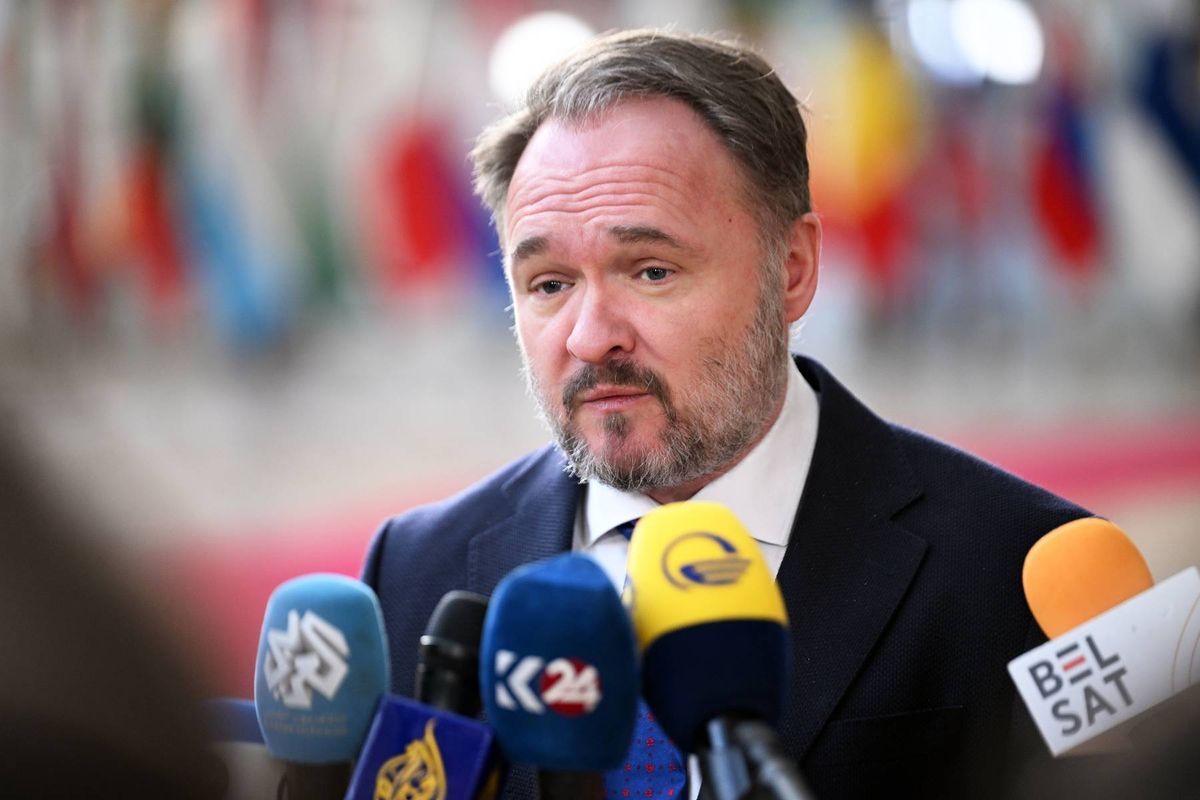
Dan Jorgensen(Image: Anadolu via Getty Images)
He added that the EU was not currently in a fuel supply crisis but Brussels was planning for “structural, long-lasting effects” that could hit the bloc due to the ongoing conflict in the Middle East. He added: “I mean, better to be prepared than to be sorry.”
Why has the cost of fuel shot up?
In retaliation against US and Israeli strikes, Iran has hit back at neighbouring countries with cheap drone attacks and by effectively blocking the Strait of Hormuz. Around 20 per cent of the world’s oil and liquefied natural gas typically pass through the tight waterway.
Iran has bombed and blown up some tankers in the waterway, which has been enough to instil fear in captains, companies and insurers to keep their crucial vessels out of the Strait of Hormuz.
The pause in the vital global shipping lane has sent prices shooting up amid lower supply. For example, the price of a barrel of oil surged past $109 on Thursday, which is a huge rise from the price before the war, which was around $70 for a barrel.
Drive more slowly
Last month, the crisis prompted the International Energy Agency (IEA) to urge people to take “immediate actions to reduce demand” – including driving more slowly.
The IEA released a set of 10 recommendations for governments, businesses and households, that could be adopted to “alleviate the economic impacts on consumers of the disruptions to oil markets stemming from the war in the Middle East”.
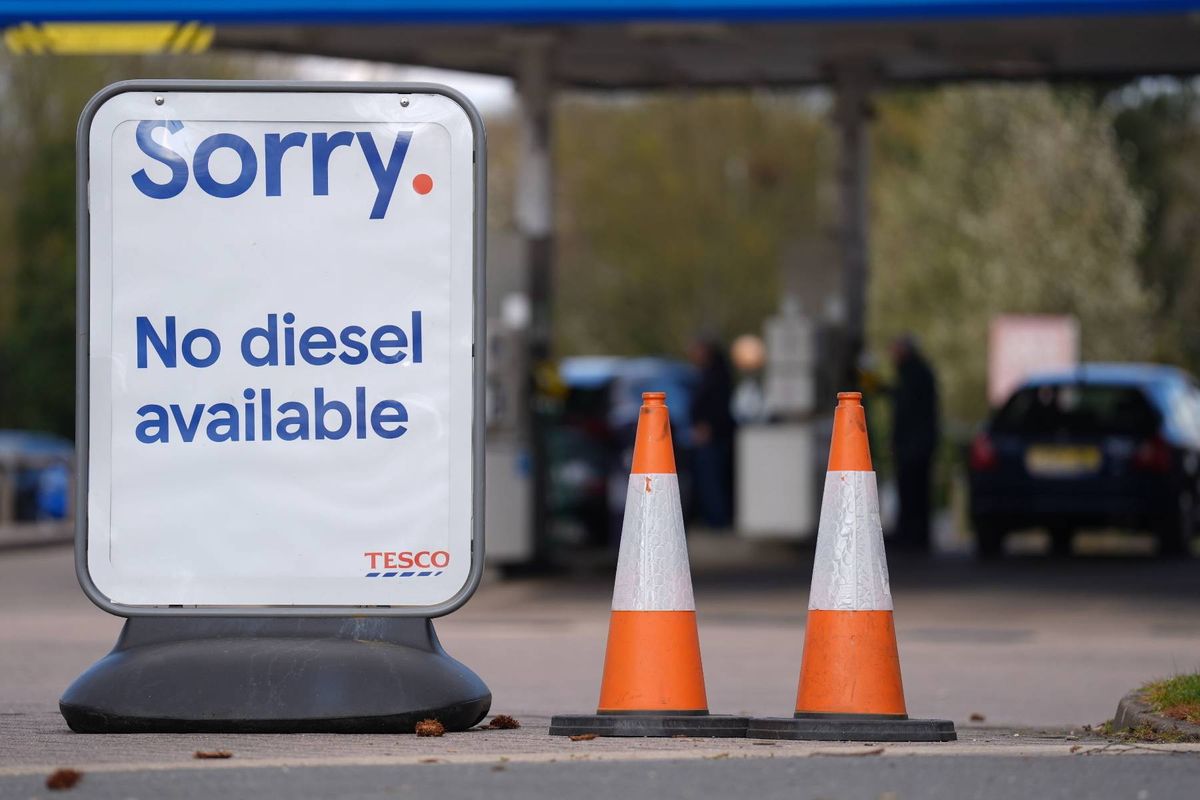
No diesel available sign at a Tesco petrol station(Image: PA)
Those guidance notes include working from home “where possible”, encouraging public over private travel, and avoiding air travel “where alternative options exist”, along with “higher car occupancy and eco-driving” – travelling at a slower speed – to “lower fuel consumption quickly”.
Want to see more from the Irish Mirror? Making us your preferred source on Google means you’ll get more of our exclusives, top stories and must-read content straight away. To add Irish Mirror as a preferred source, simply click here.