
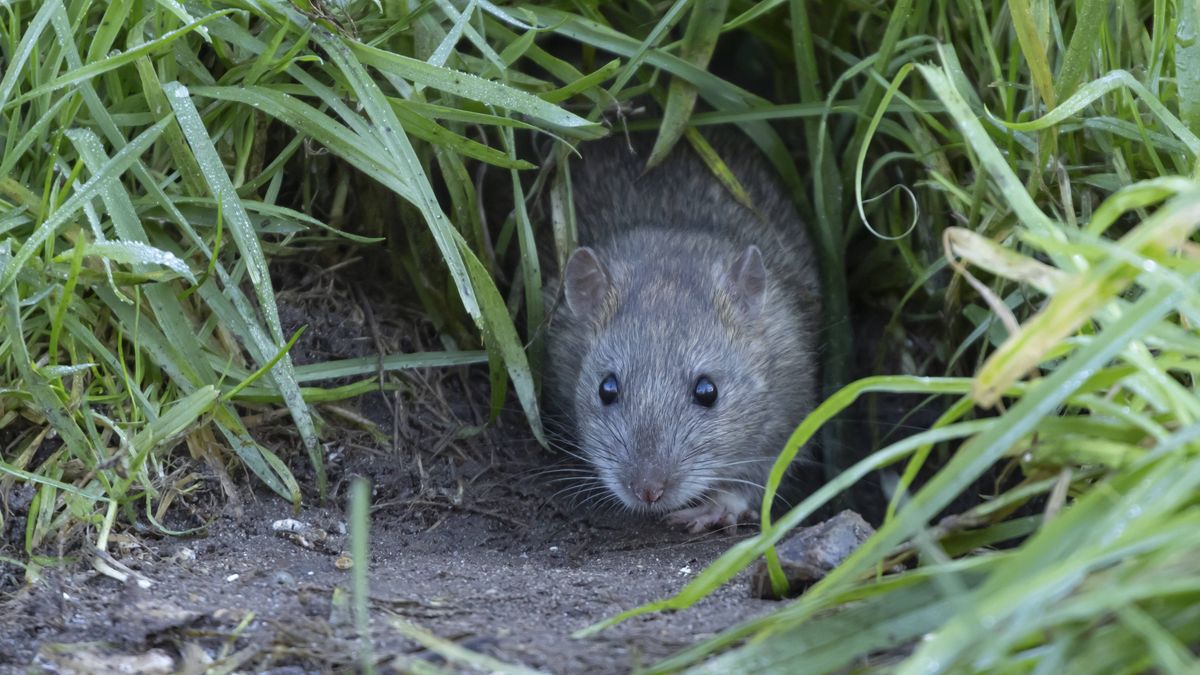
Spring is the prime breeding season for rodents, but there are easy ways to make your outdoor space less attractive to them
Mia O’Hare Senior Spare Time Reporter
12:46, 03 Apr 2026
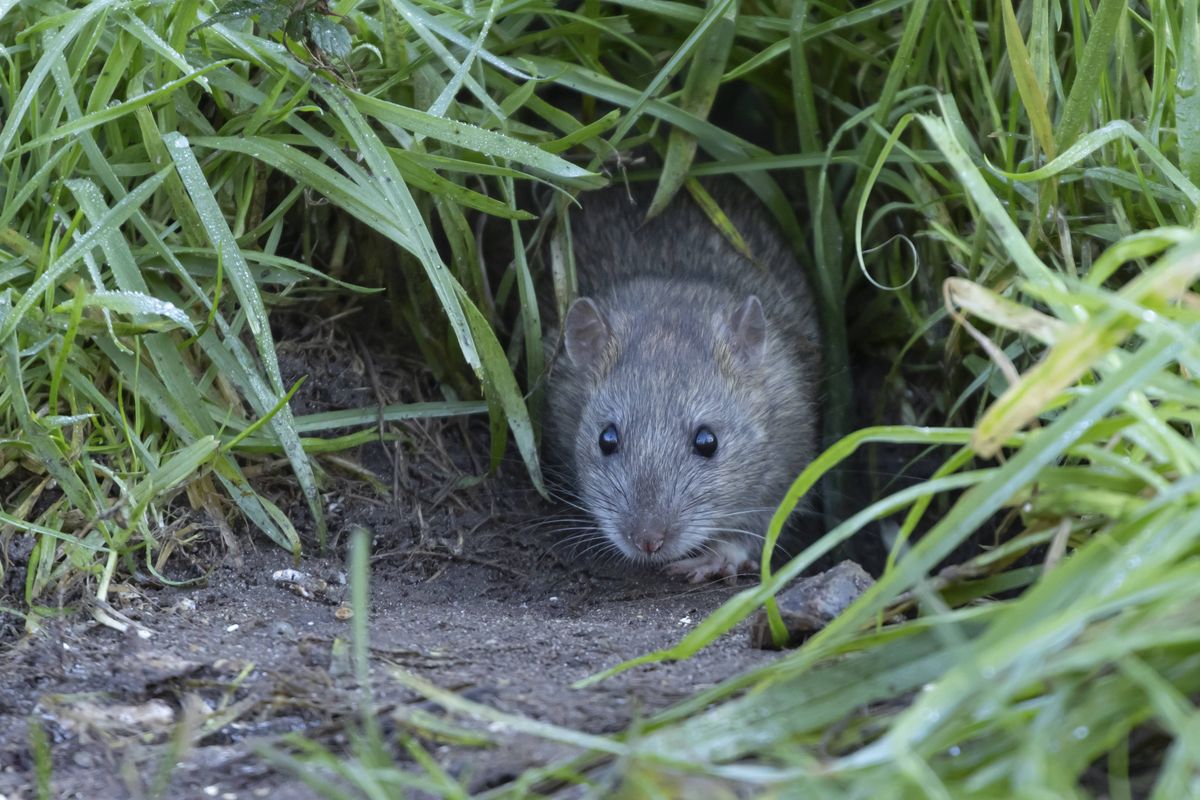
Rats are drawn to one area of the garden the most(Image: imageBROKER/Kevin Sawford via Getty Images)
Alan Titchmarsh has shared his two straightforward changes every gardener should make to keep rats at bay. Rats are a widespread nuisance in gardens, particularly now that spring has arrived.
As the weather improves, many households wish to spend more time outside. Nevertheless, spring marks the peak breeding season for rats and mice.
They’re on the hunt for shelter and are hungry. Rats know our gardens as a treasure trove for food and perfect nesting locations, even more so if you’ve got a compost heap.
Gardening expert Alan said in a video for BBC Gardeners’ World Magazine: “The place they love more than anywhere else in the garden is the compost heap. Mainly because of the heat generated by all this rotting vegetation.
“They can burrow into it, and they’ve got a central-heated house.” Alan clarified that there are two changes you can make to the compost heap far less appealing to rats, reports the Mirror.
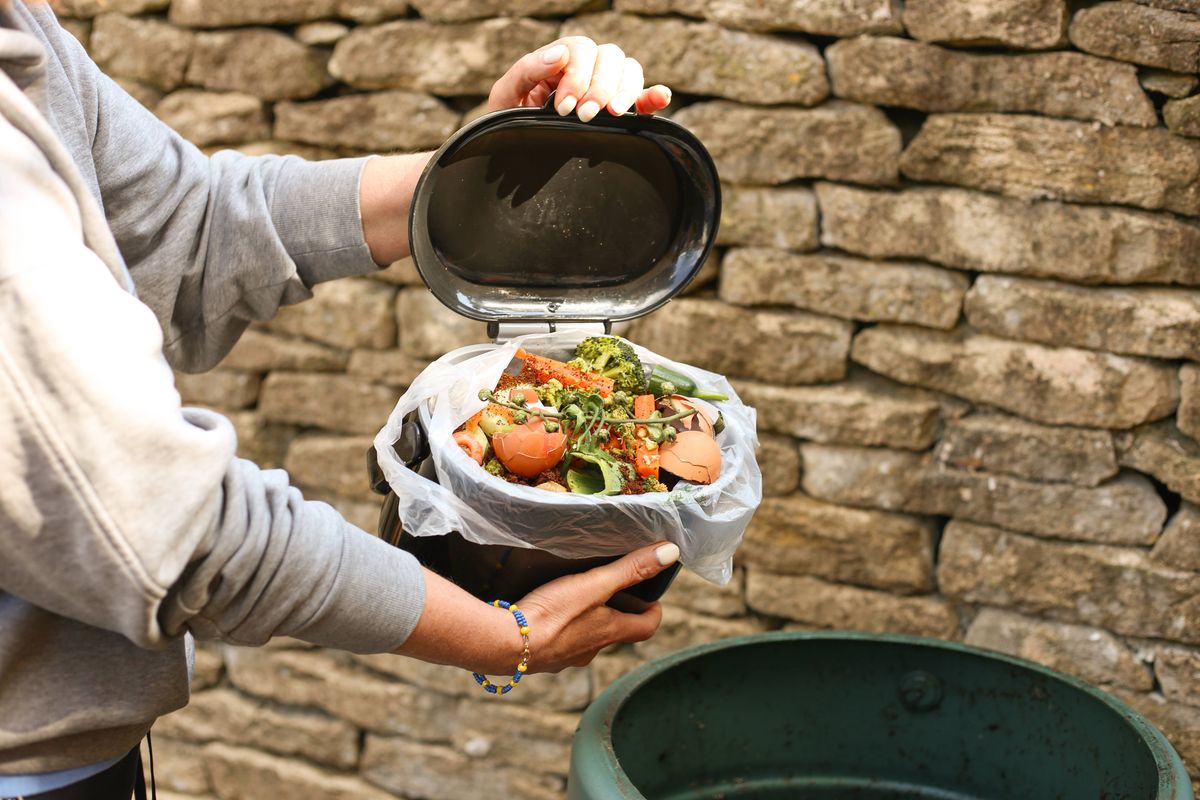
Compost heaps can attract rats(Image: Iuliia Bondar via Getty Images)
He explained you need to make life “less comfortable” for the rats. To achieve this, Alan said you must begin with the compost heap itself.
It should be solidly constructed with few gaps. Alan’s own compost heap is constructed from solid timber with steel sheeting lining.
He said: “Hopefully that goes right down to the ground. They can burrow underneath it, but I am really reducing their ability to get in with ease. That’s a start, make the heap with good, strong sides.”
Alan’s other tip is about what goes into the compost heap. “Don’t put processed food, anything you have cooked, any meat, any potatoes,” he urged.
“Don’t do that because it’s just an absolute open invitation for rats.” Instead, Alan recommends placing mouldy apples in the heap, along with any green garden cuttings, as they decompose rapidly.
Content cannot be displayed without consent
He noted that lawn mowing clippings can also be added to the compost heap, but emphasised the importance of thoroughly mixing all compost materials.
The compost heap isn’t the only garden feature that can draw in rats. Alan previously revealed how bird feeders can also lure rats into your garden.
Alan said: “Most gardeners, myself included, love encouraging garden birds, so bird feeders are everywhere in this garden. But, they can also be a magnet for rats.”
To prevent this, Alan advised moving the bird feeder to the centre of your lawn, as rats are reluctant to scurry across open, exposed areas. It’s also worth keeping feeders well away from bushes, hedges or walls.