
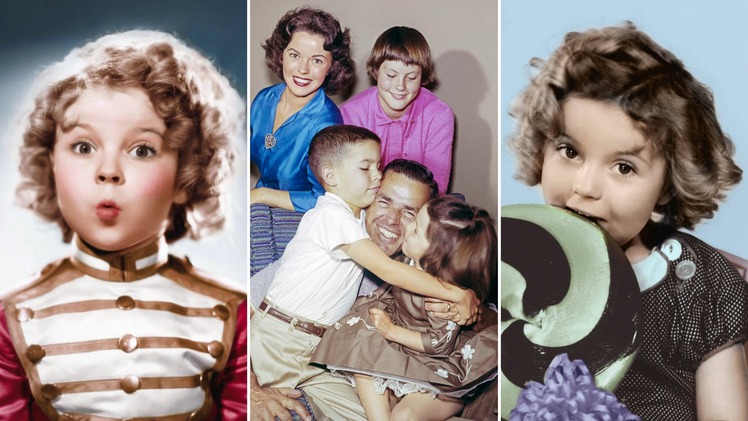
In 1934’s Bright Eyes, a pint-size Shirley Temple sang “On the Good Ship Lollipop,” praising all sorts of sweet confections. Her tastes through the years, though, grew more sophisticated. “One night we were waiting in line to get drinks and I said, ‘You’re obviously not drinking a Shirley Temple,’ ” her longtime friend Barry Barsamian, who met Shirley in 1996 when she was 68, recalled to Closer. “She looked up and said, ‘No! I’m having a Black Russian with vodka. I’ll call it a Shirley Temple Black!’ ”
The star of Depression-era films such as Wee Willie Winkie and The Little Princess, it turned out, hated the mocktail named in her honor. “She told me if you drink them you’d get diabetes because of all of the sugar,” Barry added of his friend, who left show business behind in her 20s and worked in international government relations later in life. She detailed that unique and surprising career path in Child Star, her 1988 autobiography, along with stories about being a mom to three kids.
Getty Images
Now, her son, Charles Black Jr., says that his mother had secretly written more intimately personal memories to share with her fans. “Before her death she had completed the second volume of her autobiography,” Charles told Closer of the secret tell-all, which has never been published. “She’d always tell me to call her around 10 a.m., after she’d had her breakfast. She said she was penning part two of Child Star, so we’d chat at 10 and then she’d get into her writing for a couple of hours. She did it every day.”
Private Thoughts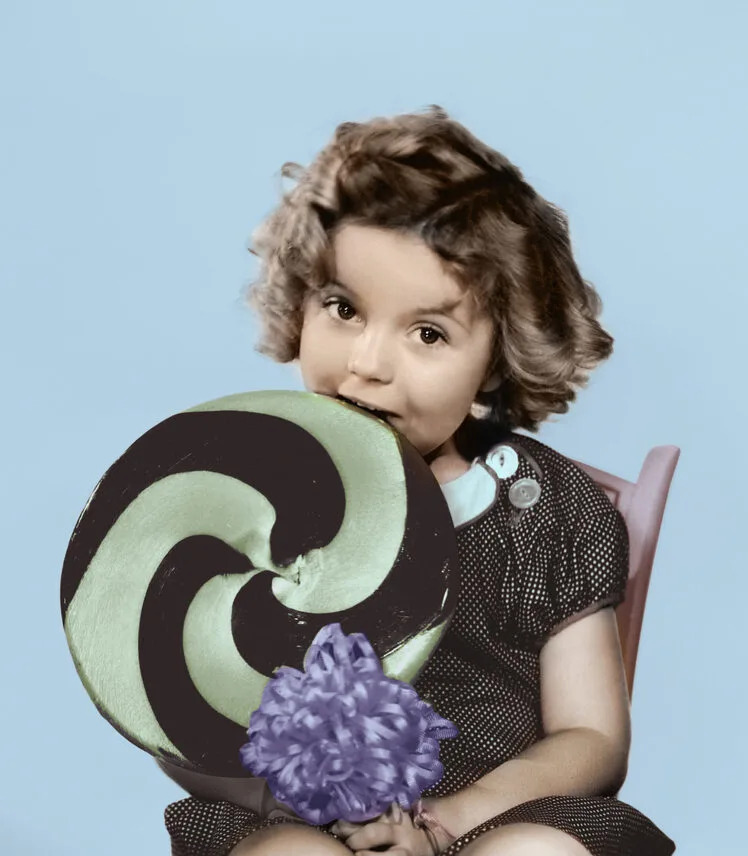
Getty Images
Some secrets Shirley shared with her friend Barry were for his ears only. “She’d say, ‘I want you to feel honored, because I don’t really talk about little Shirley with anyone except you and Michael Jackson,’ ” Barry recalled. “Evidently, Michael was a huge admirer, and she said there was a blown-up picture of her in his bedroom, which she thought was unusual, to say the least!”
Getty Images
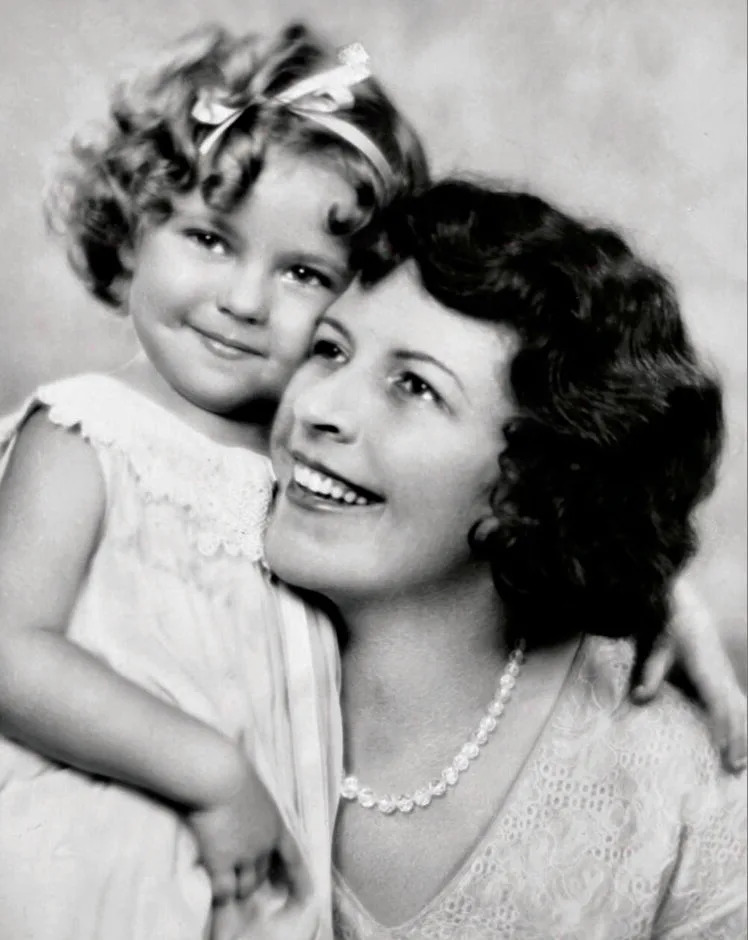
As a former child star himself, Michael no doubt related to the unique struggles Shirley faced. Born after two older brothers, Shirley was groomed by her mother, Gertrude, to be a star from day one. “When Shirley was in her crib, Gertrude would say, ‘Sparkle, Shirley!’ and Shirley would sparkle!” Marilyn Granas, Shirley’s first film stand-in, told Closer. “She was a brilliant child — extremely bright and very talented.”
Still, Shirley was subjected to traumatic conditions on set. Sometimes, when separated from Gertrude by a producer on a film, she was placed all alone in a freezing-cold box. “Being a starlet was difficult, and I was a starlet from 3-and-a-half to 5 years of age,” Shirley once shared, recalling the incident that involved other kids her age, via BBC. “When any of us misbehaved we were sent one by one into the black box to cool off,” Shirley said, describing a sound box that held a big block of ice. “[I was] in the dark with the door closed. I got a lot of earaches, styes, a lot of problems from it. The lesson was time is money. And it’s work, not play.”
In the 1930s, kidnapping threats also plagued the young actress.
“Shirley became aware of some of the plots against her, as well as her parents’ anxieties,” John F. Kasson, author of The Little Girl Who Fought the Great Depression: Shirley Temple and 1930s America, told Closer. “At times her father [George, a banker] carried his gun around at night as her mother checked nervously on Shirley in her bed.”
And on Christmas Eve in 1939, Shirley, then 11, was terrorized by a failed assassination attempt during her radio debut. A mentally disturbed woman pulled a handgun from her bag and pointed it at her before security guards dragged the woman away.
Though she truly adored performing — “I loved what I did. I probably would’ve paid for the pleasure of working,” she reportedly wrote in a memoir, Child Star — incidents like these made Shirley’s exit from the movie business after 1949’s A Kiss for Corliss somewhat easier.
That same year she divorced her first husband, actor John Agar, with whom she had admittedly rushed into an ill-fated union in 1945 at age 17.
“I had marriage on the brain,” she reportedly wrote of her decision to wed Agar, who drank too much and cheated on her.
Her daughter Susan, born in 1948, was the sole bright spot of their partnership. “She was sweet. She just liked to kiss, hug and be loving,” Susan told Closer of her mom, who would finally find her true love in 1950 with Charles Black, a handsome former Navy man.
It was love at first sight, and it couldn’t have come at a better time. Shortly after divorcing John, Shirley discovered that her father had squandered more than $3 million of her life’s earnings on bad investments.
“It was possibly the darkest time of her life,” Kasson said, noting Shirley was left with just $44,000 to her name. “She had been her family business,” Kasson added, and she knew it. “Keep dancing, kid, or the rickety house collapses,” she wrote in Child Starof the pressures on her during her youth.
A New Chapter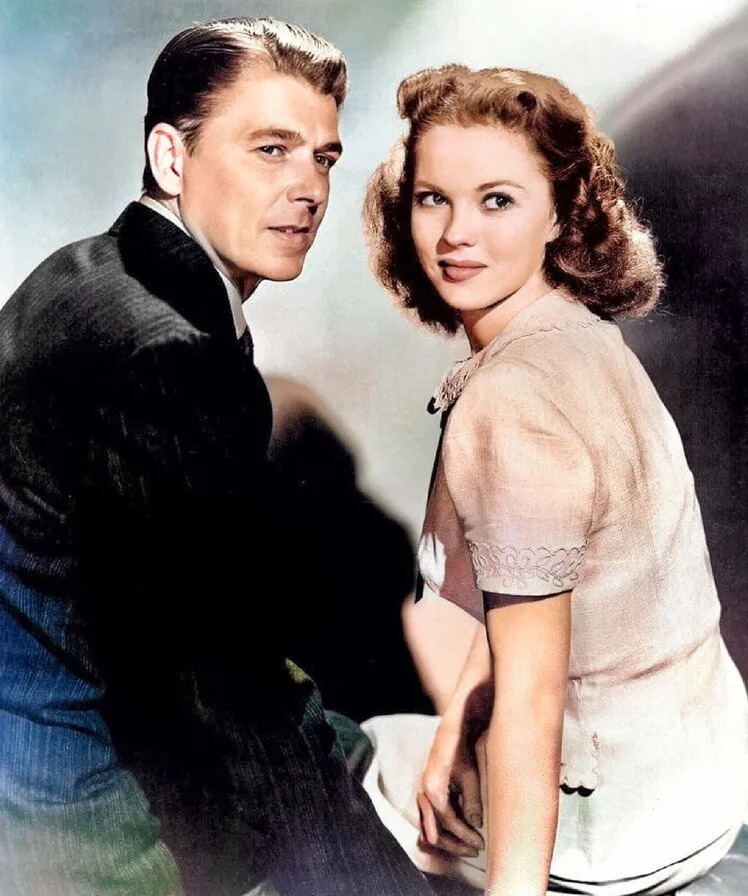
Getty Images
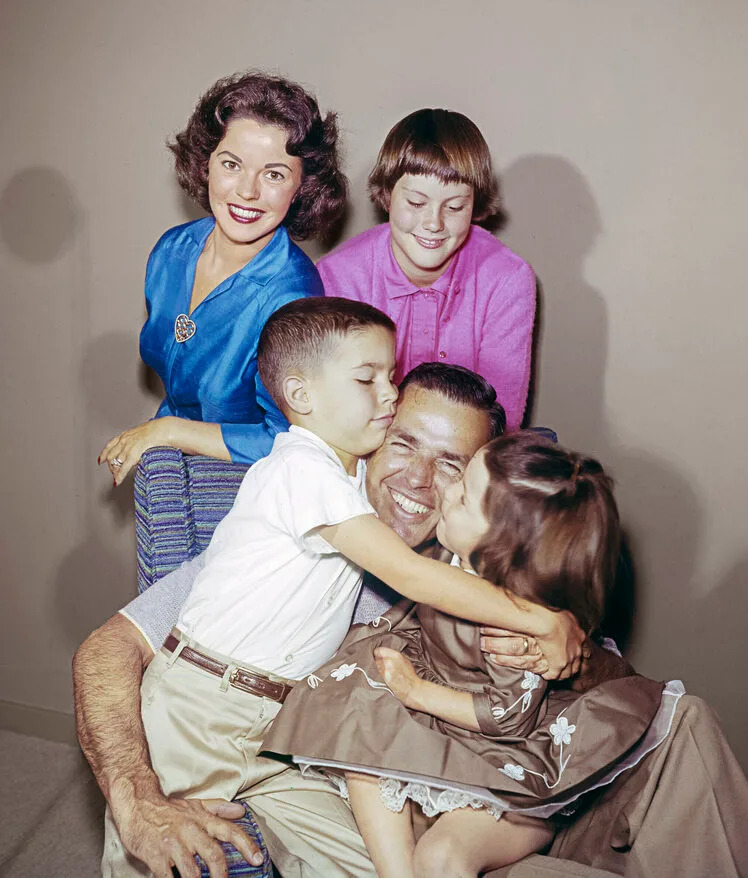
Her life entered a much less stressful second stage once she and Charles wed. They welcomed Charles Jr. in 1952 and daughter Lori in 1954, and her family would always be her greatest accomplishment.
“She was wonderful — and normal,” Charles Jr. recalled to Closer. “We had dinner at the table every night all together,” he says of how much she embraced her new role as a housewife and mother.
While raising her family, she got involved in children’s health issues, local politics and campaigning for soon-to-be President Richard Nixon. To thank her for her tireless support after his win in 1968, Nixon appointed her as a U.S. delegate to the United Nations. President Gerald Ford later made her ambassador to the African nation of Ghana, and she would eventually become the first female chief of protocol at the White House in 1976.
These later-year triumphs are what the second autobiography was expected to cover. “The book was [going to be] about her diplomatic life,” said Barry, “and I think she’d include things about being a mother, because that was very important to her.”
Her kids agree. “She was devoted and generous, and she could be a little stern if we didn’t behave,” Susan revealed to Closer. “But she was also a lot of fun. Very inventive and imaginative. She was all about her children and her husband.”
Susan was lucky enough to travel with her mom, and those memories will last a lifetime.
“She said, ‘Come with me! It’ll be fun,’ ” Susan recalls of exploring Romania and the former nations of Yugoslavia and Czechoslovakia with Shirley. “We ordered things we had no idea what they were off the menus and fiddled with whether or not we were tipping enough,” she says. “But she was very interested in what was happening, and always up for adventure.”
Those closest to her, though, venture that she was proudest of her family. “If you go to her grave site, it’s not set up like Shirley Temple the star or the diplomat,” Barry explained.
“It’s more Shirley Temple Black, the wife, the mother, the grandmother, the great-grandmother. It’s very humble and normal.”
This story Shirley Temple’s Memoir Revealed Secrets of Her Darkest Moments and Brightest Days first appeared on Closer Weekly. Add Closer Weekly as a Preferred Source by clicking here.