
What sci-fi epic does George Lucas call the real benchmark, beyond his own saga? It’s on HBO Max, older than many of its fans, and still daring you to compare.
George Lucas may have reshaped space opera, but his gold standard for science fiction is Stanley Kubrick’s 2001: A Space Odyssey. He credits it with raising the bar for special effects and narrative ambition, lending the genre a seriousness that endures. Nearly six decades after its release, the classic still commands reverence and streams on HBO Max.
The legacy of Star Wars and George Lucas’s statement
Star Wars reshaped moviegoing in 1977. Toys, tech, and myth converged into a pop-culture engine that still hums today. Yet George Lucas, who sparked that engine, has long pointed to another star as the genre’s true north: Stanley Kubrick’s 2001: A Space Odyssey, which he once called better than Star Wars in scope and seriousness, according to the documentary On the Shoulders of Kubrick: The Legacy of 2001.
Why ‘2001: A Space Odyssey’ sets the standard
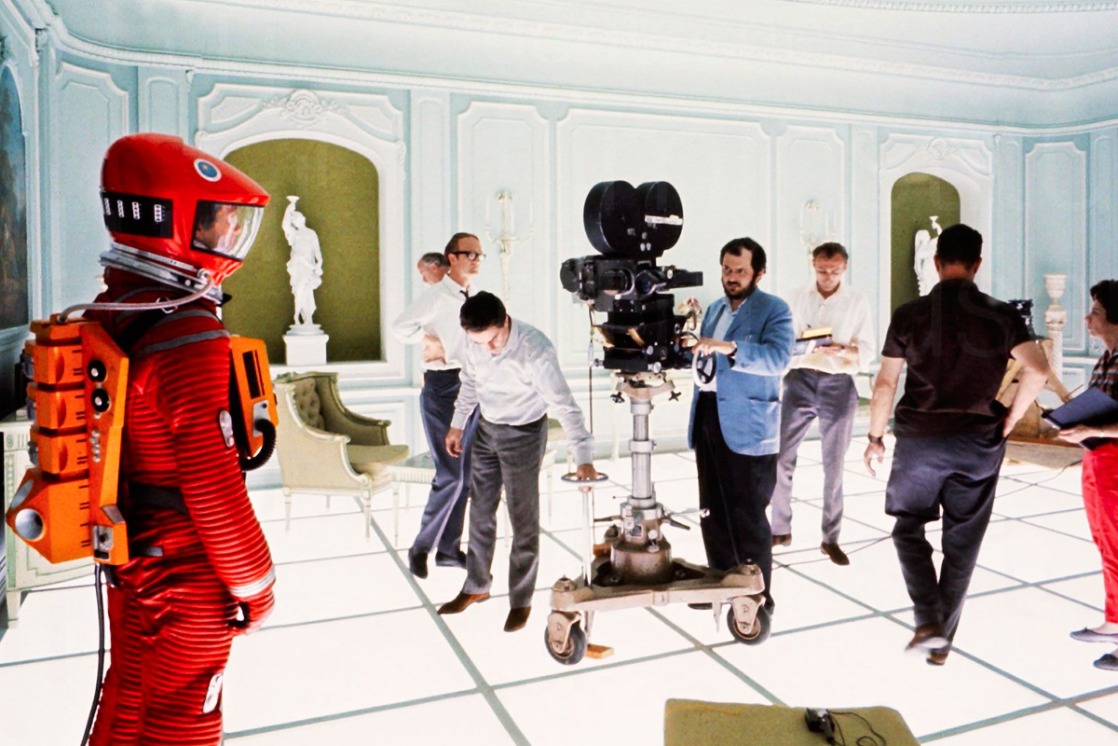
Lucas’s admiration tracks with the film’s audacity. Kubrick staged cosmic ballet with practical visual effects that still hold up: rotating sets simulating gravity, front projection that deepened horizons, slit-scan stargates that turned physics into poetry. He also pursued narrative ambition, jumping from prehistoric tools to sentient machines, asking what intelligence becomes when it meets the unknown. The minimal dialogue leaves space for music and image to argue, elegantly, about human destiny.
A classic redefined for modern audiences
Released in 1968, 2001 still feels radical. The silence is deliberate, the pacing hypnotic, the imagery unsettling and serene. New viewers often discover its immersive clarity through high-resolution restorations and, now, its arrival on HBO Max. The film rewards patience with ideas that linger, especially if you appreciate thoughtful epics like Dune or Blade Runner 2049 (same appetite, different flavors).
Connecting the sci-fi galaxies
Lucas’s nod does not dim Star Wars, it reframes it. You can feel Kubrick’s rigor in the way ILM refined spaceflight, in sound design that treats engines like instruments, in creators who borrow awe without copying style. Streaming makes these lineages visible at a glance, as platforms surface the old to illuminate the new. A few touchstones also orbit today’s catalogs:
Solaris, for meditative cosmic melancholy
Alien, for industrial dread and biomechanical grace
Close Encounters of the Third Kind, for wonder made human
This is the case on HBO Max, where 2001 sits like a monolith among modern hits. Watch it next to a recent space saga and the throughline sharpens: meticulous craft begets bold imagination, which then invites the next leap. Lucas recognized that continuum. Today’s viewers can chart it, pause by pause, from sunrise to stargate.