
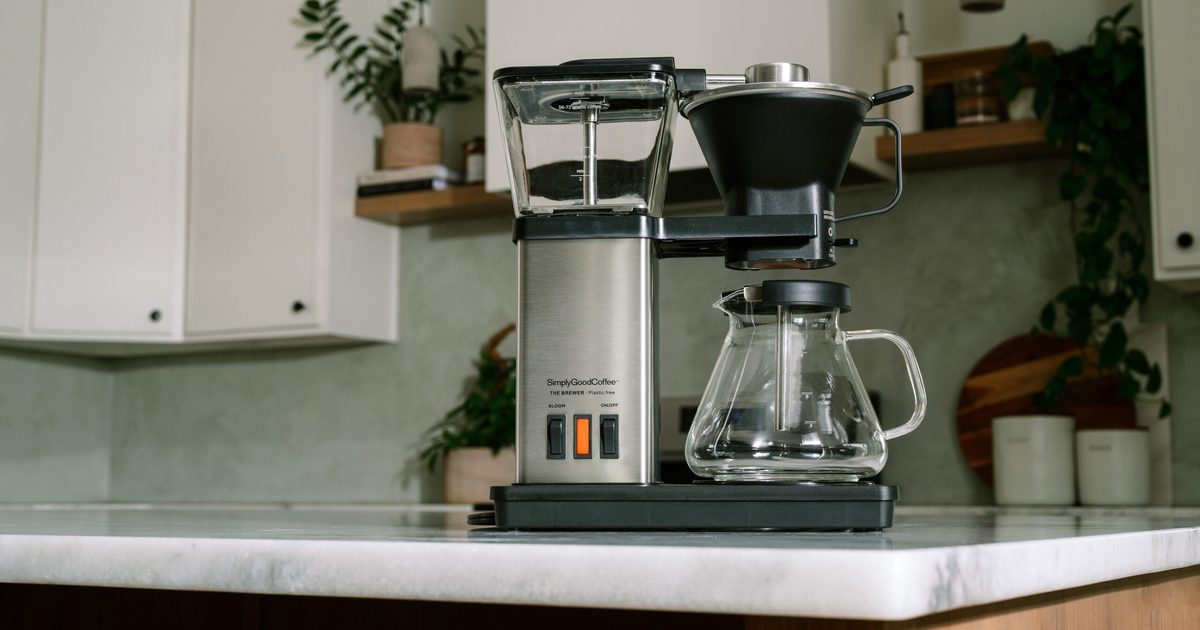
Everywhere I turn, I’m finding new items in my home that are a source of microplastics. From our cutting boards to our coffee makers, plastics are in an alarming number of kitchen products. While this may have been an acceptable standard for kitchen products at one point in time, the tides are turning and both consumers and brands are starting to pay more attention.
Crafting durable, reliable kitchen appliances without plastic is more than possible — it’s already happening. SimplyGoodCoffee is one brand dedicated to empowering more conscious consumption through full transparency encouraging people to rethink not only the beans they buy, but the materials that come in contact with their coffee. We got the inside scoop from Dean Rotchin, CEO of SimplyGoodCoffee, who outlines why so many coffee drinkers are ditching plastic in their morning routine.
Why consumers should care about conscious coffee consumption
SimplyGoodCoffee
“Health-conscious consumers are increasingly concerned about plastic in coffee brewing because heat, acidity, and repeated use can contribute to the migration of microplastics or chemical compounds into beverages,” shares Rotchin. “Early research from Stanford University in the 1990s helped establish that plastics can leach substances under heat and stress, and more recent studies – from groups like World Health Organization, National Institutes of Health, and University of Newcastle—have expanded the focus to include microplastic ingestion and potential biological effects.”
While the long-term health implications of plastic exposure are still being studied, the cumulative body of research has raised awareness around endocrine-disrupting chemicals and particulate exposure. According to Rotchin, there’s been a large number of peer-reviewed studies over the past 30 years that have examined plastic leaching, degradation, and microplastic exposure pathways. The findings from these studies have have contributed to a growing preference for materials like glass and stainless steel in food and beverage applications.
The emergence of SimplyGoodCoffee
SimplyGoodCoffee
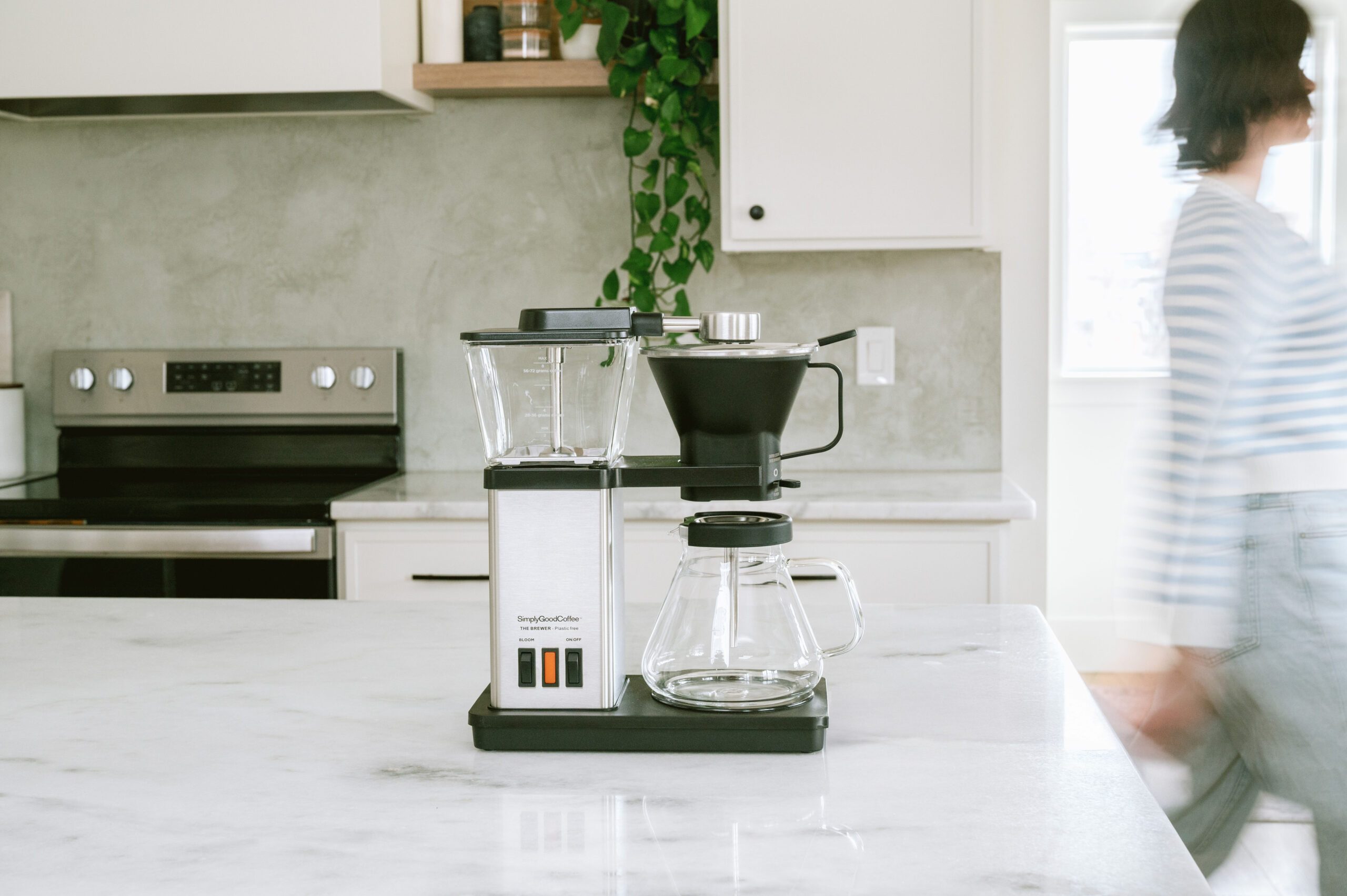
According to Rotchin, the story of SimplyGoodCoffee started when the CEO was doing all social moderation and handled some customer service inquiries and noticed a very loud (and often somewhat rude) opinion that “the world did not need another plastic coffee maker”.
“While our first 2 models were conventionally made with BPA and phthalate-free plastic and we sold tens of thousands of those models, the call for something where no plastic touches water or coffee was overwhelming. Our small company took on the development of a new plastic-free model and the response has been overwhelmingly positive. We thank the customer – it is because of their passionate desire for something better that we are now focusing on plastic-free,” he shares.
Today, the brand’s mission aligns with a growing shift towards conscious consumption, where customers are paying closer attention to what their products are made of and how they impact both personal health and the environment. “We’ve seen increasing demand for products that minimize exposure to materials like plastics in food and beverage preparation, alongside a broader preference for durable, high-quality materials like glass and stainless steel. We focus on delivering a better brewing experience – cleaner flavor, thoughtful design, and long-term reliability – that also reflects these larger consumer trends toward transparency, wellness, and responsible product design,” he shares.
How the plastic-free coffee brewing process works
SimplyGoodCoffee
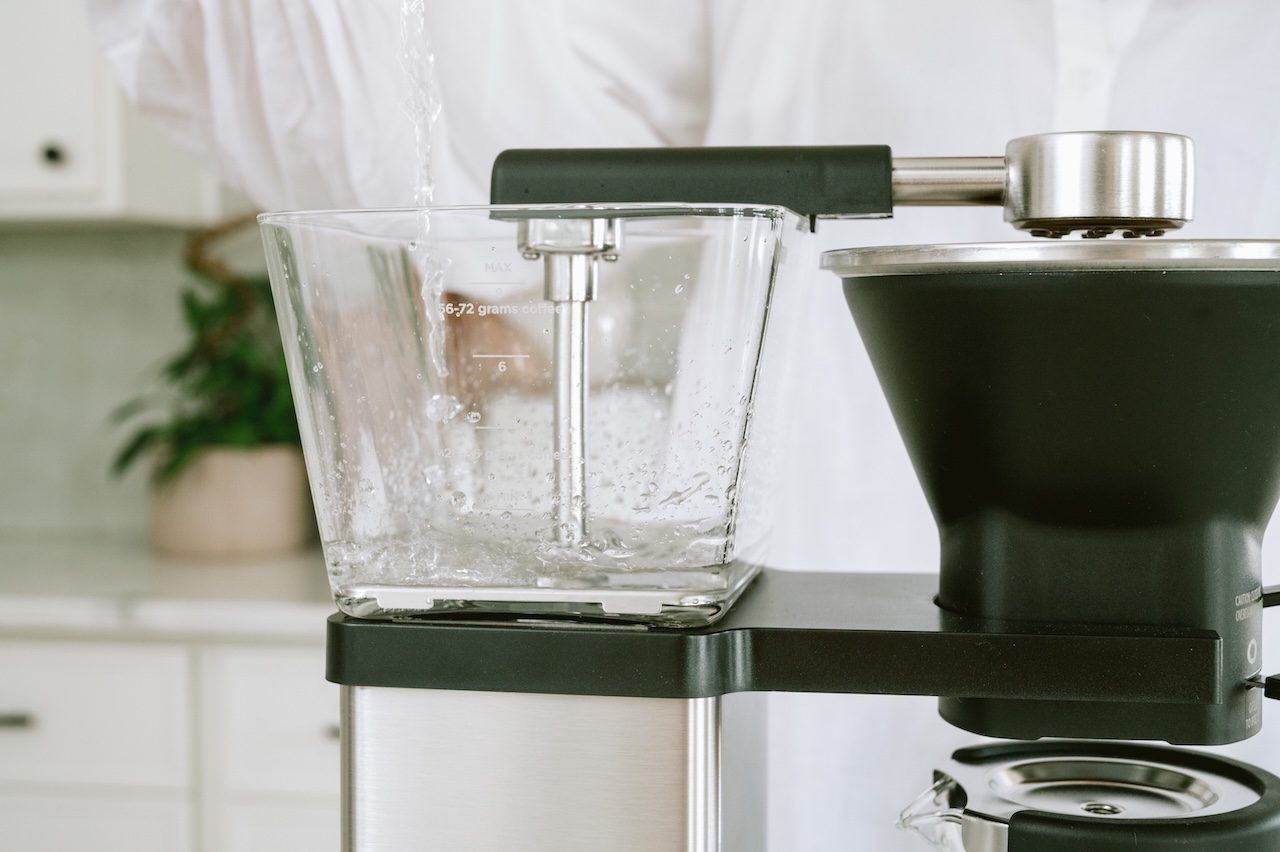
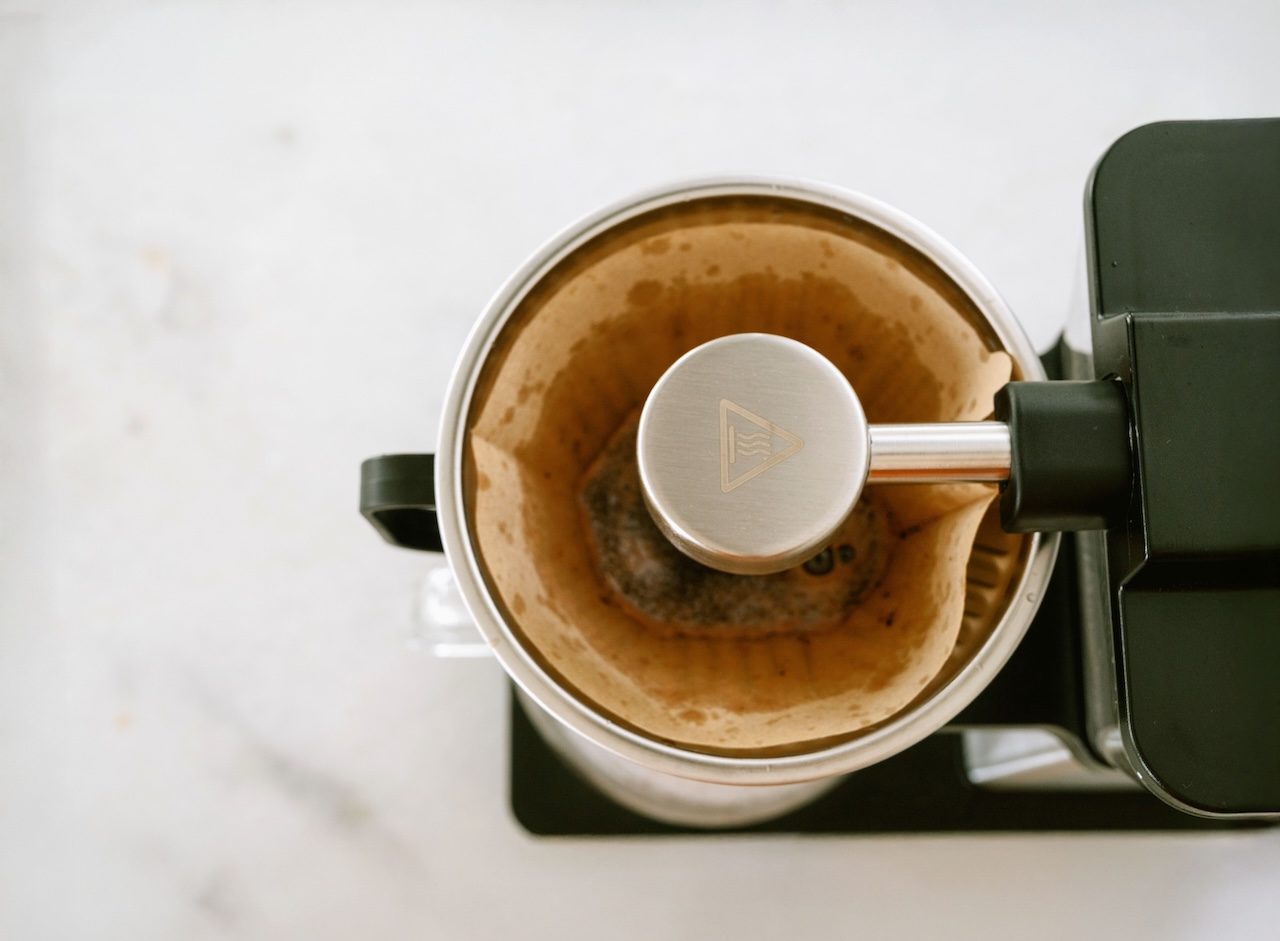
“Brewing without water contacting plastic can improve flavor clarity and consistency because materials like glass and stainless steel are non-porous and inert,” says Rotchin. “By contrast, many plastics are slightly porous and can absorb oils from coffee over time; those residual oils can oxidize and become rancid, which may carry over into future brews and affect taste. Heat and repeated use can also accelerate this buildup and potential flavor transfer.” By removing plastic from the coffee brewing path, the coffee’s flavor profile is preserved for cleaner, brighter, and more consistent brewing.
As time and technology advances, Rotchin believes that the plastic-free coffee revolution is only beginning. “One early customer, after receiving their brewer in the first shipment, said, “It’s hard not to see how this will become a new standard.” That feedback helped us recognize the broader potential of what we’re building,” he says.
Tips for switching to plastic-free coffee brewing
SimplyGoodCoffee
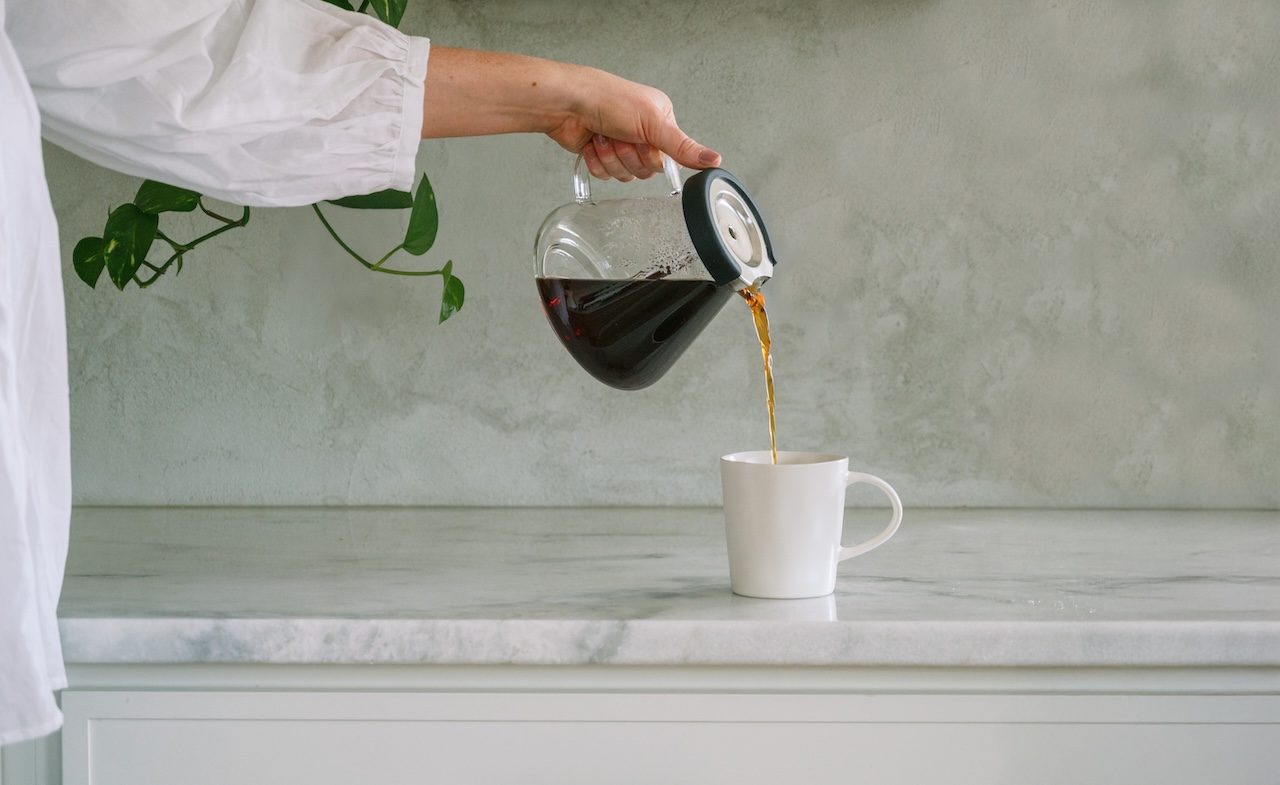
For someone new or inquisitive about exploring plastic-free coffee brewing, Rotchin recommends looking closely at the entire wetted path (every surface the water or coffee touches) and looking beyond marketing claims. “Materials like glass and stainless steel in the reservoir, heating system, and filter basket are key indicators, and it often requires digging beyond top-level descriptions to confirm what’s actually used.”
“Consumers have different priorities – some care deeply about materials like plastic in the brew path, while others are less concerned. That’s a personal choice, and we respect that,” he says. However, the company thinks the industry must work on clarity and consistency around material claims, as terms like “plastic-free brewing” should accurately reflect the full wetted path, and in some cases today, a closer look reveals that plastics are still present. These claims can create confusion for customers who are trying to make informed purchasing decisions.