
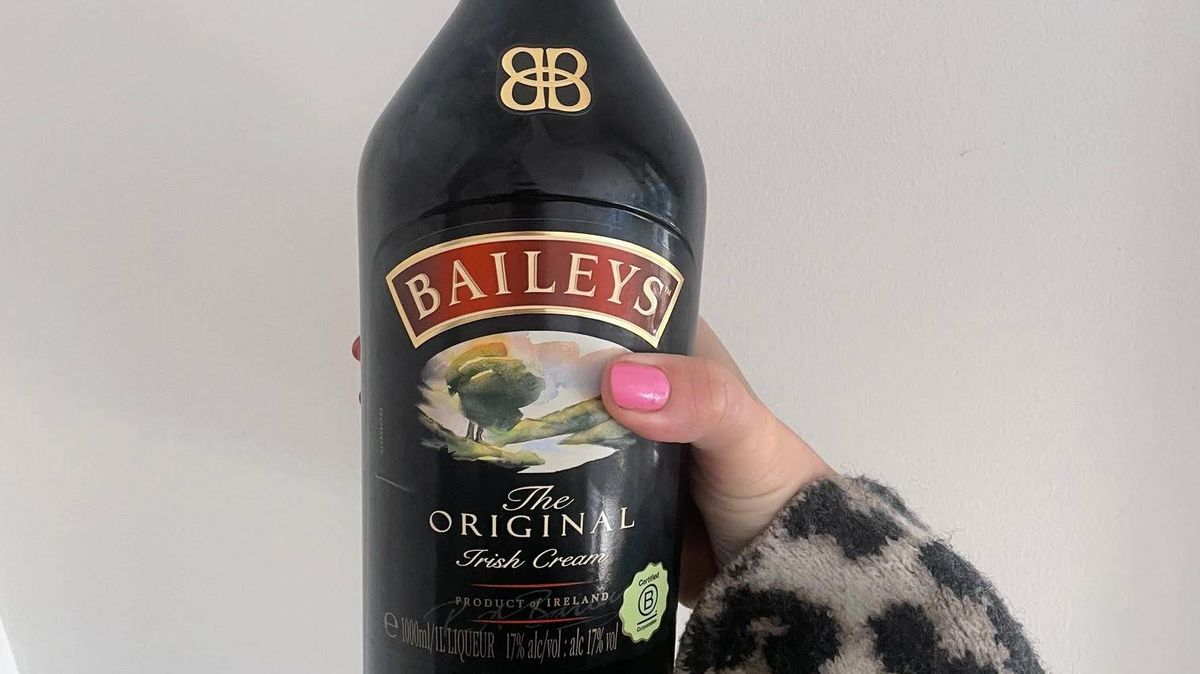
Experts are warning Irish households not to pour leftover Baileys down the sink after Easter, as the creamy liqueur can cause serious blockages and costly damage to pipes.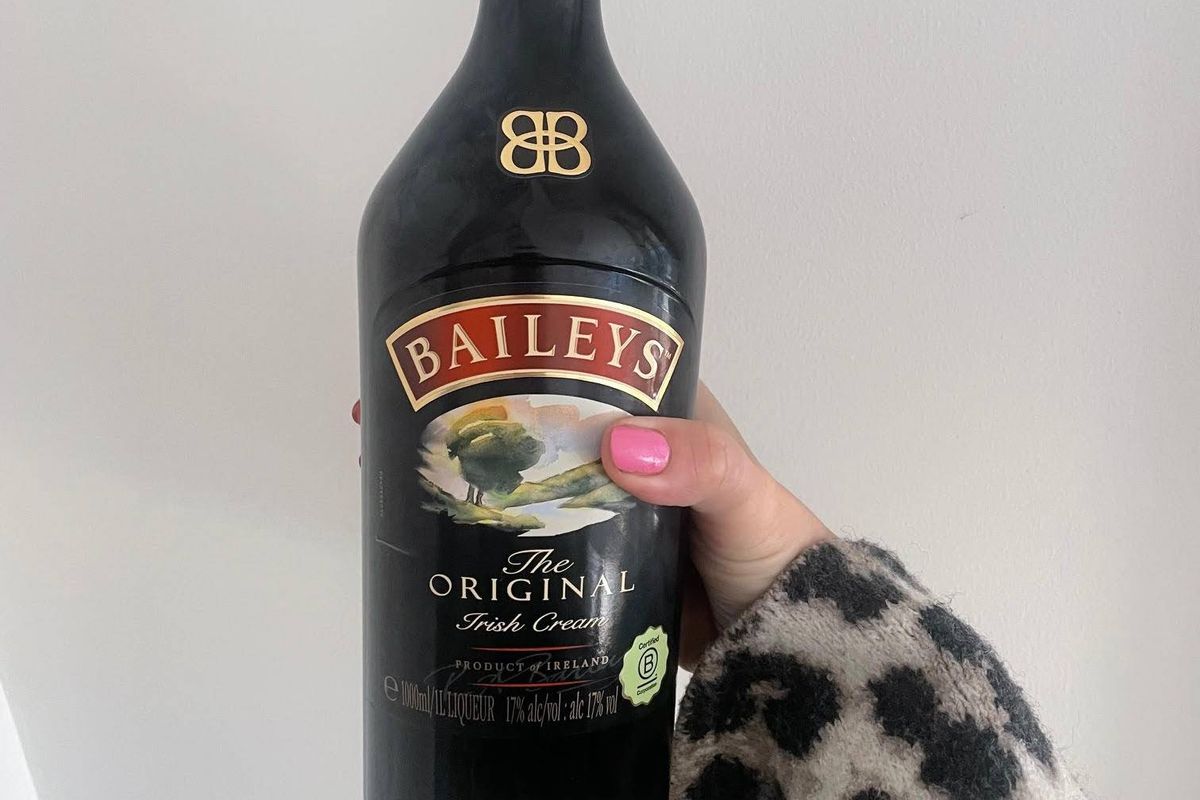
A bottle of Baileys Original Irish Cream
Baileys is one of the most popular drinks in Irish homes over the Easter period.
Whether it’s poured over ice, added to coffee or used in desserts, the creamy liqueur is a go-to treat in many homes at this time of the year.
But as the bank holiday weekend comes to an end, some homes may be left wondering what to do with their leftover Baileys.
It’s not a drink most people consume in large amounts, and once opened it doesn’t last very long. Manufacturers recommend it is used within six months, meaning bottles can easily end up going to waste.
However, experts are now warning against a common mistake – pouring leftover Baileys, or other cream based alcohol, down the sink.
Plumbing specialists say this can cause serious issues, with cream liqueurs capable of “wreaking havoc” on household pipes.
MyBuilder.com says disposing of Baileys this way is a surprisingly frequent problem. They explained: “Cream liqueur drinks, such as Baileys, can be a problem for your plumbing. While it may be delicious to drink, it doesn’t keep for long, and often ends up down the sink.
“However, this sort of beverage should never be disposed of in this way. Cream liqueurs have a large fat content, and as such falls into the category of FOG (Fats, Oils, and Greases). FOG should never go down the sink, as it sticks to pipes and can cause blockages. It’s also what’s responsible for ‘fatbergs’ in our sewers.”
Kevin Began from Blockbuster Drainage, previously explained to the Mirror UK that Baileys can “collate in the ‘U’ bend under the sink due to its thick consistency and prevent liquid from passing through to the external drainage”.
Instead, he advises pouring any unwanted Baileys into a “sealable container and disposed of in the general waste bin”.
Experts also warn that Baileys is not the only culprit. Hot cooking fats, oils and sauces should never be poured down the drain as they can harden inside pipes and lead to costly blockages.
Jamie Woodhall from Rentokil Specialist Hygiene said: “You should only pour water based products down a sink, or those that are water soluble. Flushing unsuitable products down domestic or commercial drains can lead to expensive drain blockages and overflowing sinks as well as increasing the risk of contamination, since grease sludge can harbour pathogenic bacteria.
“Top culprits for blocking drains in homes and commercial spaces are products that contain grease, fats and oil; expanding foods such as rice and pasta; flour; coffee grounds; and paint.
“With a severe blockage, some people turn to mechanical cleaning methods such as high pressure water jetting and rodding, but the se are maybe unsuitable and even become a source of bacteria contamination if not operated with care. So you should always consult an expert to resolve a severe blockage in a safe manner.”
Want to see more of the stories you love from the Irish Mirror? Making us your preferred source on Google means you’ll get more of our exclusives, top stories and must-read content straight away. To add Irish Mirror as a preferred source, simply click here.