
Cervical screening is a test designed to help prevent cervical cancer. It does not check for any other reproductive cancers, such as ovarian cancer.
Research from charity Target Ovarian Cancer indicates 40% of UK women mistakenly believe cervical screening tests for ovarian cancer.
This rises to 46% when looking only at women in Northern Ireland.
During a 16 March debate on a women’s health strategy, DUP MLA Diane Forsythe claimed that:
“Target Ovarian Cancer reports that 40% of women mistakenly believe that their cervical screening will detect ovarian cancer. It is so important to highlight that those tests do not detect ovarian cancer and that women need to understand the symptoms and be very aware of when they need to come forward.”
This claim is supported by evidence.
According to research based on survey data from UK charity Target Ovarian Cancer, 40% of UK women believe cervical screening will test for ovarian cancer.
Cervical screening tests are designed to help prevent – rather than detect – cervical cancer. These tests are not checks for any other sorts of reproductive cancers, such as ovarian, uterine, vulval or vaginal cancer.
Research from the charity further indicates that a higher proportion of women in Northern Ireland hold this misconception – with 46% of local women believing that cervical screening checks for ovarian cancer.
Read on for more information.
FactCheckNI contacted Ms Forsythe about this claim and she responded by saying that the 40% figure, which she attributed to Target Ovarian Cancer in her debated contribution quoted above, came specifically from the organisation’s 2022 Pathfinder survey (see below).
She also shared a link of key facts about ovarian cancer, including some apparent shortcomings in the knowledge of General Practitioners.
Cervical screening/smear tests do not test for cancer. Instead, they are designed to help prevent cervical cancer.
The test involves a small sample of cells being removed from the cervix and checked for certain types of human papillomavirus (HPV) that can cause changes to the cells of the cervix. If none of these high risk types of HPV are found, no further testing is required. If high risk HPV is found, the sample is checked further for any changes at the cellular level. According to the Public Health Agency:
“Cervical screening is not a check for other cancers of the reproductive system, such as ovary, womb, vulval or vaginal cancer.
“Do not wait to contact a GP if you have any concerns.”
UK charity Target Ovarian Cancer reports that “40% of women wrongly think that cervical screening (a smear test) detects ovarian cancer.”
This finding is based on the organisation’s Pathfinder 2022 report based on surveys of 1,002 women across the UK (carried out by Survation). The charity has carried out several pieces of research in its Pathfinder series, with 2022 the latest version.
This provides evidence to support the claim.
However, when focusing just on Northern Ireland, we can see that an even higher proportion of women here mistakenly think that cervical screening tests for ovarian cancer.
Closer look at Northern Ireland
In 2023, the charity published a report focused on NI. Pathfinder Northern Ireland: Faster, further, and fairer includes a series of findings based on surveys on general awareness of ovarian cancer in NI, General Practitioners in NI, and women in NI diagnosed with ovarian cancer between 2016 and 2022.
However, the report states that “31 per cent of women in Northern Ireland diagnosed with ovarian cancer will not survive for one year [meaning] many will not have had the chance to share their experiences through surveys like this.”
The paper compared general awareness of the four main symptoms of ovarian cancer between 2016 and 2022, suggesting there has been some increase in knowledge of the warning signs of ovarian cancer.
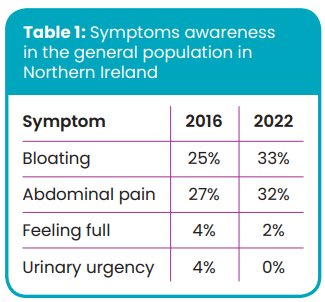
Figure 1 – source: Target Ovarian Cancer
The paper states that:
“Despite awareness of some symptoms tracking upwards since 2016, only four per cent of women surveyed said they were very confident in naming the symptoms. This is likely to mean that even if they spot something is not right, they might not make an appointment with their GP or seek advice.
“We also found that a worrying 46 per cent of women in Northern Ireland wrongly believe that cervical screening detects ovarian cancer. This means that women may think that if their cervical screening was clear, they are not at risk of developing ovarian cancer.”