
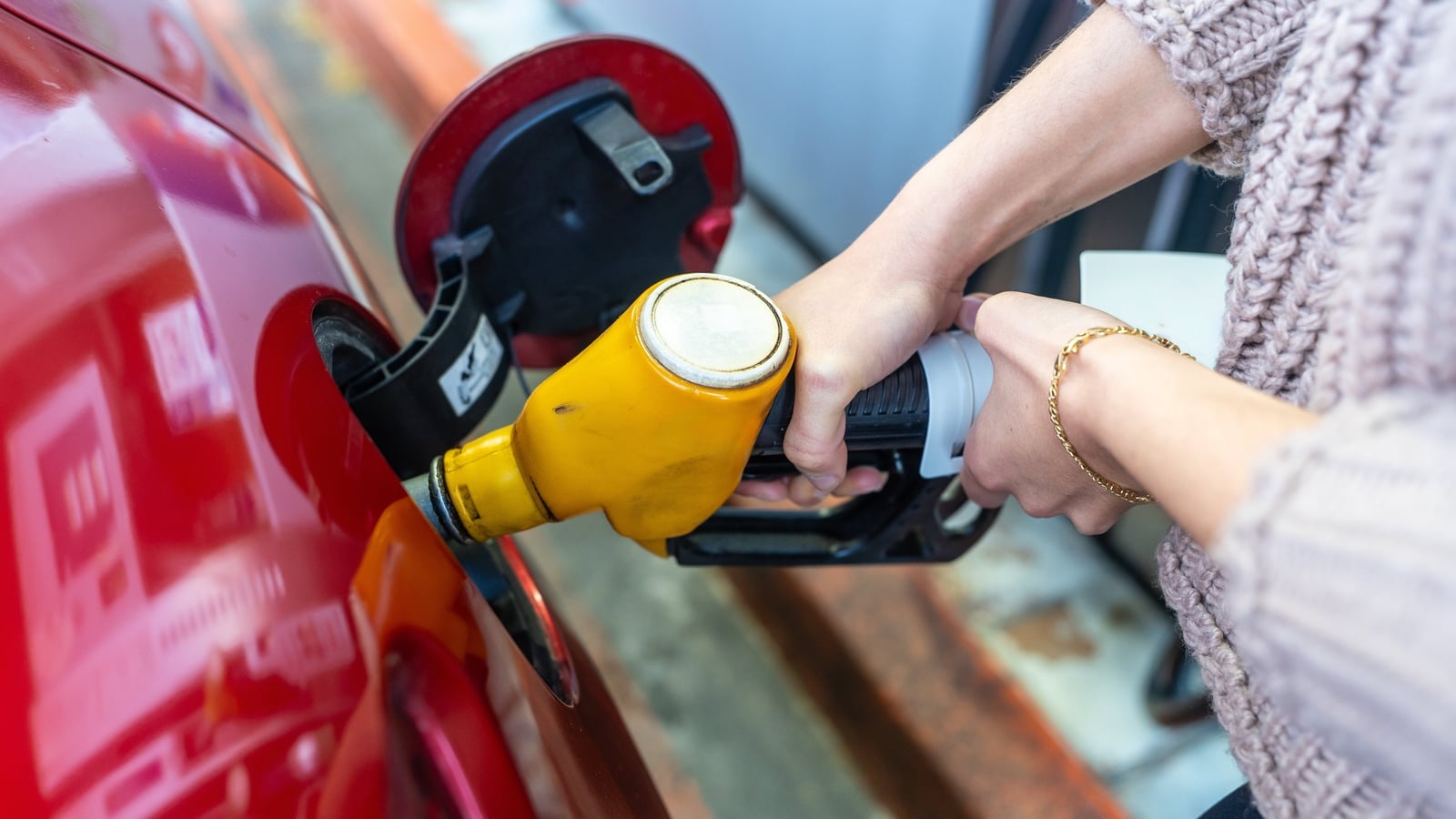
Recent spikes in fuel prices are a result of “significant increases in international wholesale costs” and not price gouging, according to an analysis from the Competition and Consumer Protection Commission (CCPC).
However, the CCPC said it could not rule out that “individual companies” may have benefited from price increases.
The report from the consumer watchdog was prompted by calls from Government for the public to notify high-fuel prices and price gouging.
Despite temporary Government excise cuts (of 20 cent a litre on diesel, and 15 cent a litre on petrol), diesel has risen from about €1.70 a litre to €2.17 on many forecourts in recent weeks.
Petrol is now up to 25 cent more expensive per litre at many pumps, when compared with the end of February.
Since 2 March, the CCPC said it has received over 900 complaints, with a small number – fewer than 5% – reporting specific consumer-protection issues with certain home heating oil suppliers.
However, it said the vast majority of the complaints were in relation to “high levels of consumer distress and frustration at very sudden and significant price rises across essential fuel products”.
The CCPC said in response to consumer-protection issues identified, it has written to the home-heating oil industry to remind them of their consumer protection obligations under the law.
This includes the requirement to clearly explain to consumers how their prices are calculated, while the watchdog is still investigation some complaints.
Overall, the CCPC analysis found road fuels and home heating markets are “reasonably competitive” and that the price increases seen in recent weeks “were not driven by competition issues, but rather by significant increases in international wholesale costs”.
Commenting on the report, CCPC Chair Brian McHugh said “the distress and concern we heard from consumers was very real”.
“A large number of consumers suspected that recent price increases were illegal and motivated in significant part to increase profits,” he said.
“However, while we have identified a small number of questionable consumer protection practices, we have not seen price increases that are in breach of any law. Ireland is an open market economy where businesses are free to set their own prices for goods and services,” he stated.
Mr McHugh added that the CCPC is “very familiar with the road fuel and home heating oil markets in Ireland, and we know these markets are relatively competitive”.
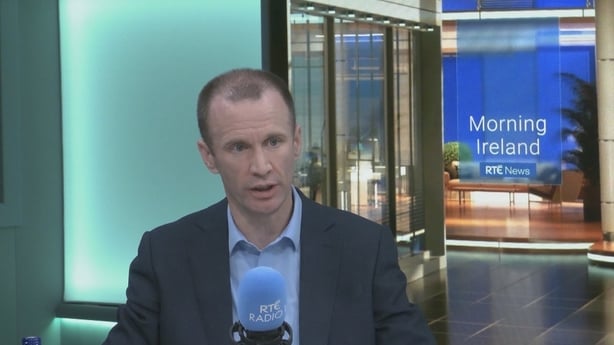
Brian McHugh, the CCPC chair
“We have examined the wholesale price increases across international markets in recent weeks and, while we cannot rule out that individual companies may have benefited from price increases, overall the very high price increases we are seeing nationally across both the home heating oil and road fuel markets are driven by increases in wholesale costs,” he added.
Previously, in November 2022 the CCPC published an analysis of the retail motor fuel market and pricing in response to sharp price increases in the aftermath of Russia’s invasion of Ukraine.
That report found that international prices drove price increases for consumers in the period leading up to the Government’s excise cut at that time, rather than service stations illegally coordinating their prices or a lack of competition.
CSNA welcomes today’s CCPC report
The Convenience Stores and Newsagents Association (CSNA) has welcomed the findings of the CCPC analysis.
CSNA President Vincent Jennings said his association “had always believed that an investigation would exonerate our members of any wrongdoing, as was also the case in the last CCPC report following the invasion of Ukraine”.
“Our members and their staff were subjected to appalling abuse following well-publicised and totally inaccurate statements from several leading politicians, all of whom should apologise,” he stated.
The CSNA represents over 1,500 retailers across the country, including 300 filling stations.