
In today’s Finshots, we talk about the green compliance loophole that could make or break our recycling goals.
Also, If you’re someone who loves keeping tabs on the world of business and finance, hit subscribe if you haven’t already. And if you’re already a subscriber, thank you! Maybe forward this to someone who’d enjoy our stories but hasn’t discovered us yet.
The Story
Summer is here and we’re all feeling the heat this time. In our morning editorial calls, we talk about how each of us are dealing with it. It could be something as simple as keeping all the windows open all day long or something as expensive as buying a 1.5 ton air conditioner.
Others stick to simpler fixes like coconut water or buttermilk.
But every time you tear open a packet of buttermilk, there’s a small thought that lingers.
That plastic wrapper and straw you just used… is it really getting recycled?
India actually tried to fix the recycling system at home not by just enforcing it, but by creating a system of incentives.
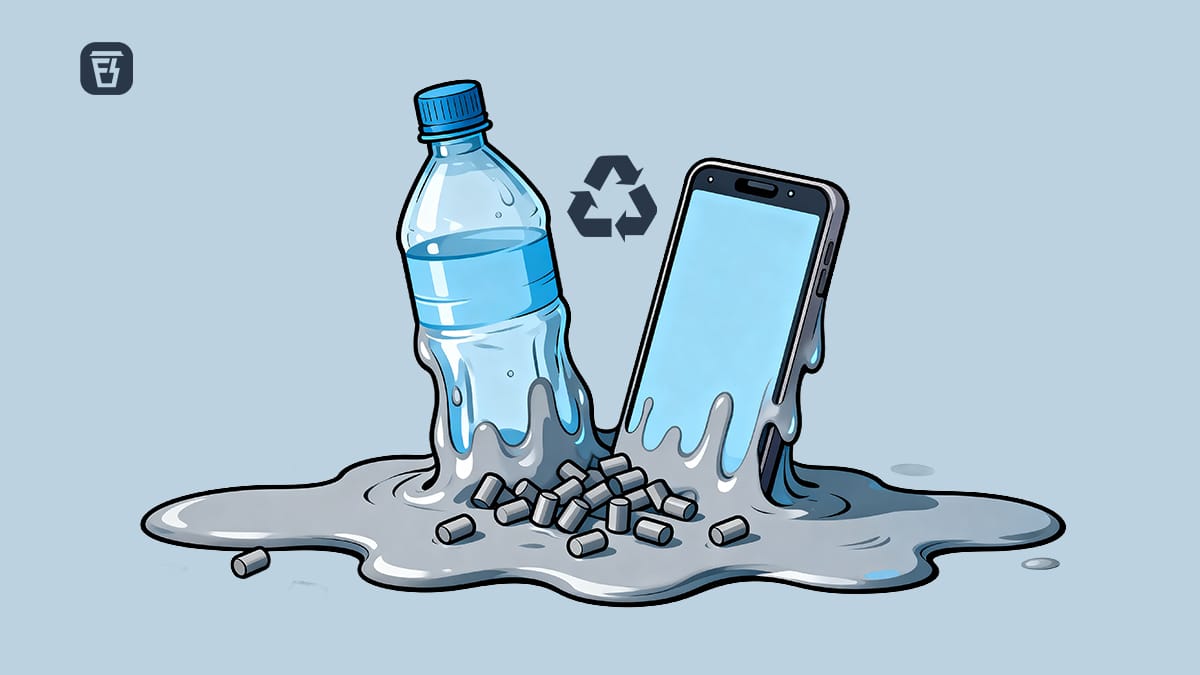
For context, under the E-Waste Management Rules 2022 and plastic waste management rules, the companies that sell electronics or packaged goods have to ensure that whatever they’re selling in the market eventually gets recycled.
And this isn’t a small problem to solve. India generates over 1.6 million tonnes of e-waste every year, along with millions of tonnes of plastic packaging waste. So obviously these companies can’t go around collecting every plastic wrapper or outdated appliance themselves. Even attempting to do that in a country as vast as India would be a logistical nightmare.
That’s why the system works a little differently.
Instead of doing all the heavy lifting themselves, the companies can just outsource their recycling to specialised recyclers. These recyclers specialise in processing non-biodegradable waste like plastics and electronics. And when they do that, they are issued something called an EPR certificate. EPR stands for Extended Product Responsibility and each certificate represents a certain quantity of waste that gets processed.
So if a company sold thousands of tonnes of products that fall within these categories, it can simply buy enough EPR certificates to match the number and show that it has met its recycling obligations. And if some of their products are refurbished, they can carry over their EPR.
Simply put, India didn’t just create the rules for recycling, it created a market for it.
On paper, that sounds like a win for everyone. The companies have a neat and streamlined way to comply with the rules and recyclers get paid for doing the work. And the system could scale it efficiently over time. Every party, from the manufacturer to the recycler (called PIBO or Producer, Importer Brand Owner and Bulk consumer) has to register under the EPR framework.
But when compliance becomes something that can be bought and sold, the incentives can turn into something else altogether. Companies are rewarded for showing proof that recycling has happened.
And this is where things run into trouble.
Because for many companies today, recycling isn’t just about regulatory compliance. It’s also tied to their ESG (Environmental, Social, and Governance) goals. Investors, especially large institutional ones, increasingly track how companies perform on environmental metrics, including how they manage waste.
So these EPR certificates don’t just help companies meet government targets. They also help them show that they’re ticking the right boxes on sustainability. Which means the incentive isn’t just to recycle better. It’s to show that you’re compliant, both to regulators and to investors. But instead of asking ‘is the waste being recycled properly?’ the system asks, ‘do you have enough certificates to show compliance?’
Now think of the recycler’s side of the equation, where their revenue depends on how many certificates they can generate and sell. The more waste they claim to process, the more certificates they can issue. And the more certificates they issue, the more money they make.
That’s where the cracks began to appear. Back in 2023, the Central Pollution Control Board unearthed 6 lakh fake EPR certificates across just three states in India. And it wasn’t difficult to put the math together because the four recycling companies involved created much more EPR certificates than their installed capacity.
This gap was possible because verifying whether that waste has actually been processed, isn’t always straightforward. Monitoring infrastructure is still evolving, audits are limited, and real-time tracking of material flows is not always airtight.
And once verification weakens, price takes over.
Companies looking to meet their targets will naturally prefer cheaper certificates. And those certificates don’t necessarily come from more efficient recycling. Sometimes, they simply come from players willing to cut corners.
This creates a race to the bottom. Genuine recyclers, who invest in proper infrastructure and actually process waste, face higher costs because real recycling involves collection, segregation, labour, energy and compliance with environmental norms. Meanwhile, others can undercut them by offering lower-priced certificates without the same level of accountability.
On paper, everything still looks compliant. But in reality, the system risks drifting away from its original purpose, which was environmental responsibility at every level.
But the good thing is that the government has begun tightening what actually counts as compliance.
Earlier, companies could rely on end-of-life (EOL) disposal methods like waste-to-energy or road construction to meet some of their targets, where plastic waste is mixed with bitumen and used to build roads instead of being recycled into new material. But that flexibility is withdrawn. If the rule says recycling, it now has to be actual recycling.
At the same time, the focus is shifting from just recycling waste to actually bringing it back into the system.
Under the new framework, companies are now required to use recycled plastic in their packaging, with targets that increase over time. For some categories, this starts at around 30% for Category 1 plastics (such as water bottles, soft drink bottles and shampoo bottles) and goes up to 60% in the coming years.
That changes the game. Because now, companies can’t just buy certificates and walk away. They need real recycled material flowing through the system.
There’s also a push toward digital tracking.
Instead of relying only on certificates, regulators are strengthening digital platforms where every transaction, from producers to recyclers, is recorded. The idea is to move toward a system where waste can be traced, not just reported.
And then there’s the question of pricing.
One of the biggest reasons the system broke was because cutting corners was cheaper than doing things properly. So regulators have started looking at ways to bring more discipline to how EPR certificates are traded, so that genuine recyclers are not undercut by those gaming the system.
And it’s not just about reducing plastics in the environment. Globally, e-waste alone contains nearly $57 billion worth of recoverable materials every year, including copper, aluminium and trace amounts of critical minerals. Much of this waste still doesn’t flow through formal recycling systems.
So if EPR gets successfully implemented, it can help unlock this value domestically. If it does not, the country risks losing both environmental and economic value in a market designed to deliver both.
But even with all these changes, the core challenge at heart remains the same. And changing the rules is one thing. Changing the incentives is another. After the 2022 EPR rules first came out, millions of tonnes of plastic have been recycled since. But even the Environment Ministry admits that there’s still a long way to go.
Because as long as compliance can be bought, there will always be pressure to make it cheaper, faster and easier.
Which brings us back to that packet of buttermilk.
India has built a system that tries to ensure it gets recycled. It’s even trying to fix the gaps as they appear.
But until the system can guarantee that what is reported matches what actually happens on the ground, that small question will continue to linger.
Is that packet actually getting recycled?
Until next time…
Liked this story? Share it with someone who can’t stop talking about recycling on WhatsApp, LinkedIn and X.
Myth Alert: I’m Too Young to Buy Life Insurance!
The other day, one of our founders was chatting with a friend who thought life insurance was something you buy in your 40s. He was shocked that it was still a widely held belief.
Fact: Life Insurance acts as a safety net for your family. The younger you are, the cheaper it is. And the best part? Once you buy it, the premium remains unchanged no matter how old you get.
Unsure where to begin or need help picking the right plan? Book a FREE consultation with Ditto’s IRDAI-Certified advisors today.