
A Dublin charity paid for a Mediterranean cruise and a seven-night stay in Majorca for a businessman whose company was being paid to run its monthly draw, a report for the Charities Regulator has found.
Fighting Blindness, the “patient-led” charity for the visually impaired, also agreed in 2024 to pay €950,000 in settlement of a legal dispute to a second fundraising company run by the businessman’s son and which had the charity as its only client, the report states.
The €5,599 invoice for the 2019 Mediterranean trip by the man and his wife to celebrate their 40th wedding anniversary was approved by the then chief executive of the charity, Fighting Blindness, without board approval, according to the report. The chief executive is not named in the report.
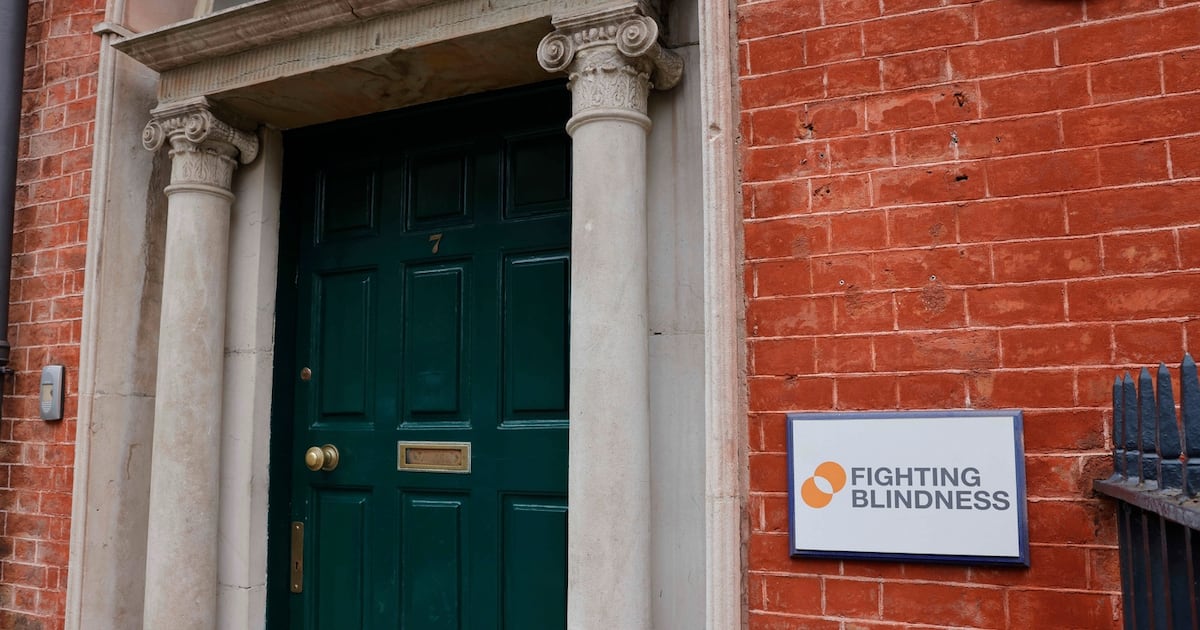
In 2018-2023 Fighting Blindness, which is based on Hill Street in Dublin city centre, raised €8.38 million from its monthly private members’ draw, of which it paid out €3.57 million to two private companies involved in running the draw.
Both the private companies, which are not named in the report, had the same shareholders and the unidentified businessman who went on the cruise was at the time the sole director of the company operating the draw, according to the report. The shareholders are not related to the charity.
The Gaming and Lotteries Act stipulates the maximum proportion of the proceeds from charity raffles that can be spent on expenses.
In 2018 Fighting Blindness reduced the proportion of the proceeds from the draw going to the private company to 40 per cent from 50 per cent, to comply with the law.
However, when the law changed in 2021, reducing the maximum to 25 per cent, the charity reduced the level of payment to the first company while entering into a second contract with a new company that had the same shareholders.
The net result was that the same proportion of the draw’s proceeds – 40 per cent – was being paid out, the report states.
The unnamed second company, incorporated in 2021, had only one client, Fighting Blindness. When the services it was providing were moved in-house, the employee who took on the work was paid approximately 20 per cent of what the charity had been paying the private company, according to the report.
The regulator’s inquiries began in 2022, the year The Irish Times published a report about the finances of Fighting Blindness. In 2023 the charity received legal advice that the arrangement it had with the unnamed companies was not in line with the law in relation to raffle proceeds.
However, when the charity sought to end its contract with the second company, the company threatened to sue and the charity ended up agreeing to pay €950,000, in 72 monthly instalments over six years, in settlement of the dispute.
The regulator’s investigation was told the cruise payment was to offset money owed to the businessman’s company but the documentation to support this was absent and indicated a lack of financial control by the board, according to the report.
A third business involved in providing services to the charity booked the Mediterranean cruise on the instructions of the former chief executive,the report states.
The resulting invoice referenced the holiday as a “grand prize” for a raffle for which no tickets were ever sold.
The invoice did not go before the board, which had no knowledge of the matter, but a later inquiry found the payment did not constitute a misappropriation of charitable funds. The former chief executive told the investigation the cruise was funded for “relationship building” purposes.
The board, in a statement in response to the report, said it sincerely apologised for the failings in oversight identified.
“We recognise that these shortcomings fell below the standards expected by our members, donors and the wider public, and we are committed to restoring that trust,” the board said.