
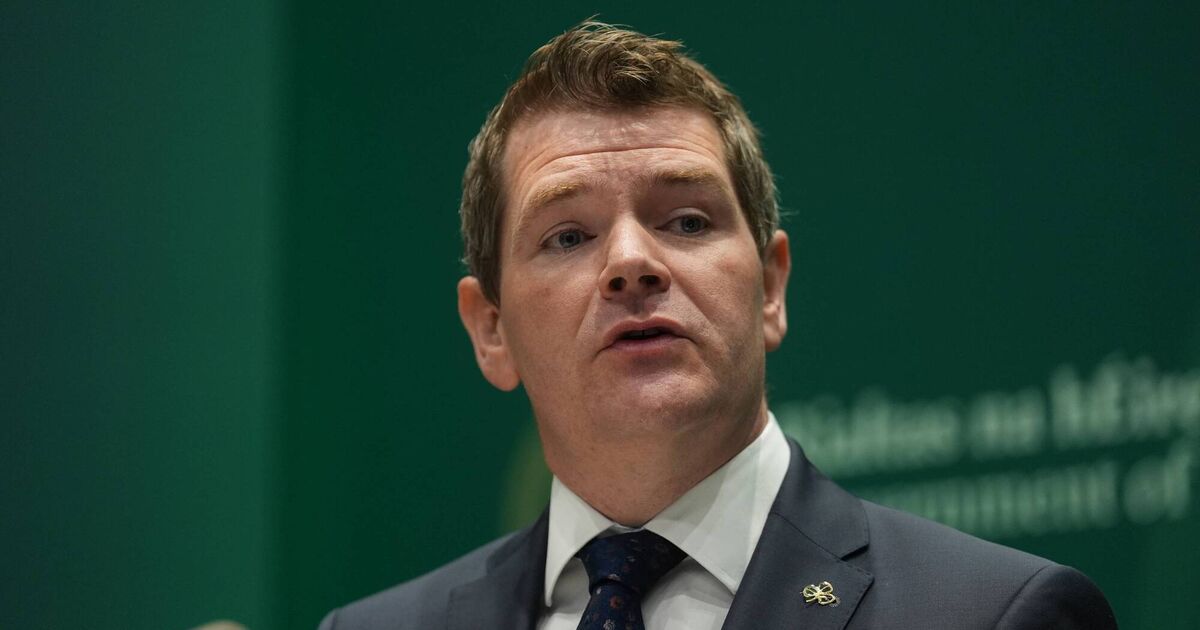
“A cap has been tried out in many countries and, again, you have to always look at the evidence here,” Peter Burke said, speaking on RTÉ Radio.
“When you look at where the cap was tried out. In Argentina, in Egypt, in Pakistan, one common thread happened after it. The IMF were called in to each of those countries.
“What a cap will do is take a wrecking ball to our public finances. It will put the bill on the taxpayers, take it from the forecourt and put it on to our debt, on the back of every citizen in our country.
“We will not be able to sustain it.”
Pressed that other EU countries have introduced fuel price caps and IMF bailouts were not required, Mr Burke said it was still early.
He said in Slovenia, where caps are being introduced, there is now “tourism”, with people travelling from other countries to get cheaper fuel.
Mr Burke said a cap would impact small businesses, adding that payments would be made in arrears, leaving smaller forecourts facing razor-thin margins.
“Some of them [forecourts] are operating on a margin of two, three, four per cent. That means all of those will go out of business immediately,” he said.
The minister said Ireland did not want to see its “sovereignty handed over to the IMF” like it did after the bailout more than a decade ago.
Pressed that it was an extreme scenario he was setting out, Mr Burke said the cost of fuel caps would run into the billions of euro.
“No State could sustain that into the future,” Mr Burke said.
On a package of measures, Mr Burke said the Government has sought EU flexibility on excise duties, due to restrictions in the existing framework.
He said the Government would need to get EU permission to further cut excise on petrol, diesel and green diesel.
He added that Tánaiste Simon Harris is working on the matter at an EU level.
Mr Burke said he hoped there would be news later on “an intervention that will reduce inflation” and help lower the cost of groceries on supermarket shelves.
This package would also seek to underwrite “the logistics of getting them to the shelves”, focusing on both hauliers and farmers.