

Prices are never as quick to come down, which means Brits are likely to still feel the effect of increased costs for a little while longer
13:57, 10 Apr 2026Updated 14:26, 10 Apr 2026

Family reading their bills at home
UK households may still be clobbered with prices rise over the coming months despite the Iran war ceasefire.
The temporary pause has brought some welcome relief, with all eyes on peace talks scheduled to take place in Pakistan this weekend.
But prices are never as quick to come down, which means Brits are likely to still feel the effect of increased costs for a little while longer, whatever the outcome of the negotiations.
Drivers are already paying more at the pumps thanks to rising petrol and diesel prices, while mortgage rates have also climbed in recent weeks.
Some airlines have also begun axing flights and warned of price rises for customers if the conflict continues. Meanwhile, a major hike in energy bills is also still forecast this summer.
Fuel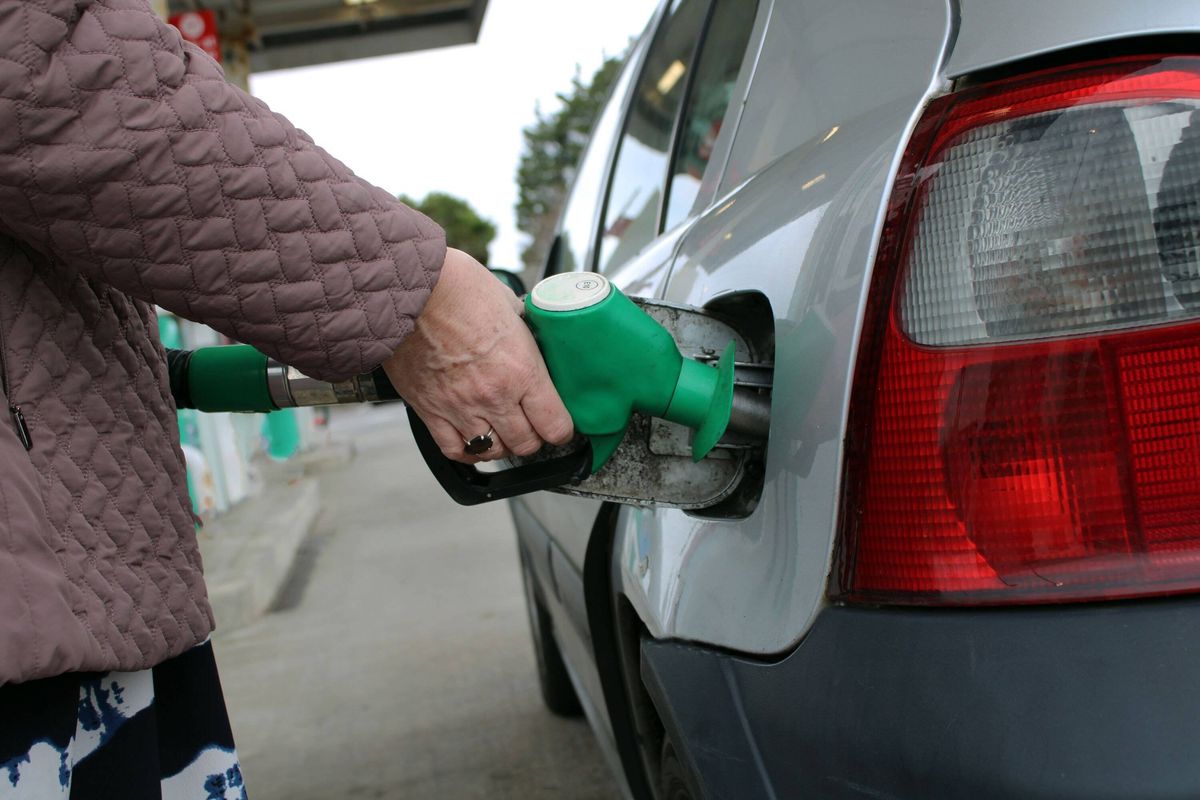
Fuel prices have soared in recent weeks(Image: Getty)
Petrol and diesel prices have surged following the closure of the Strait of Hormuz, which is where about 20% of the world’s oil and liquefied natural gas passes through.
But despite oil prices falling back below $100 a barrel this week, it may take a little time for this to reflect in how much you pay at the pumps.
The AA said any reduction in fuel prices could happen next week. Others have been less optimistic.
Rachel Winter, from the wealth management company Killik & Co, told BBC Radio 4’s Today Programme: “I would expect it to take at least a few weeks, if not a few months.”
The average price of diesel is now 191.31p a litre, up 34% since the start of the conflict on February 28, the RAC said. The average price of unleaded petrol reached 158.16p a litre, up 19%.
Energy
The war is forecast to cause a surge in energy bills this summer. Analysts at Cornwall Insight currently expect the Ofgem price cap will soar to £1,929 a year for the typical home this July.
It is currently set at £1,641 a year. The July price cap will be based on wholesale prices between February 18 and May 18, 2026, so predictions will likely change as we get nearer to the end of this timeframe.
Energy companies have been pulling fixed products, with less tariffs available compared to before the conflict.
Consumer champion Martin Lewis last night issued a message on social media, alerting people to new energy fixes that are cheaper than the current April price cap – but he warned they could disappear quickly.
He said: “Urgent. For 1st time in weeks, due to the ceasefire, there are a couple of energy fixes cheaper than the new April price cap.
“If things change they could disappear at speed. If you’re on the cap and want to avoid the big hike in July, this does that. Do a whole of market comparison.”
Holidays
Holiday prices are impacted by jet fuel costs(Image: Getty Images/Jodie Griggs 2013)
Travellers face higher costs for holidays due to higher jet fuel prices. The global average jet fuel price last week rose 7.1% compared to the week before to $209 per barrel.
The conflict has also lead to some flights being cancelled, or longer routes being introduced to avoid conflict zones, which can also increase air fares for passengers.
British Airways owner IAG and EasyJet say they brought their fuel before the war began, so have not had to pass on price increases to cutsomters.
However, Ryanair boss Michael O’Leary told Sky News last week that jet fuel supplies could start to be disrupted in May if the conflict continues.
Food
Higher fuel prices mean the cost of transporting goods has become more expensive. The closure of the Strait of Hormuz has also caused price spikes for fertilizer, which is used to grow fruit and vegetables.
When these types of costs go up, they are normally fed into the price you pay as a consumer. Earlier this month, it was warned that food inflation could soar higher than 9% by the end of 2026 if the war continues.
The Food and Drink Federation (FDF), which represents 12,000 food and drink manufacturers, hiked its inflation forecast for the year in light of the conflict.
Dr Liliana Danila, FDF chief economist, said: “As one of the UK’s energy intensive industries, manufacturers are facing mounting energy bills, rising transport and packaging costs and disruption across key supply chains.
“These pressures are hitting simultaneously, and are a significant challenge for businesses to absorb.”
Mortgages
Mortgage rates have gone up as well, amid reduced confidence of interest rates being cut this year.
The average mortgage rate is now 5.90% for a two-year fix and 5.78% for a five-year fix, according to Moneyfacts.
Moneyfacts said rates may be nearing their peak – but warned it is “too soon” to say whether things will start looking better for borrowers.
Swap rates, which are used by lenders to price mortgages, have been rising in recent weeks.
Rachel Springall, finance expert at Moneyfacts, said: “Over the past few days, we have seen a couple of lenders cut fixed mortgage rates, but it’s a bit too soon to say whether this is the turning point for borrowers overall.”
Medicines
The National Pharmacy Association (NPA) said that pharmacists have seen “evidence of escalating price rises” for medicines.
However, it said the UK is “yet to see” any medicine shortages linked to the conflict.
Chief executive Dr Leyla Hannbeck said: “The UK pharmacy sector depends heavily on imports, particularly from India and China, and ongoing pressures, from rising energy costs to constrained raw ingredients from the Middle East conflict, are already disrupting supply and risk worsening shortages without decisive action.”
If you are buying medicine using an NHS prescription, the price is capped at a flat fee of £9.90 per item.
Everything else
The UK, like the rest of Europe, is heavily dependent on goods coming through the Strait of Hormuz, so there are fears the disruption will drive up the price of everyday household products.While the crisis it yet to impact directly on many of those things Brits take for granted which come cheaply from the Far East, there are fears that prices of everything from cars to microchips, which are used in electronic items, could up.