
Your support helps us to tell the story
From reproductive rights to climate change to Big Tech, The Independent is on the ground when the story is developing. Whether it’s investigating the financials of Elon Musk’s pro-Trump PAC or producing our latest documentary, ‘The A Word’, which shines a light on the American women fighting for reproductive rights, we know how important it is to parse out the facts from the messaging.
At such a critical moment in US history, we need reporters on the ground. Your donation allows us to keep sending journalists to speak to both sides of the story.
The Independent is trusted by Americans across the entire political spectrum. And unlike many other quality news outlets, we choose not to lock Americans out of our reporting and analysis with paywalls. We believe quality journalism should be available to everyone, paid for by those who can afford it.
Your support makes all the difference.Read more
A vulnerable child spent two months in A&E as nowhere could be found to give them appropiate care, it has been reported.
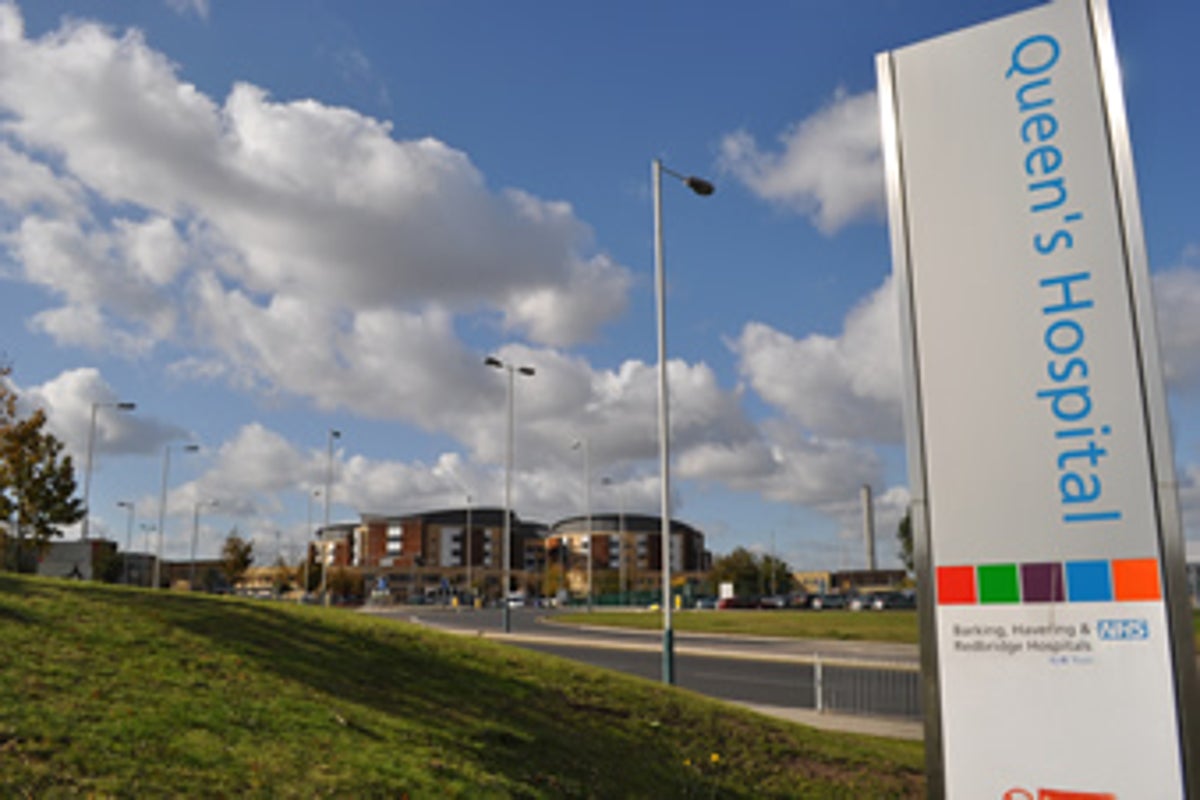
The child, who has complex behavioural disorders, spent more than 70 days in the A&E department at Queen’s Hospital in Romford, east London, while another stayed in the department for more than 30 days.
Both children had been in council-arranged care, such as foster homes, but their placements had broken down, with no one prepared to care for them.
Barking, Havering, and Redbridge University Hospitals Trust’s chief executive, Matthew Trainer, told the Health Service Journal that the cases were among the longest waits the trust had seen. In 2022, The Independent revealed that the trust had a child wait 26 days in A&E.
He said hospitals were being used as a “place of safety” for children and young people with mental health problems and challenging behavioural needs.
“This means several young people have experienced long waits for the right support in A&E,” he said. “It’s unacceptable and distressing for both patients and our staff, and something we’ve been discussing for several years.”
The trust’s board papers also raised concerns over the length of time mental health patients are waiting in its A&E.
According to papers published in March, the trust spends £6m each year on registered mental health nurses, additional health care assistants and security guards to look after those with mental health needs.
“They often wait too long in A&E, before being transferred to a mental health provider where their needs can be properly addressed,” the trust said.
The local commissioner, North East London Integrated Care Board, warned that children with autism are the largest cohort being admitted to A&E under a “mental health diagnosis”, which it said could be linked to pressures on local mental health services for children and adolescents and the growing number of children’s care homes in Havering.
Data for admissions showed the most common reasons for admissions to A&E departments among children and young adults with mental health conditions are “self-injurious behaviour, bizarre behaviour, anxiety, physical aggression and hallucinations”.
The board said: “A&E departments are increasingly being seen as a place of last resort for children who may have complex mental health needs, neurodiversity and behaviours that challenge, and their residential placement has broken down.
“There is currently an out-of-area-care experienced young person who has spent over 50 days in a side room at Queen’s Hospital A&E department, following a breakdown of his placement.”
The latest NHS data for February shows 3,511 mental health patients, out of 38,517, waited more than 24 hours in A&E across England.