
Home
»
AIRLINE NEWS
»
Qantas Confronts Rising Fuel Costs and Geopolitical Chaos: The Airline’s Game Plan for FY26 Revealed
Published on
April 14, 2026
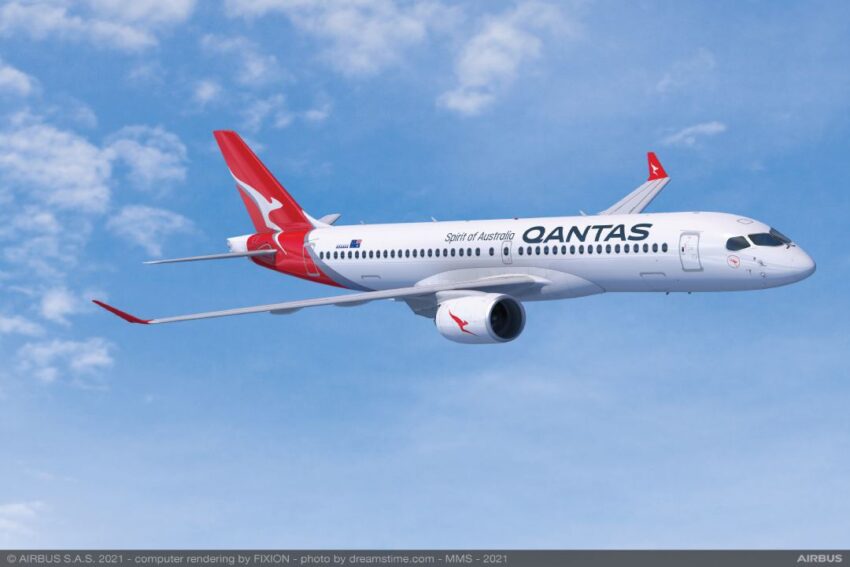
Image generated with Ai
As the Qantas Group faces an unprecedented challenge with the ongoing Middle Eastern conflict, it has issued a comprehensive update on its financial outlook for FY26. This includes adjustments in fuel costs, capacity changes, and the group’s response to rising global uncertainties. The airline continues to take proactive steps to manage the situation, ensuring minimal disruption to its services and maintaining its strong financial position.
Play News Now
TTW Audio Brief
Fuel Price Surge and Supply Chain Uncertainty
One of the most significant developments for the Qantas Group is the sharp increase in jet fuel prices. Since the release of the group’s FY26 outlook during the 1H26 financial results, jet fuel prices have surged more than twofold and remain in a volatile state. Despite hedging around 90% of its 2H26 exposure to crude oil prices, the Qantas Group remains highly exposed to fluctuations in jet refining margins. These margins have risen dramatically, from US$20 per barrel in February to a peak of US$120. As a result, the estimated fuel costs for the second half of FY26 are now projected to be between $3.1 billion and $3.3 billion. This increase places considerable strain on the airline’s financial outlook, making it essential for the group to explore various strategies to mitigate these costs.
While the situation is being closely monitored, Qantas has worked collaboratively with government authorities and jet fuel suppliers to ensure a stable fuel supply through the remainder of April and well into May. Despite this cooperation, uncertainty continues to loom over global fuel supply chains, necessitating a vigilant approach to managing fuel-related risks.
Actions to Mitigate Impact of the Conflict
Although the Qantas Group does not operate flights directly to the Middle East, the impact of the conflict has been felt globally, affecting the airline’s international network. To adapt to these disruptions, the group has implemented a range of measures aimed at protecting its customers and maintaining service levels. These measures include changes to its international network, adjustments in capacity, and strategic fare increases.
Advertisement
Advertisement
Qantas has also extended additional support to customers who had bookings with partner airlines affected by the ongoing crisis. Customers can now move their flights more flexibly or opt for refunds if necessary. As international demand remains strong, particularly for travel to Europe, Qantas has adjusted its capacity accordingly. The airline has redeployed flights from the US and domestic routes to bolster its services to high-demand destinations like Paris and Rome.
Domestic Capacity Adjustments and Reduced Forecast
In light of the continued volatility in fuel prices and the global economic situation, the Qantas Group has made the difficult decision to reduce domestic capacity for the final quarter of FY26. The reduction, set at approximately 5 percentage points, is part of the group’s broader strategy to adapt to changing market conditions while maintaining profitability. Customers affected by this adjustment are being contacted directly by the airline and offered alternatives, including the option to rebook on other flights or receive a full refund.
Advertisement
Advertisement
The impact on domestic travel is expected to be managed with minimal disruption, but the situation remains fluid. The group’s domestic operations remain resilient, with strong demand in key markets, even as fuel costs and economic conditions present challenges.
Revised Revenue Outlook: Stronger Growth in International Markets
Despite the challenges presented by rising fuel prices and geopolitical tensions, the Qantas Group is optimistic about its revenue growth in the second half of FY26. The group’s international unit revenue, or RASK (Revenue per Available Seat Kilometre), is now expected to increase by 4 to 6 percent. This represents a significant improvement over the previous RASK guidance, reflecting the strong demand for travel to Europe, particularly as passengers seek alternative routes to avoid the Middle East.
The group’s domestic unit revenue is also projected to grow at a steady rate of approximately 5 percent in 2H26. For the fourth quarter of FY26, domestic revenue is expected to rise by 6 percent, continuing to support the overall financial performance. With 50 percent of the revenue for 4Q26 already sold prior to the onset of the conflict, the Qantas Group is well-positioned to weather the current storm and achieve sustained growth in the latter half of FY26.
Financial Stability and Future Outlook
Amid the uncertain economic environment, the Qantas Group maintains a robust financial position in line with its established financial framework. The group remains on track to meet its capital expenditure target for FY26, with spending expected to be at the lower end of its previously guided range, approximately $4.1 billion.
In terms of dividends, the Qantas Group has confirmed the payment of a $300 million interim dividend, scheduled for April 15. This represents a dividend of 19.8 cents per share, reflecting the group’s ongoing commitment to returning value to shareholders. However, the planned $150 million on-market buyback has been postponed due to the current financial volatility.
Looking ahead, the Qantas Group expects its net debt to fall within its target range by June 30, 2026. This aligns with its ongoing commitment to maintaining a strong balance sheet, which positions the group for future growth and resilience.
Conclusion
The Qantas Group continues to face a challenging environment as it navigates rising fuel costs, adjustments to capacity, and the ongoing volatility in global markets. Despite these challenges, the airline has demonstrated adaptability and a strong commitment to customer service. By carefully managing its resources, reducing exposure to fuel price fluctuations, and focusing on profitable international routes, the Qantas Group remains on track to achieve a strong finish for FY26.
As the situation evolves, the group will continue to monitor global developments and adjust its strategies as necessary to protect its customers, shareholders, and employees. Given the uncertainty surrounding fuel prices and geopolitical tensions, the Qantas Group will provide further updates on its FY27 outlook at a later date, ensuring that stakeholders remain well-informed.
[Image Credit: Qantas Group]
Advertisement
Advertisement
