
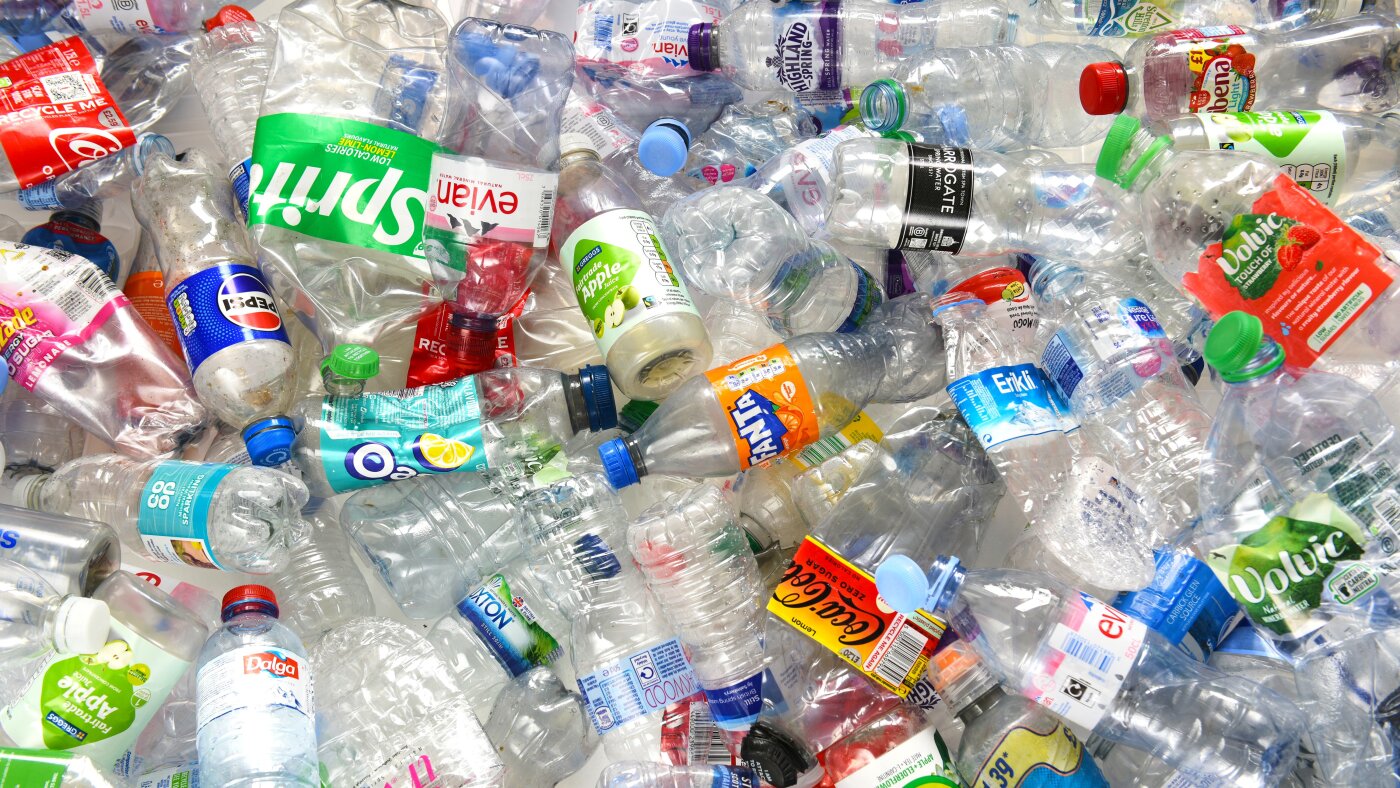
In the modern age, disposable plastics are practically inescapable. Is that due to consumer demand, or corporate profit?
Peter Dazeley/Getty Images
hide caption
toggle caption
Peter Dazeley/Getty Images
Why is plastic ubiquitous? The answer lies deep beneath the surface of the earth.
In her new book Plastic Inc., environmental journalist Beth Gardiner lays bare the key connection between plastics and the companies entwined with fossil fuels that make them.
The International Energy Agency projects that while the use of oil for fuel will soon begin falling, “the steady pace of growth for petrochemicals will not relent.” In fact, they predict that petrochemicals will be the largest single driver of oil-demand growth this decade.
Today on the show, we’re diving into the history of the multi-billion dollar industry that brought us plastic, their plans to create even more, and what could be done to turn the plastic tide.
Interested in more stories about the materials that make up our world? Email us your question at shortwave@npr.org.
Listen to every episode of Short Wave sponsor-free and support our work at NPR by signing up for Short Wave+ at plus.npr.org/shortwave.
Listen to Short Wave on Spotify and Apple Podcasts.
This episode was produced by Hannah Chinn and edited by Viet Le and Sarah Robbins. It was fact checked by Tyler Jones. The audio engineer was Ko Takasugi-Czernowin.