

Via Getty Images
A “perfect storm” of tree pollen and poor air quality is currently affecting nearly a quarter of the Irish population.
With April marking the start of peak allergy season in Ireland, health experts are warning people in Limerick that a combination of tree pollen and deteriorating air quality across Europe is creating a “perfect storm” for hay fever sufferers.
Speaking on the Limerick Today show, Limerick pharmacist and health advocate Sheena Mitchell of wondercare.i.e., highlighted that nearly 25% of the Irish population is currently being affected by seasonal allergens.
While the wet start to 2026 initially dampened pollen levels, Mitchell warned that recent heavy rainfall followed by wind has created a unique problem.
“When you get heavy rainfall, the pollen grains on the trees can rupture,” Mitchell explained. “This fragments the pollen into smaller, more allergenic particles which the wind then carries over long distances.”
Additionally, recent warnings from the Copernicus Atmosphere Monitoring Service indicate a dip in air quality across Ireland.
Mitchell noted that carbon pollution acts as a “fertiliser” for plants, boosting pollen production and contributing to the rising number of people being diagnosed with hay fever.
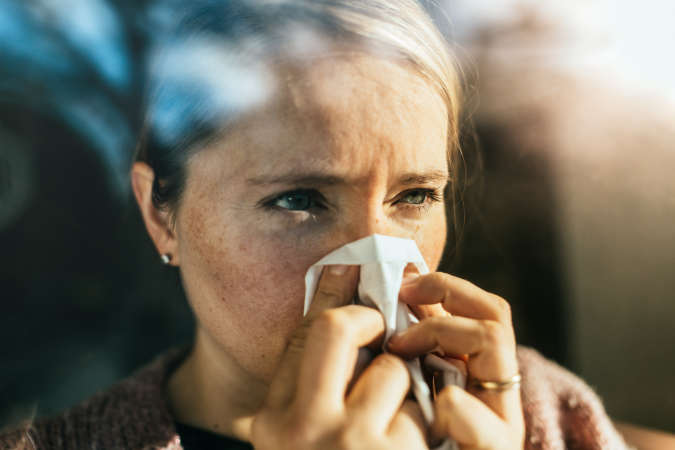
For those struggling with itchy eyes and sneezing, Mitchell recommends a “stepwise” approach to treatment and a focus on prevention.
She recommends keeping windows closed at home, avoiding hanging laundry outside, and having children shower or change clothes immediately after playing outdoors to prevent bringing pollen into the house.
Antihistamines remain the primary defence. Mitchell noted that Cetirizine is suitable for those aged two and up, while Fexofenadine is an option for those over 12.
Steroid nasal sprays and antihistamine eye drops can treat symptoms after they occur, while saline rinses help clear pollen from the nose.
Honey can act as a mild form of immunotherapy, and “salt therapy”, whether through specialised machines or a walk by the seaside, can help clear respiratory passages.
Mitchell urged listeners not to ignore persistent pain. If a sufferer feels significant pressure or pain behind the nose and eyes that antihistamines won’t touch, it may be a sinus infection rather than an allergy, requiring a GP visit.
For those with severe, life-altering allergies, Mitchell highlighted the availability of newer immunotherapies. These treatments, some of which are covered under the Drugs Payment Scheme, involve taking a daily tablet for three to five years to gradually desensitise the body to specific allergens like grass.
“There is a lot you can do,” Mitchell concluded. “Prevention is key, but if symptoms persist, there are now more advanced medical options available than ever before.”