
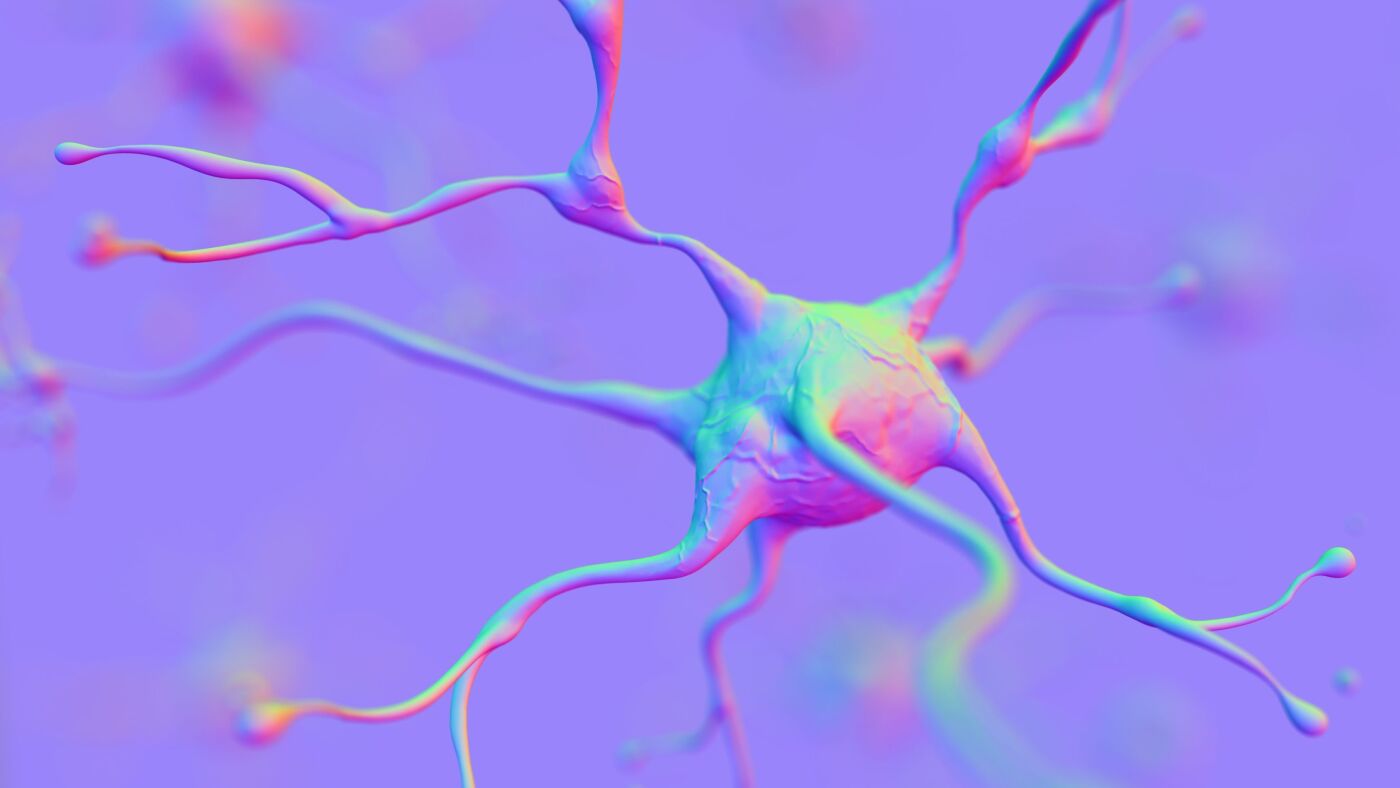
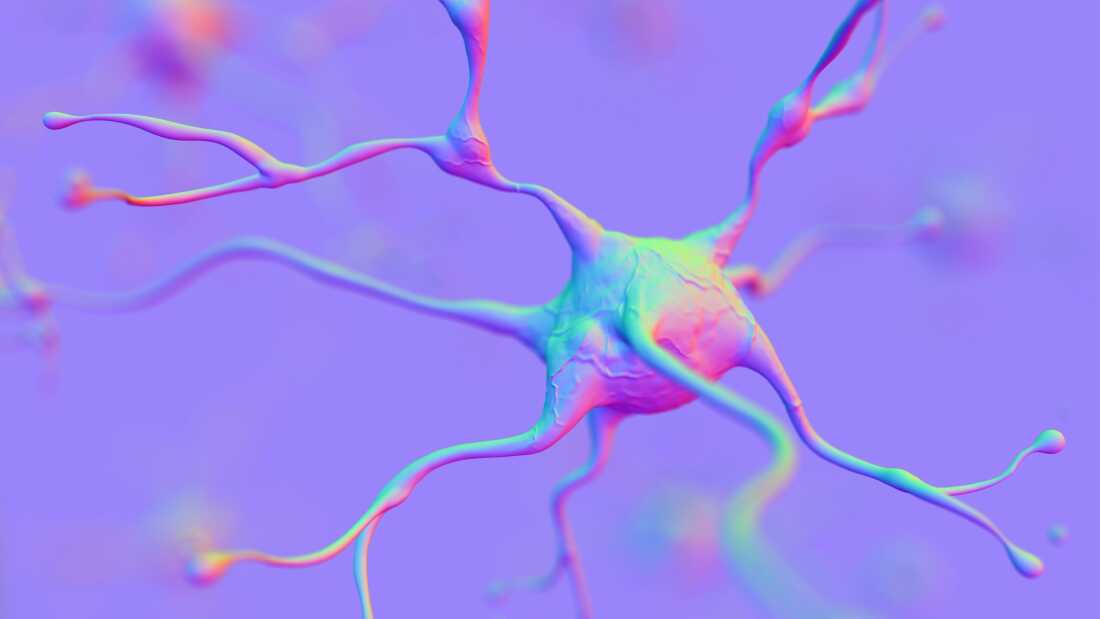
Studying the interactions between individual neurons could help researchers study stroke.
Andriy Onufriyenko/Getty Images
hide caption
toggle caption
Andriy Onufriyenko/Getty Images
Neuroscientist Paul Nuyujukian likens the brain to a stadium full of people.
To eavesdrop on the crowd you could put a microphone in the middle of the stadium. But to understand the conversations you need to record individual people. He thinks about the brain the same way.
To understand brain disease, he studies neurons—one at a time. And his insights are shedding light on a big global issue—stroke.
The World Health Organization predicts one in four adults will have a stroke in their lifetime. Strokes can cause death, or lead to paralysis or speech problems. But there’s still a lot researchers don’t know about how the brain recovers from an event like a stroke.
Nuyujukian directs a lab at Stanford University that studies how the brain controls movement, including after neurological events like stroke.
We get into how he does this, and why he hopes his research could eventually help people who’ve been paralyzed.
Email us your questions about the brain – or anything else to do with science at shortwave@npr.org. We may turn it into an episode in the future!
Listen to every episode of Short Wave sponsor-free and support our work at NPR by signing up for Short Wave+ at plus.npr.org/shortwave.
Listen to Short Wave on Spotify and Apple Podcasts.
This episode was produced by Rachel Carlson. It was edited by Berly McCoy. Tyler Jones checked the facts. The audio engineer was Ko Takasugi-Czernowin.