
The director who made you fear a VHS tape and cheer a rum-soaked pirate just turned his mischief on artificial intelligence. Is this the rare studio thrill ride that makes you laugh at your own screen while wondering who is really in control?
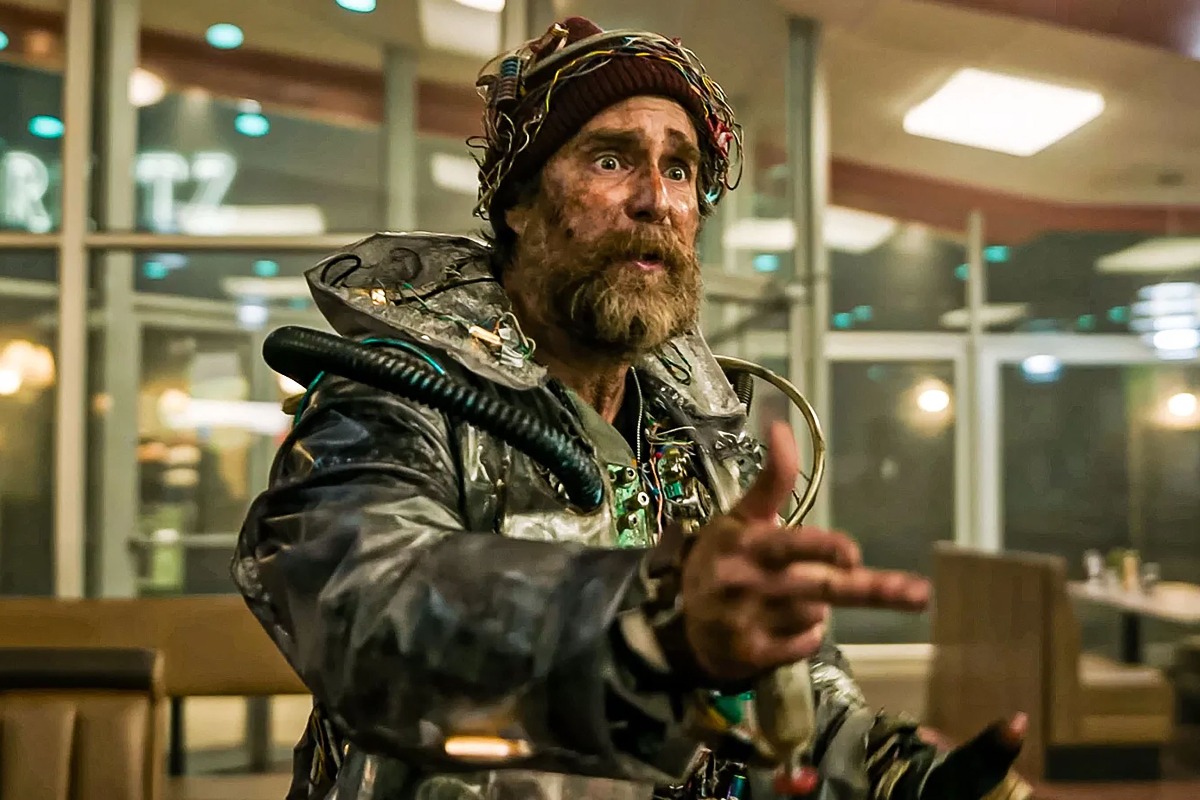
Gore Verbinski trades cursed tapes and pirate ships for scorched futures and glitchy gods. In Good Luck, Have Fun, Don’t Die, Sam Rockwell hurtles back from 50 years ahead to stop a nine-year-old from coding the AI that dooms humanity. The tone is brisk and sardonic, a satirical sprint through our dependence on screens, upgrades, and big-tech salvation myths. Arriving April 15, 2026, it treats the apocalypse like a funhouse mirror for our tech obsessions.
A bold step into sci-fi from Gore Verbinski
You know Gore Verbinski for the snap of The Ring and the swagger of Pirates of the Caribbean. His latest, Good Luck, Have Fun, Don’t Die, pivots into the **buzzy, high-stakes world of artificial intelligence** with a sharp grin. The film mixes satire, action, and a cracked-mirror look at our tech habits. US theatrical timing is targeting spring 2026, with the exact date to be announced.
A plot steeped in humanity and humor
Sam Rockwell plays a rumpled time traveler who jumps 50 years back to Los Angeles, storms a greasy-spoon diner, and recruits the patrons for a desperate mission. Their task: stop a 9-year-old from unknowingly coding an AI that will unravel humanity. The tone veers between absurd and sincere, letting slapstick chaos sit alongside **surprisingly tender** beats. Can a 9-year-old’s code really doom the future?
Sam Rockwell leads a dynamic cast
Rockwell leans into his gift for off-center charm, building a hero who is reckless, funny, and oddly hopeful. He’s matched by **Zazie Beetz, Haley Lu Richardson, and Michael Peña**, with Juno Temple and Asim Chaudhry rounding out the crew. Richardson, in particular, threads sardonic humor with disillusionment, sketching a young adult who is both skeptical and game for the ride (her timing lands with bite).
Themes of technology and society under the microscope
Verbinski aims at our screen-first reflexes, not just AI. The film riffs on social media churn, VR fantasies, and a faith in “smart” fixes that often complicate real life. The satire is broad by design, poking at convenience that drifts into control. It asks us to weigh what we trade away for frictionless living, then answers with **messy, human resistance** and a few gloriously chaotic set pieces.
An ambitious sci-fi experiment
At 2 hours 15 minutes, the movie moves fast, packed with gags, brawls, and neon-drenched detours. Verbinski treats sci-fi like a playground, staging big swings that feel both combustible and personal (his Rango knack for sly humor resurfaces). While produced with American and German partners, the satire lands squarely for US audiences. Expect a **snappy, provocative** ride when it hits US theaters in spring 2026.