

Published April 17, 2026 • By Staff
A survey of more than 6,000 patients over age 50 confirmed the association for all hormone types—estrogen, progesterone and combinations—despite considering connected health factors.
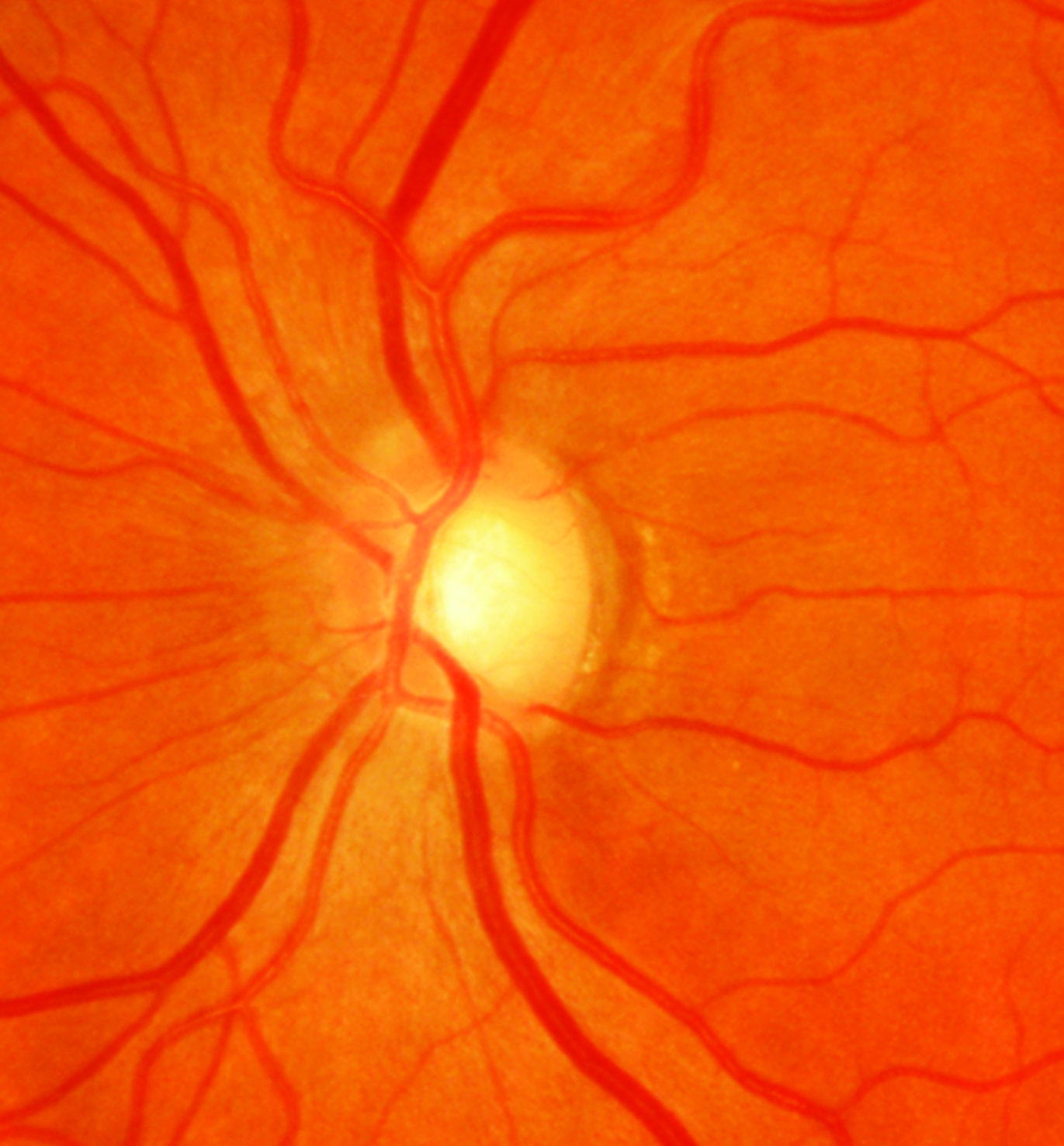
Past studies have indicated that estrogen-only HRT provides neuroprotective effects against glaucoma, in contradiction to this study’s findings that all HRT methods increase the risk of all glaucoma types. Photo: Michael Chaglasian, OD. Click image to enlarge.
Postmenopausal hormonal replacement therapy (HRT) raised the risk of glaucoma among women aged 50 years and older in a Finnish study published in Acta Ophthalmologica. The researchers drew data from national health registers to examine glaucoma incidence through the start of special reimbursement for glaucoma medications or related procedures. The team focused on postmenopausal women who had no prior glaucoma diagnosis or surgery.
The researchers began with a group of 398,708 women aged 50 and above. They applied strict exclusions for prior glaucoma care and formed a final study group of 6,576 women. A total of 1,096 women in the study developed incident glaucoma between 2015 and 2017 and served as cases. The researchers matched each case to five controls of the same age, which resulted in 5,480 controls. Median age reached 75.5 in both groups. Roughly 48% of controls and 46% of cases had diabetes. A total of 57.5% in each group were retired women who came from various socioeconomic backgrounds. The study’s authors adjusted for each of these factors, as well as statin exposure, hospital location, and presence of diabetes.
They then assessed HRT exposure through prescription data over the 20 years before the study took place, noting that “HRT exposure was assumed if at least two prescriptions per year were redeemed” for estrogens, progestogens or combined products.
After adjustment, all forms of HRT were linked to higher glaucoma risk. Estrogen-only users showed an adjusted odds ratio (OR) of 1.33, progesterone-only users showed 1.25 OR and combined-product users showed an OR of 1.19. In the primary open-angle glaucoma subgroup (comprising 654 cases and 3,270 controls), the risk stayed elevated for estrogen-only therapy. Longer exposure to estrogen was tied to even higher risk when the researchers examined exposure year by year. However, the authors concluded by calling for more research to confirm these associations.
Click here for the journal source.
This article was developed by the editorial staff in conjunction with experts in the field. In the process, AI may have been among the editorial tools used to meet the goals of human editors, who approved all content.