
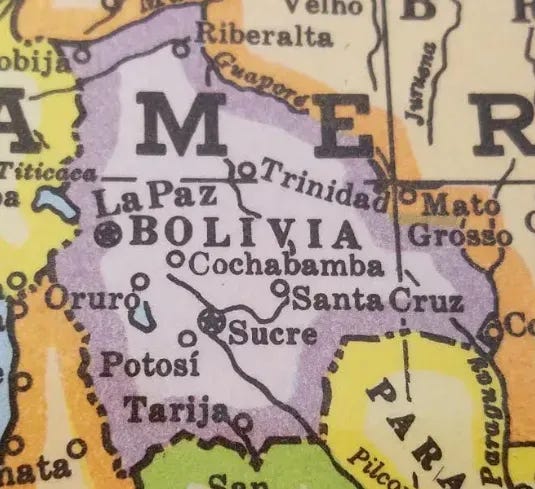
Authorities in the eastern department of Santa Cruz—Bolivia’s most populous region—declared a “health alert” this Wednesday following a yellow fever outbreak that has so far claimed one life, prompting the activation of preventive measures to contain the disease’s spread.
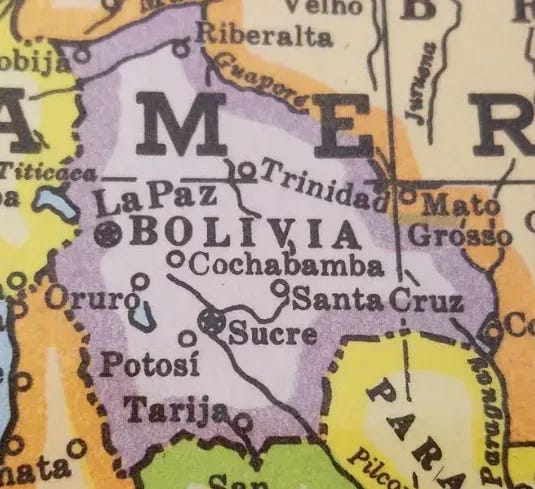 Image/Robert Herriman
Carlos Hurtado, Head of Epidemiology for the Santa Cruz Departmental Health Service (Sedes), stated that the outbreak originated in Cordillera province, which borders Paraguay, and resulted in the death of a 20-year-old man who had been ill for three days “due to complications.”
Hurtado also confirmed a second case “in the same area,” while another individual remains under medical observation as a suspected case of the disease.
Furthermore, he mentioned that immediately upon learning of the first infection, an epidemiological surveillance team was deployed to collect mosquito larvae and adult mosquitoes in both rural and urban areas within the Kapeirenda-Aguas Calientes sector of Cordillera province.
This was followed by additional preventive measures, including fumigation, mass vaccination of the population against yellow fever, and the containment of the epidemiological focal point.
Yellow fever in Venezuela, prompts travel advisory
Yellow fever is a severe viral disease with jaundice and hemorrhagic manifestations that is spread through the bites of infected mosquitoes.
Yellow fever vaccine is the best protection against this disease. Preventing mosquito bites is also important.
Symptoms of yellow fever include fever, chills, headache, backache, and muscle aches, and develop 3–6 days after infection. About 15% of people infected with yellow fever virus will develop severe illness that can lead to liver disease, bleeding, shock, organ failure, yellowing skin and eyes (jaundice), and sometimes death.
Diagnosis is based on symptoms and laboratory testing. There are no medications to treat or cure yellow fever.