
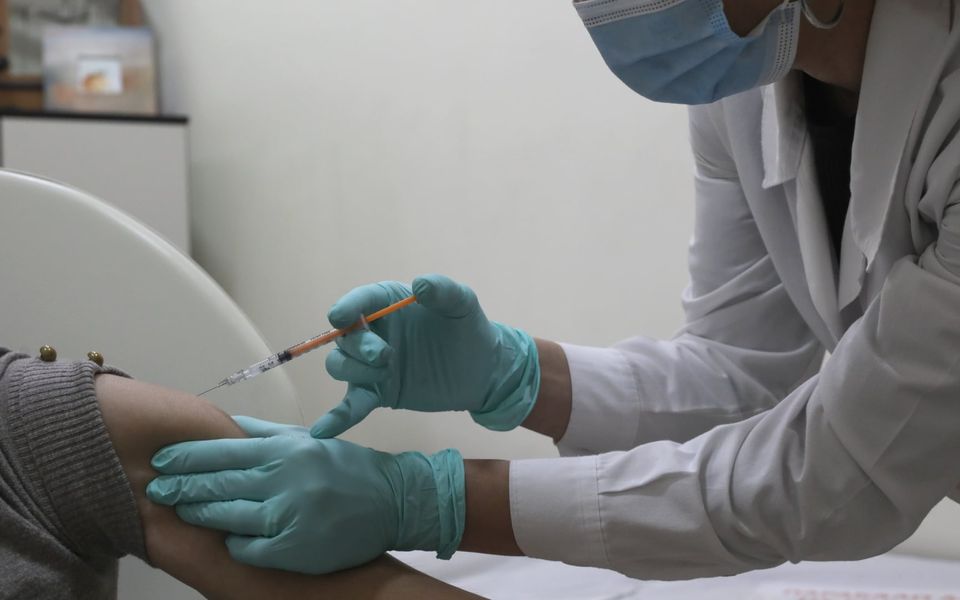
More than 150 million lives worldwide have been saved over the past 50 years thanks to vaccines, according to public health authorities, underscoring their central role in preventing disease and death.
Vaccines today provide protection against more than 30 infections and life threatening diseases, while newer vaccines targeting malaria, HPV, cholera, dengue, meningitis and RSV are expanding that protection across all stages of life.
Greece’s National Public Health Organization presented guidance on essential vaccinations for each age group and vulnerable populations, emphasizing that immunization is not limited to childhood but extends throughout life.
This did not happen by chance. It happened because ordinary people decided to protect themselves, their children and their communities from diseases such as measles, diphtheria, pertussis, polio and rotavirus.
The World Health Organization urged continued commitment during European Immunization Week, stating, “Let us show the world that some family traditions are worth passing on.”
The campaign, running from April 19 to 25, carries the message that for every generation, vaccines are effective and safe, aiming to remind the public that vaccines have safely protected people for more than 200 years.
Health officials say the reminder is necessary, noting measles outbreaks in 2024 and 2025 in several European Union countries, including Romania, Italy, Germany and Belgium, while routine childhood vaccinations declined during the pandemic.
Coverage improved toward the end of the pandemic and afterward, but intensive care units continue to admit unvaccinated influenza patients each winter, and few people now receive Covid vaccines.
The initiative also aims to equip health professionals with tools to clearly communicate vaccine information, helping individuals with hesitations make informed decisions about immunization.
In early childhood, vaccines are primarily administered within the first two years to protect against diseases including hepatitis B, measles, mumps, rubella and tetanus, as young immune systems are still developing.
Booster doses in adolescence maintain immunity, while vaccinations during pregnancy protect both mother and infant by transferring antibodies, and adults and older people benefit from continued protection against infections such as influenza and pneumonia.
Officials stress that vaccination is a right for all, and vulnerable groups, including Roma communities, refugees, migrants and mobile populations, should have equal access to protection against infectious diseases worldwide today.