
A new analysis has revealed that Roman painters in a Roman house in present-day Cartagena used a previously undocumented layered technique to preserve costly red pigments while reducing the required amount.
The finding reframes these vivid wall paintings as evidence of deliberate material control rather than simple displays of wealth.
Preservation of painting strategy

In a preserved room within a Roman house in present-day Cartagena, in southeastern Spain, the red panels retain the layered structure behind their enduring color.
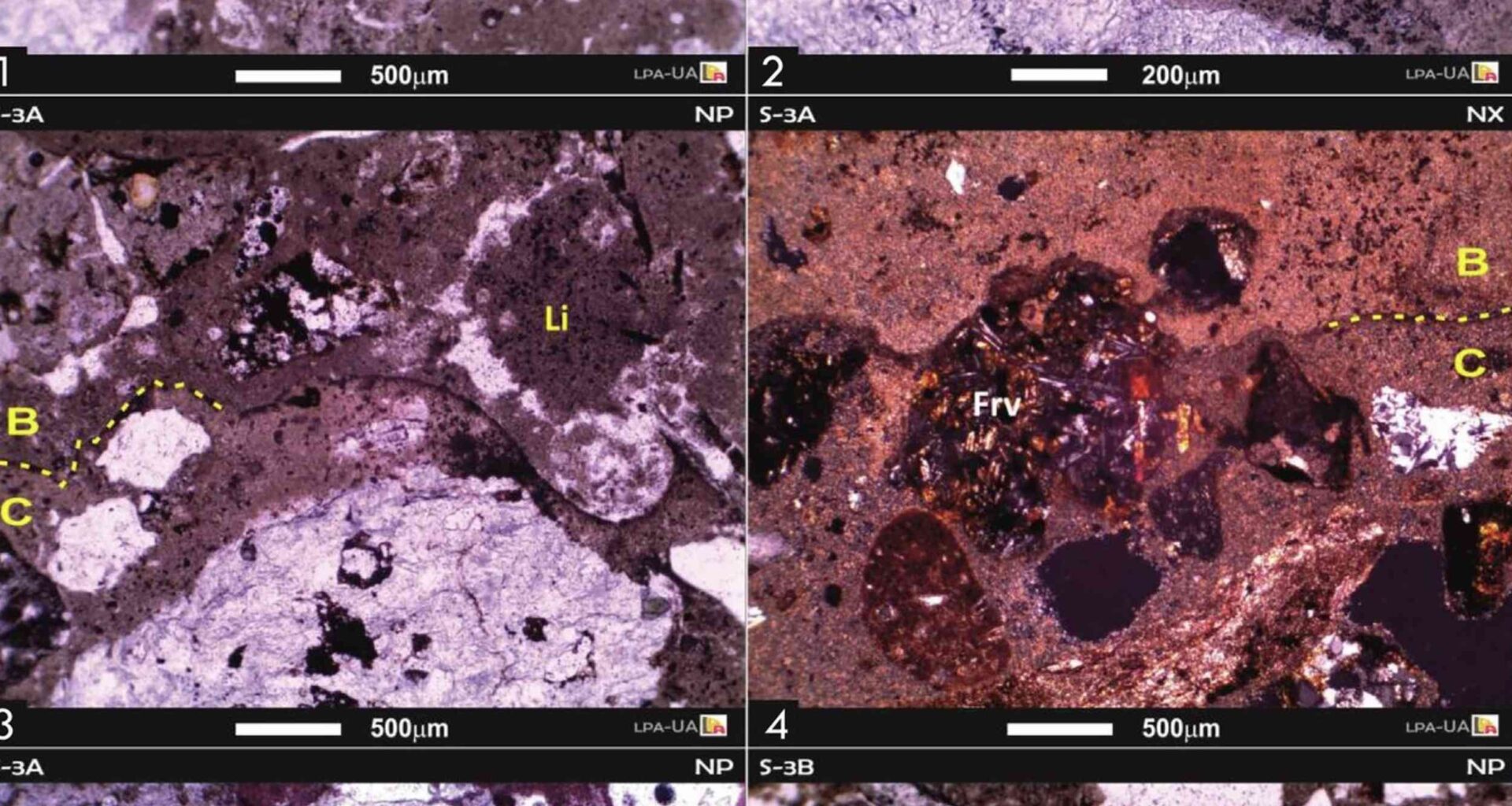
Examining those layers, Daniel Cosano Hidalgo, a chemist at the University of Cordoba (UCO), identified a yellow base beneath the red that records the pigment build-up.
That arrangement shows the red was not applied directly to plaster but constructed through a controlled sequence that balanced visual intensity with material limits.
This layered system points to a deliberate solution to both cost and durability, furthering the questions as to how the red itself was engineered.
Roman balance of wealth and efficiency
Beneath the room’s richest panels sat a bargain: red iron oxide mixed with cinnabar, a rare mineral that produces a vivid red color once prized as “red gold.”
Used this way, the mixture preserved cinnabar’s strong color while using less of the costly mineral, a tactic known in Roman workshops.
Because clients had to supply cinnabar, the final red still signaled wealth even when painters quietly cut corners.
Cost alone does not explain the wall, though, and the next layer showed why these painters were thinking ahead.
The unseen layer beneath vivid red walls
Below the bright red sat a yellow earth pigment, spread first as a warm base coat. That yellow layer likely buffered the top paint from the lime-rich wall, reducing the chemical stress that darkens cinnabar.
“Cinnabar tends to blacken when exposed to light, moisture, and caustic environments,” wrote Hidalgo and his co-authors.
By priming the wall first, the craftsmen were not just saving pigment, they were trying to keep the red alive.
Color as architectural storytelling
Elsewhere, the room carried white lime, black charcoal, yellow ochre, green pigment, and traces of Egyptian blue, the earliest human-made blue pigment.
Painters blended that blue into green areas, which could brighten a dull mineral and push the color toward turquoise.
Season figures and imitation marble slabs made the 16-by-26-foot dining room feel expensive without covering every surface in luxury pigment.
That broader palette mattered because the red recipe worked for a whole design built to project taste and rank.
Local materials to luxury surfaces
Under the paint, the wall itself carried another clue: four plaster layers built from nearby stone and sand.
Minerals in the mortar matched local sources around Cartagena, in southeastern Spain, showing that painters worked with materials close at hand.
Ground ceramic in the lower layers likely helped resist moisture, while marble fragments signaled careful preparation rather than rough construction.
The room’s beauty, then, depended on ordinary regional matter shaped with unusual care, rather than imported material at every step.
Binding color into wet plaster
Color also bonded to the wall in fresco, paint fixed as wet lime hardened into a durable skin.
Because the pigments entered damp plaster, many hues became part of the wall itself instead of resting loosely on top.
Both paint layers still carried lime, evidence that painters planned the sequence before the plaster dried.
Such timing demanded speed and control, which helps explain why the solution looks more like workshop knowledge than improvisation.
The blackening of cinnabar
Time also exposed the gamble built into bright red mineral paint, because light and moisture could darken the color.
Laboratory work on cinnabar alteration shows that light, humidity, and salts can damage its surface chemistry and alter the color.
Black spots on some Cartagena fragments point to that risk, although collapse, burial, and later exposure may each have played a part.
The yellow base therefore looks less like ornament and more like insurance against a pigment that was famous for betraying painters.
Evidence of shared artistic practices
Across Roman Spain, this exact red sequence appears to have been exceptionally rare, with only one close match from Ephesus, an ancient site in western Turkey.
Seen that way, the Ephesus parallel hints that painters may have shared recipes through traveling workshops, copied notes, or long-lived craft habits.
Cartagena’s find also extends local use of cinnabar later than archaeologists had documented, despite signs of economic decline in the city.
Wealth still mattered, but the walls now point to knowledge being shared across the empire.
Ancient workshop knowledge
Chemical clues and excavation records finally met in the same room, letting researchers read decoration, trade, and craft choices together.
Microscopes tracked the order of layers, while site records tied each fragment to panels, borders, and painted figures.
Working with archaeologists from the University of Murcia, the UCO chemists could test whether beauty came from money alone.
This partnership turns a damaged wall into strong evidence for how Roman workshops planned labor, materials, and visual effect.
The engineering of visual strategy
A room buried for centuries now shows that Roman painting could blend thrift, chemistry, and status into one controlled surface.
More finds from Cartagena and other sites may reveal whether this was a local specialty or part of a wider craft tradition.
The study is published in npj Heritage Science
—–
Like what you read? Subscribe to our newsletter for engaging articles, exclusive content, and the latest updates.
Check us out on EarthSnap, a free app brought to you by Eric Ralls and Earth.com.
Image Credit: Scientific Source
—–