

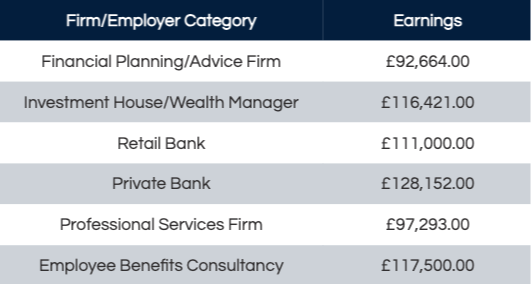
Advisers working in private banks top the earnings table as they have access to higher value clients.
According to the most recent BWD census, private bank advisers earned £128,152 per year on average, 38 per cent more than the average adviser in a financial planning firm.
This was likely down to a combination of fewer roles available and access to higher-value clients, which supports stronger revenue generation per adviser, said BWD.
It also pointed to differences between the earnings of employed and self-employed advisers, as well as how quickly those earnings had grown.
Employed financial advisers and planners currently earn an average of £98,644, up from £85,947 last year – an increase of 14.77 per cent.
Self-employed adviser also saw their earnings grow, but less quickly at 4.93 per cent.
However these advisers were earning 6 per cent more than their employed counterparts, at £104,515.
BWD said given the additional risk of a zero-salary model and lack of benefits, the financial upside appeared relatively modest.
© BWD Census
The census found that over the past year, while salaries for advisers increased by 8.37 per cent to reach £77,251, there was a bigger change in bonuses.
The average bonus has increased by more than 45 per cent to £21,424.
When employed advisers were asked if they expected their bonus to change basis in 2026, 84 per cent said no.
When respondents were asked how they expected their earnings to move over the next year, 69 per cent expect an increase, with very few expecting a drop.
However, BWD pointed out most respondents completed their census forms before the current conflict in the Middle East.
James Wood, director, wealth management at BWD Census, said: “This year’s census reflects a robust profession in a good place.
“Aside from a significant increase in adviser earnings, positive improvements are observed regarding the gender imbalance, and a reduction in average adviser age shows efforts to bring new talent into the industry are starting to pay dividends.”
Gender balance and age
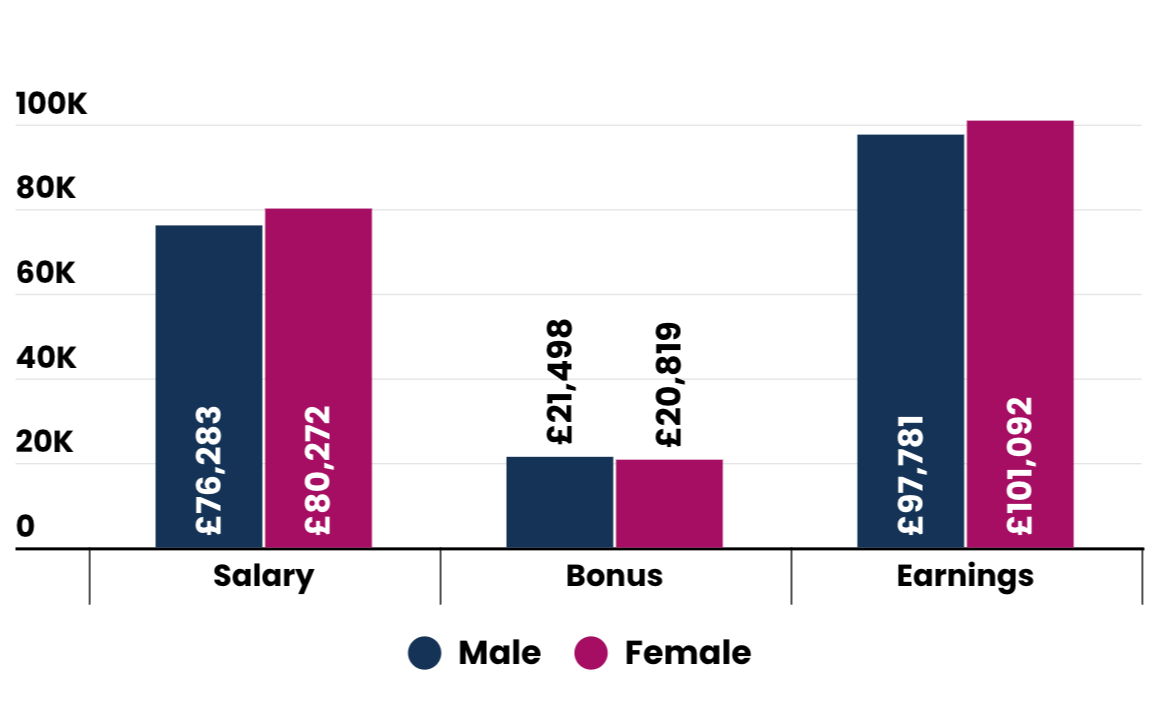
For employed advisers, BWD found a negative gender gap, with female advisers earning 3.4 per cent more than male advisers.
BWD said 19 per cent of advisers in the census were female and that they saw scope for this percentage to increase further.
But while salaries for females were outstripping those of male advisers, for bonuses male advisers did marginally better.
© BWD Census
Elsewhere, advisers aged 50-60 had the highest level of earnings at more than £121,000.
They were followed by the 40-50 bracket which earned £110,041.
Younger advisers aged between 20-30 earned £66,483 on average, according to the census.
Advisers who are directly authorised earned more than 36 per cent more than advisers who operate within a network (£74,184 vs £100,903), although being directly authorised comes with higher compliance costs.
The census found one of advisers’ biggest challenges was around business development, but others also pointed to artificial intelligence.
The census said: “AI has risen in the last few years to be a top of mind issue – almost replacing technology as a catch all term.”
Wood added: “There is both concern and excitement, in equal measure, about the opportunities created by AI. However, the primary concern for many is an age-old one, that of business development.
“Interestingly, this sits alongside a more structural challenge: adviser capacity. Firms are balancing the need to grow with the reality that many advisers are already operating at, or close to, full capacity.
“In summary, accepting the recent market turmoil, and current geopolitical landscape, the report shows there is a lot to be positive about for those within financial planning”
amy.austin@ft.com