
The European Union has proposed measures such as holding stockpiles of jet fuel and cutting energy taxes to navigate the Iran war-driven crisis that it said could reverberate for years.
AccelerateEU – announced by the European Commission on Wednesday – gives member states the tools to curb energy prices and address potential fuel shortages, without undermining the bloc’s climate ambitions or triggering damaging competition between nations. A longer-term objective is to electrify the economy to get rid of dependencies and avert future fossil fuel shocks.
While the situation is currently less acute for the EU than the crisis that followed Russia’s invasion of Ukraine – which sent gas prices skyrocketing – it threatens to be more far reaching in terms of the commodities affected and the impact on the global economy. Already governments across the bloc have taken action to minimise the impact of rising prices on citizens and business.
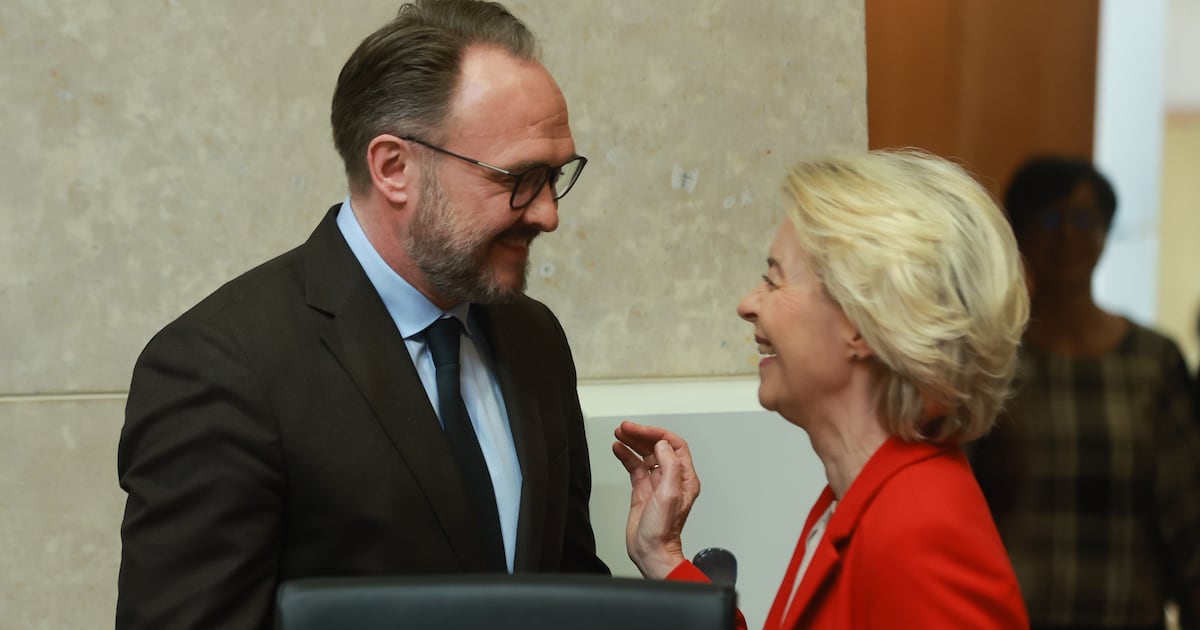
“We are looking into some very difficult months, or maybe even years, depending, of course, on the developments in the Middle East,” EU energy commissioner Dan Jorgensen told a press conference in Brussels. The crisis “is probably as serious as the 1973 and the 2022 crisis combined,” he added.
Concerns over the bloc’s declining competitiveness with China and the US have helped push energy prices to the top of the EU’s political agenda. While the EU has limited reliance on energy supplies from the Middle East, its overall dependence on fossil fuel imports makes it susceptible to price shocks.
Benchmark European gas rose 1.8 per cent on Wednesday as US president Donald Trump indefinitely extended a ceasefire with Iran after the two sides failed to meet for more peace talks. Gas has gained 34 per cent since the conflict started, while Brent crude has jumped 37 per cent.
[ NI consumers could face ‘tsunami’ of high energy prices if Iran warn drags onOpens in new window ]
“We are extremely eager to try and set in place policies that not only help us target and address the present price crisis, but also prevent that we will have an actual security of supply crisis in the future,” Jorgensen said. Whether the latter becomes a reality “depends on the duration of the crisis”, he added.
Under the plan, the commission will put forward measures as early as next month to “optimise” jet fuel distribution among member states, potentially redistributing it based on regional needs and shortages. The commission is ready to propose changes to existing rules if shortages emerge.
International Energy Agency estimates that the bloc may be facing serious supply issues within five or six weeks have “to be taken very seriously,” Jorgensen said.
The EU’s executive arm will also co-ordinate the filling of gas storage among member states over the summer, reiterating the existing flexibilities in legislation.
Longer term, the EU is looking to double down on electrifying the economy to loosen the grip that fossil fuels hold on the wider energy system. That is in line with the bloc’s goal of reducing emissions by 90 per cent by 2040 compared with 1990 levels.
In the coming months, it will come forward with an electrification strategy and legislative proposals to ensure that power is taxed less than oil and gas.
EU leaders are set to discuss the plan at a meeting in Cyprus over the next two days. The commission will also present a catalogue of demand-reduction measures before an informal meeting of ministers next month. To date, the Iran war has increased the EU’s fossil fuel bill by €24 billion.
After the invasion of Ukraine, the EU weaned itself off Russian gas, yet in many cases swapped it for supplies from other countries, such as the US. That has left the Continent exposed to global fossil fuel markets, where it has to compete with Asia for scarce supplies as the Strait of Hormuz remains effectively shut. – Bloomberg