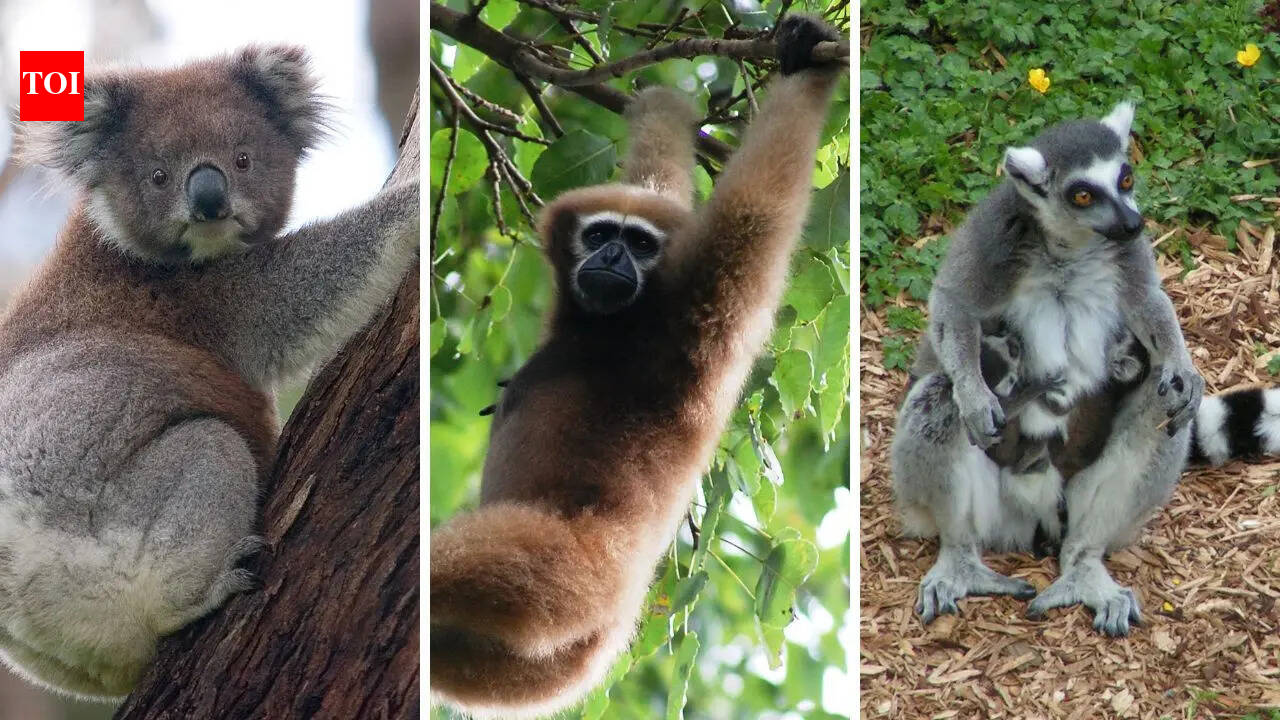
Although we commonly think of opposable thumbs being associated with humans due to how we use them for dexterity and tool-making, this is not the only example of evolution having created opposable thumbs. Several other species besides primates have developed a wide variety of specialised grasping mechanisms due to evolving from different species of animals, such as marsupials in Australia, nocturnal primates in Asia and amphibians in South America. These animals have learned to use their opposable thumbs to create tools, climb up trees to get food and hold onto their food while they eat; thus, the ability to grasp is an important part of their ability to survive. Discovering how each species is able to use its opposable digits to survive in its many different and complex habitats is the main purpose of studying these animals and understanding how they adapt to their environment.