

The post How Birds and Foxes Are Helping Scientists Detect Antibiotic Resistance Before It Spreads appeared first on A-Z Animals.
A study recently published in the journal Frontiers in Microbiology may be changing the way we detect antibiotic resistance. The research shows how the fecal matter of certain species, such as birds and foxes, provides microscopic clues. Scientists can use these to monitor antibiotic-resistant bacteria and viruses, which could change the landscape of infectious diseases.
This is not the first case of wildlife serving as the first line of defense against diseases in humans. Dragonflies are used to detect mercury in water systems, serving as an early-warning indicator. Fish are also telltale indicators of bacteria and heavy metals in our waterways. And now, birds and foxes are the most recent to join that list.
Fecal Matter Is an Early Detection System
According to the study, nearly 500 fecal samples from birds and foxes were analyzed. Red foxes, crows, magpies, and water birds were included in this study. The diversity in species allowed scientists to monitor how antibiotic resistance travels across land, water, and air. They tested for Klebsiella spp. and K. pneumoniae, which are typically opportunistic and often mutate. Both are known to be resistant to milder antibiotics and pose significant problems for individuals with compromised immune systems.

Foxes may unintentionally transmit diseases across territory as they defecate.
©Michele Aldeghi/Shutterstock.com
Of the samples collected, 32 contained Klebsiella spp., and 2% contained K. pneumoniae. According to Dr. Mauro Conter, an associate professor in the Department of Veterinary Medical Sciences at the University of Parma, even this percentage is significant. This implies that environmental clones, which can be transmitted through contaminated water, put humans at a higher risk of contracting the bacteria.
The Results Tell Us How to Fix the Problem
The results of this study offer insight into our environmental conditions. Red foxes are most likely to spread short-range AMR (antimicrobial resistance) across land, while birds spread it via the air and the water. The presence of any of these strains in our environment is a red flag, indicating either human activity or another environmental risk. In this case, it is human activity.
To help limit the spread of antibiotic-resistant strains, experts recommend enhanced surveillance and improved treatment processes at wastewater and sewage plants. Antibiotic pollution is a significant risk not only to wildlife but also to the soil it seeps into. As antibiotics enter our ecosystems, bacteria and viruses may mutate and become more resistant to treatments that once worked. The same principle applies to antibiotics used in livestock, which enter the soil through fecal matter.
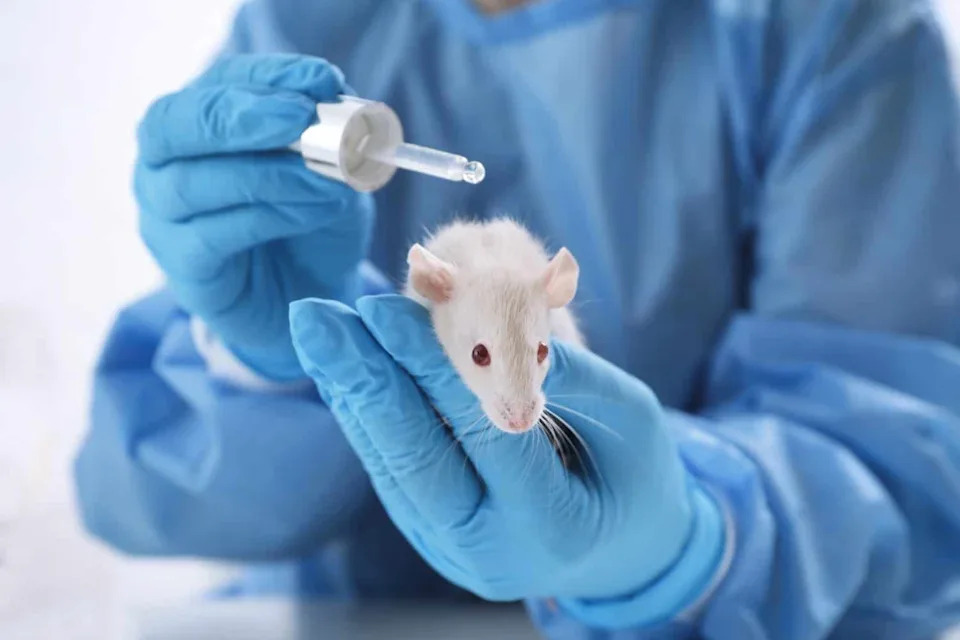
These AMR clones indicate that strains found in the wild can mimic clinical antimicrobial resistance.
©New Africa/Shutterstock.com
While these study findings are concerning, experts note that implementing the recommended next steps is challenging. Given the limited direct evidence of transmission from wildlife to humans, additional clinical and epidemiological studies are needed to clarify these pathways. This is an expensive process with many variables. For now, the study demonstrates that environmental monitoring of AMR is essential.
The post How Birds and Foxes Are Helping Scientists Detect Antibiotic Resistance Before It Spreads appeared first on A-Z Animals.