
And they were also told why 70 can be the new 50.
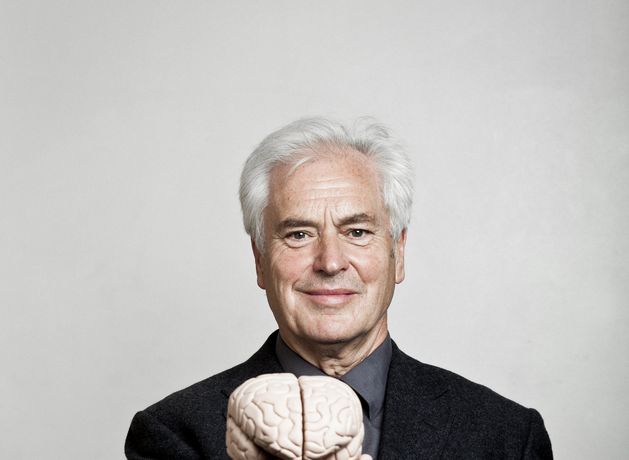
Neuroscientist Prof Ian Robertson, Prof Emeritus of Psychology in Trinity College, said our mindset and how we view ageing can have a profound effect on how we function as we enter our fifties and beyond.
He told the annual general meeting of the Irish College of General Practitioners in Dublin about data gained by TILDA, the Trinity College tracking survey on ageing.
It found that “people who had negative expectations on ageing walked significantly slower two years later” versus those who had a positive view.
It showed significant reduction in cognitive flexibility – affecting their thinking – and they had a slight decrease in social activity.
A 35 year old who has back pain sees it as reversible but a 75 year old can view it as due to their age.
He said he is not ‘Pollyanna’ about ageing but a lot depends on a person’s own attitude.
People who are older can think forgetting a person’s name is an early sign of dementia but people in their 30s would not be bothered, he added.
“If you start worrying about your memory and thinking about your memory – it is equivalent to thinking about your feet as you walk downstairs and that produces anxiety,” he said.
Anxiety affects memory biologically and psychologically, using up more memory space.
The reality is that although the prevalence of dementia in Ireland is increasing due a greater number of people living longer the incidence has not, he told the gathering of family doctors.
He said it is very important we examine our own personal view on ageing and the mental models we have.
If you are 60 years old today you are less likely to develop dementia that a counterpart twenty years ago, Prof Robertson added.
One study of 41 countries by the International Monetary Fund found the cognitive performance of a 70 year old in 2020 is the same as that of a 53 year old in 2000.
Early retirement may be the norm in countries like Italy and France but it may not be healthy, he added.
Retirees may be playing boules and sitting coffee in the piazza in Italy but their memory function can be significantly lower than 65 year olds in Florida or in Ireland.
There are two key drivers in managing getting old – “effort and purpose”.
He said if people are still working they must make the effort to get up and get going rather than stay in bed.
It is not all about work and it may involve making effort to help others or even sorting out a community committee they are part of.
Doing something with effort is intrinsically more rewarding than doing something without effort.
“We must ensure we don’t become lazy – it is too easy to become lazy,” Prof Robertson said.
He added that the other driver is purpose and this is linked to effort.
“We must not confuse disease with age. It is not a disease,” he added.