
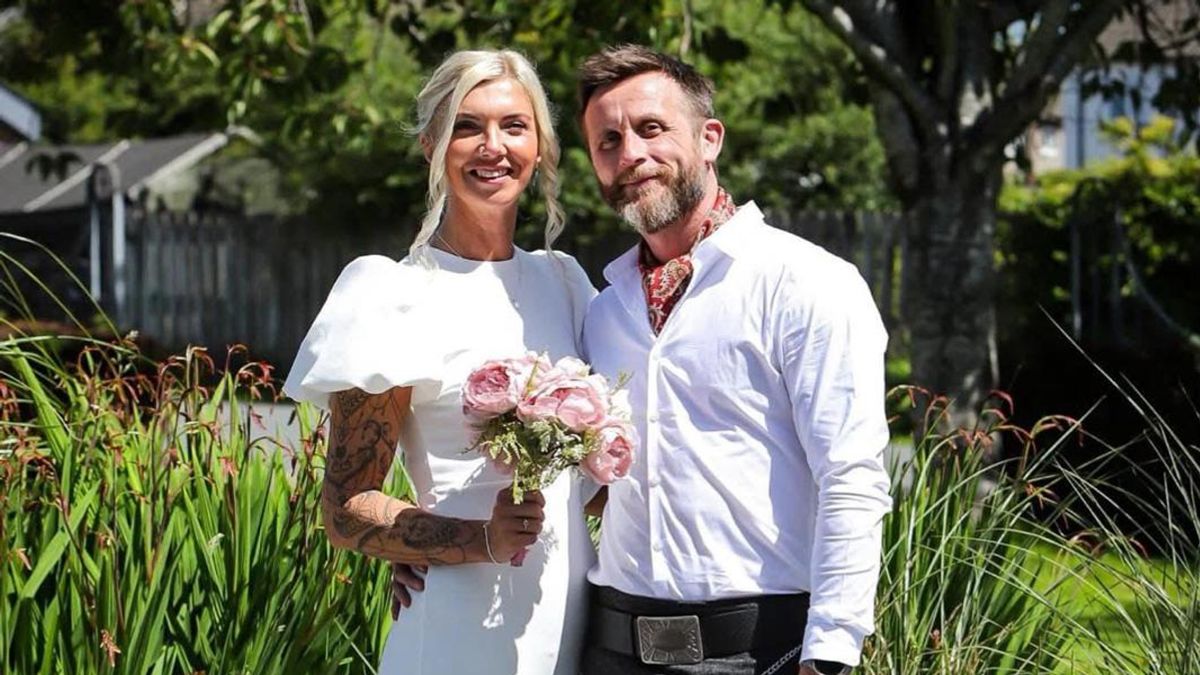
Gordon Russell, 46, put his low mood and fatigue down to “lack of sleep and having a child”.
10:39, 27 Apr 2026Updated 21:44, 27 Apr 2026
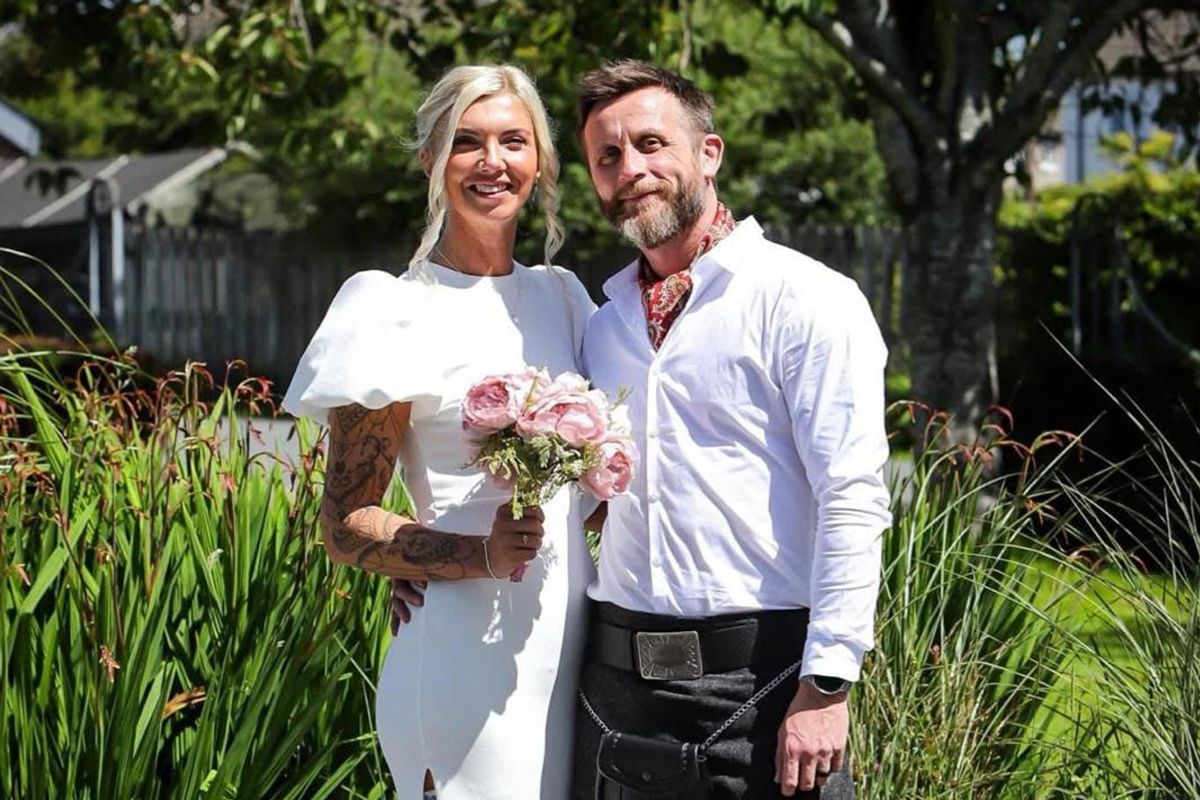
(Image: Alan Petersen Photography/PA Real Life)
A man who was misdiagnosed with anxiety and depression after his father’s death, before discovering he had “critically low” testosterone levels, is encouraging other men to “advocate” for themselves and “openly talk” about their health.
Gordon Russell, better known as Gordy, 46, a lung cancer specialist nurse from Dumfries, said he “struggled” after his father’s death in October 2024 but he had been experiencing symptoms of low mood, fatigue and lack of libido for four years prior.
At 40, Gordy’s daughter Ayda was born in 2020, so he said he put these changes down to “lack of sleep and having a child ”.
Within two years, Gordy started to visit his GP and had numerous investigations done, including blood tests to check for anaemia or thyroid issues, colonoscopies and stool samples for digestive health, and chest X-rays – but he said it all came back as normal.
It was not until Gordy approached a medical professional colleague of his, who encouraged him to complete an Androgen Deficiency in Ageing Males (ADAM) questionnaire – a health screening which he said he “failed miserably” – before he had more blood tests and his low testosterone levels were diagnosed.
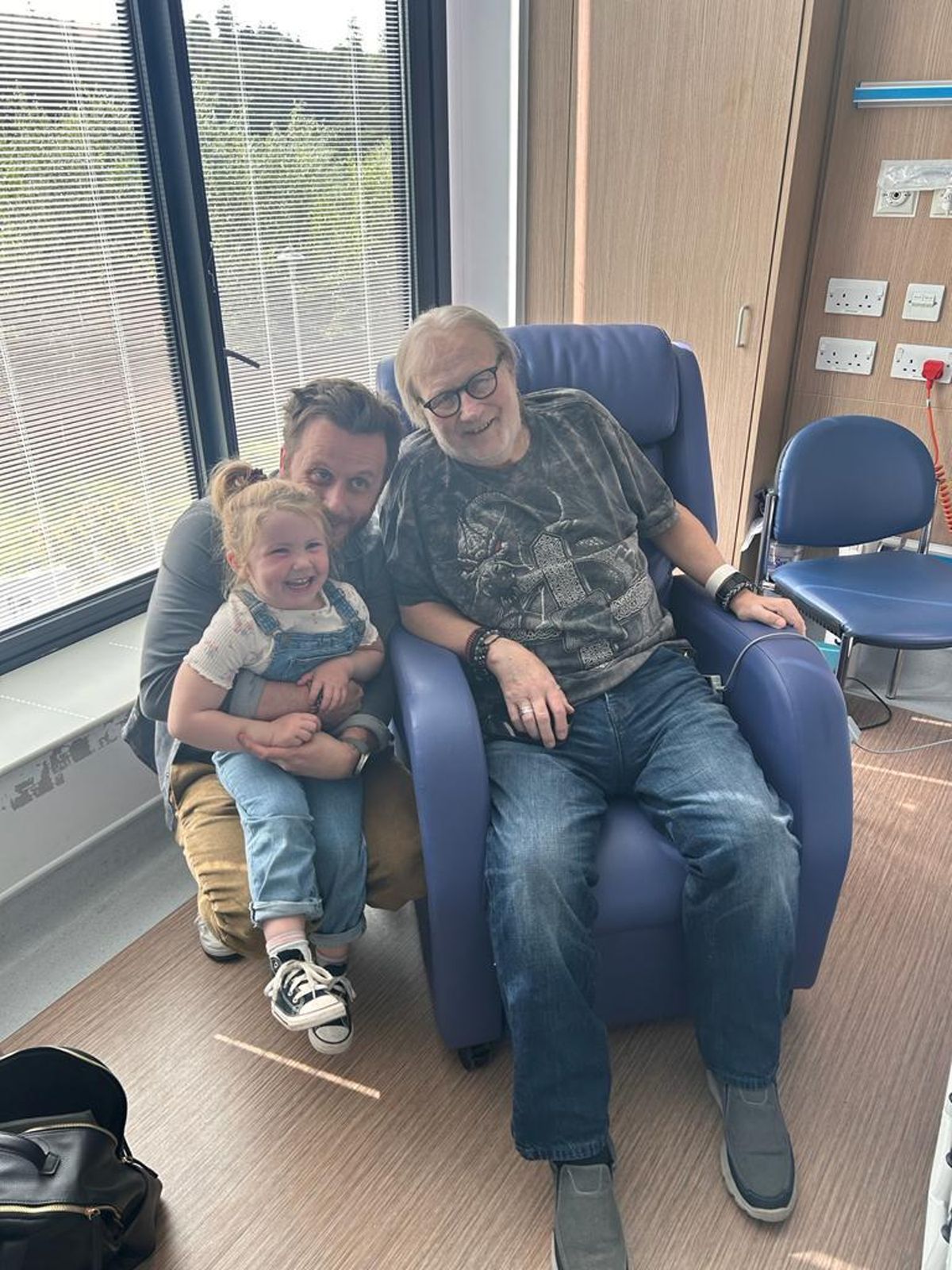
(Image: Collect/PA Real Life)
Since starting on daily testosterone replacement therapy (TRT), Gordy said he has seen “huge improvements” in his life and general mood.
On being misdiagnosed with anxiety and depression, Gordy said: “I think it’s important sometimes to stand your ground and not just accept things.
“Sometimes people are anxious and depressed, but sometimes they’re not, and there needs to be more investigation around this area.
“When men get to a certain age, this could be a real issue. That’s where I would like to see things change more.”
Gordy, a father of three, said he has always been “relatively fit and healthy” with no underlying health conditions.
But he started to feel something shift from the age of 40.
“I didn’t understand why I was feeling so chronically fatigued all the time,” he said. “I also noticed some changes in my body.

(Image: Collect/PA Real Life)
“I was gaining weight which I’d never really done before because I’d always been naturally quite skinny.
“So I was always body-shaming myself and I would never take a T-shirt off or anything at the beach.
“My libido decreased as well and my general interest in everything was gradually starting to deteriorate.
“So I was grumpy and my mood was off. I felt like I was constantly correcting the kids for things and I just had a shorter fuse than normal.”
After two years of this, Gordy decided to visit his GP to try to get some answers in 2022, aged 42.
Very early on in his extensive medical investigations, Gordy said doctors suggested anxiety and depression, but he “didn’t think that was the right thing” for him.
Then in 2023, Gordy found out his father, David Russell, had prostate cancer and he was offered palliative care.
By the autumn of 2024, his father’s condition had worsened and one of his colleagues at the time – who was a palliative care doctor – informed Gordy that his father only had “another couple of weeks” left to live.
In October, Gordy said he received a call from his father’s partner that his condition had rapidly worsened, so Gordy “dropped everything” and went to visit him to say goodbye.
On the impact his father’s passing at the age of 70 had on him, Gordy said: “When he died, that definitely took its toll emotionally, then the physical side responded to that too.

(Image: Collect/PA Real Life)
“That’s when everything really started to slump and I lost interest in things like ( gym ) training.
“I was just exhausted and I was reaching the point of being burnt out.
“I was physically and emotionally at the lowest point I think I’ve ever been.”
It was at this moment that a doctor suggested Gordy might have depression, but he said this has “never been something that’s ever plagued or bothered” him before, so he decided to “advocate” for himself and explore other options.
This is how Gordy came to do some research about low testosterone. It is categorised by mood swings, irritability, loss of muscle mass, reduced ability to exercise, fat redistribution, and a general lack of enthusiasm or energy, according to the NHS – all of which can “interfere with everyday life and happiness”.
It was during a conversation with a colleague who was an andrologist, a medical specialist focused on male health, that things began to finally click into place.
Gordy said: “I was just really honest with him, so I told him about all of my symptoms and asked: ‘Could it be low testosterone?’
“He just looked at me and straightaway said: ‘it sounds like it is’.”
In the aftermath, Gordy was encouraged to complete an ADAM questionnaire, which he said his wife, Sarah, filled out because she could be “more honest” about things like libido and sex drive.
According to the Men’s Health Clinic, it asks questions such as, “Do you have a decrease in libido?”, “Have you lost height?”, and “Are you falling asleep after dinner?”
“I failed it miserably,” Gordy said, meaning his high scores indicated he most likely had testosterone deficiency.
He said his testosterone levels were checked after that and “they were awful” and “critically low”.
By the beginning of 2025, Gordy said he started on TRT via the NHS and it initially helped, but he “wasn’t quite sure” that his three-monthly injectable dose was working well.
He said: “I just felt like I was up and down, so I wasn’t getting that plateau of feeling well all the time.”
Within a year, Gordy came across the health brand, Voy, on social media, so he researched it and decided to switch over.
As part of the onboarding process, patients complete two blood tests on separate occasions to confirm measurements of low testosterone, alongside a 40-minute consultation with a doctor to investigate the patient’s symptoms and medical history, according to Voy.
Gordy said he was happy to be approved for the switch, meaning he would start to have daily self-administered injections of TRT.
“My focus, my energy, my libido – everything’s back to where it should be, rather than bouncing up and down all the time,” he said, after noticing results within two months.
Gordy said he has experienced side effects of testicular atrophy – when the testicles decrease in size – small acne breakouts on his back and shoulders, and light shedding of hair, so he takes another medication called HCG to help with fertility.
He said he is regularly monitored and, if he has any concerns, consultants are readily available.
Today, Gordy said he has more energy for his children, his libido is “better than normal” and he has been able to maximise his gym training and nutrition so he is “more proud” of himself physically.
Gordy added: “I want to make the message clear that it’s OK to say that something’s not right and for men to openly talk about things like libido, erections and energy to remove that stigma from it.”
For more information about Voy and its Health Index: Embarrassing Bodies report, visit its website at: https://www.joinvoy.com/blog/voy-health-index-press-release
Get more Daily Record exclusives by signing up for free to Google’s preferred sources. Click HERE.