
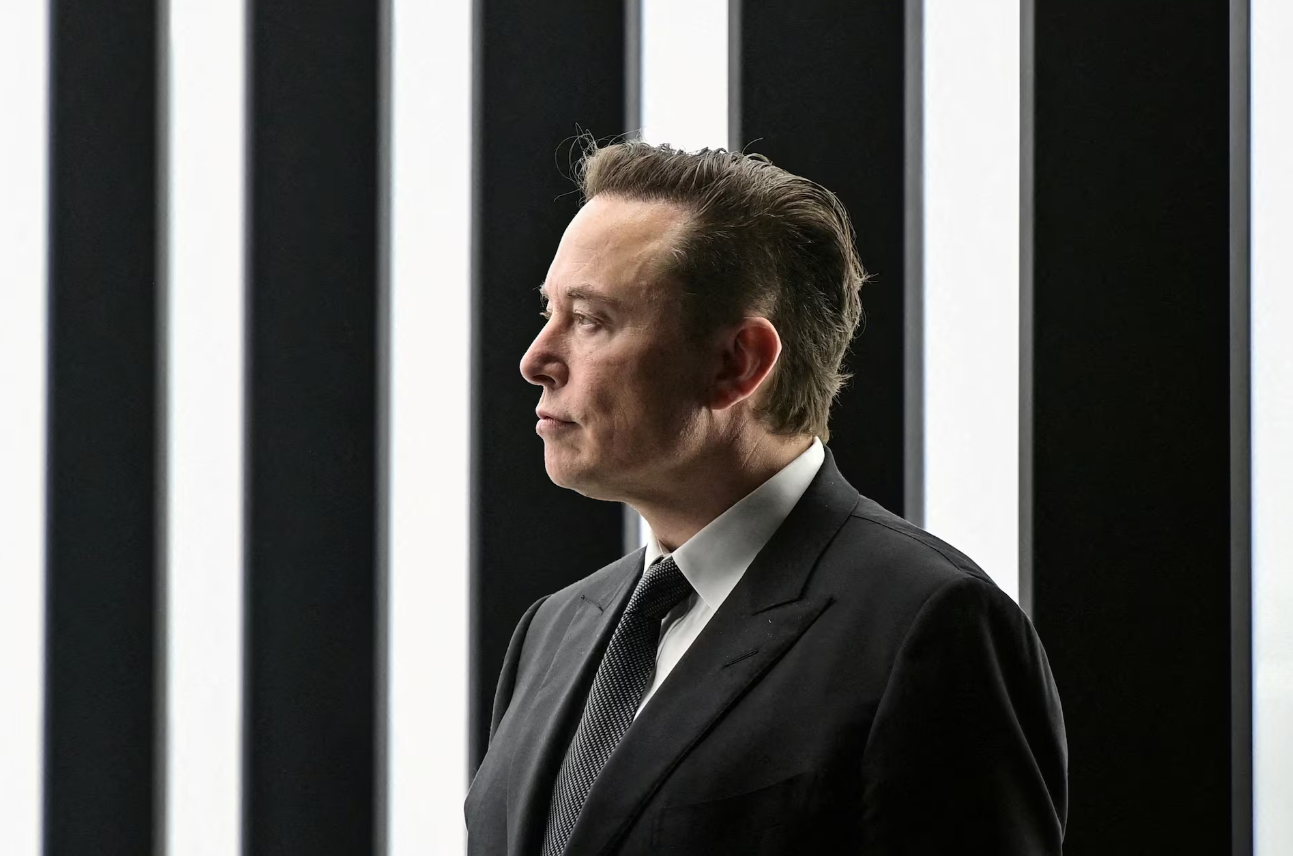
SpaceX’s board of directors has approved a sweeping compensation plan for founder and CEO Elon Musk that ties stock awards to the company’s goals of colonising Mars and operating data centres in outer space, according to a Reuters report citing confidential registration filings with the Securities and Exchange Commission.
The plan, approved by the board in January, would award Musk up to 200 million super-voting restricted shares if SpaceX reaches a market valuation of $7.5 trillion and establishes a permanent human settlement on Mars with at least one million residents.
A separate component of the package could grant up to 60.4 million restricted shares from an award dated March 23, contingent on the company meeting independent valuation targets and delivering at least 100 terawatts of orbital computing power through space-based data centres.
Performance-Based Milestones Without Deadlines
The compensation structure means Musk would not receive any shares unless the specified targets are met. The goals are not bound to a fixed deadline, provided he remains with the company. SpaceX cannot place a precise dollar value on the package since its shares do not currently trade on a public market.
Equilar Director of Research Courtney Yu said the use of non-financial metrics such as Mars colonization stood out because he could not recall any other company, aside from Tesla, using measures beyond standard financial benchmarks like earnings or revenue to structure CEO pay. “It does help with setting expectations for investors as to what the goals of the company really are,” Yu said.
IPO Preparations and Existing Holdings
The compensation plan comes as SpaceX reportedly prepares for an initial public offering around June 28, Musk’s birthday, at a potential valuation of approximately $1.75 trillion.
As of December 31, Musk held 68.8 million previously awarded Class B stock options with a strike price of about $42 and an expiration date of 2031, allowing him to pocket any profit above that amount if exercised before the options lapse.
Eric Hoffmann, chief data officer at corporate governance consulting firm Farient Advisors, noted a potential governance concern arising from the dual-company dynamic. “What’s interesting about this situation is now, SpaceX and Tesla, both effectively controlled by Elon Musk, are now bidding against each other for his attention,” Hoffmann said.
Dual-Company Governance Concerns
Musk is currently worth approximately $776 billion according to Forbes. In November 2025, Tesla shareholders approved a separate record-setting pay package for Musk, with over 75 per cent voting in favour.
The deal could make Musk the first trillionaire if he meets the performance targets attached to it. Corporate governance experts have warned that investors at both companies may question how effectively he allocates his time and attention when both firms have massive performance-linked incentives tied to the same individual.