
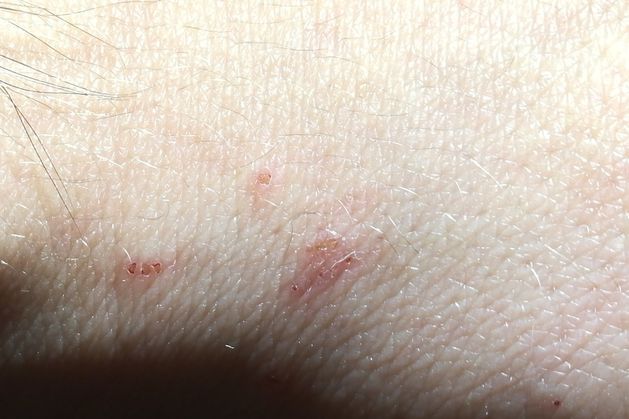
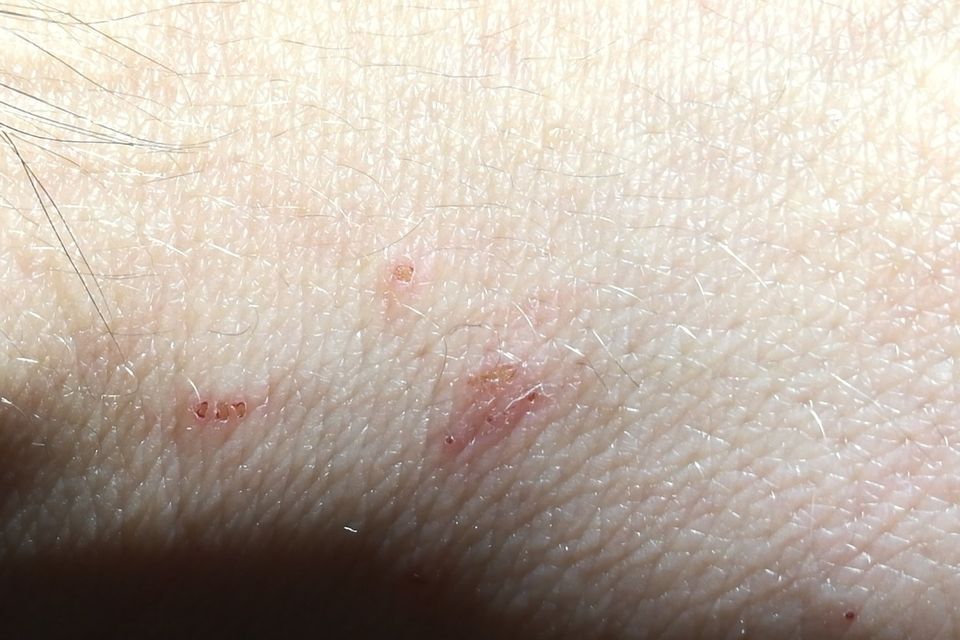
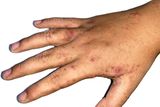
Tiny mites lay eggs in the skin. This looks like a raised line with a dot at one end.
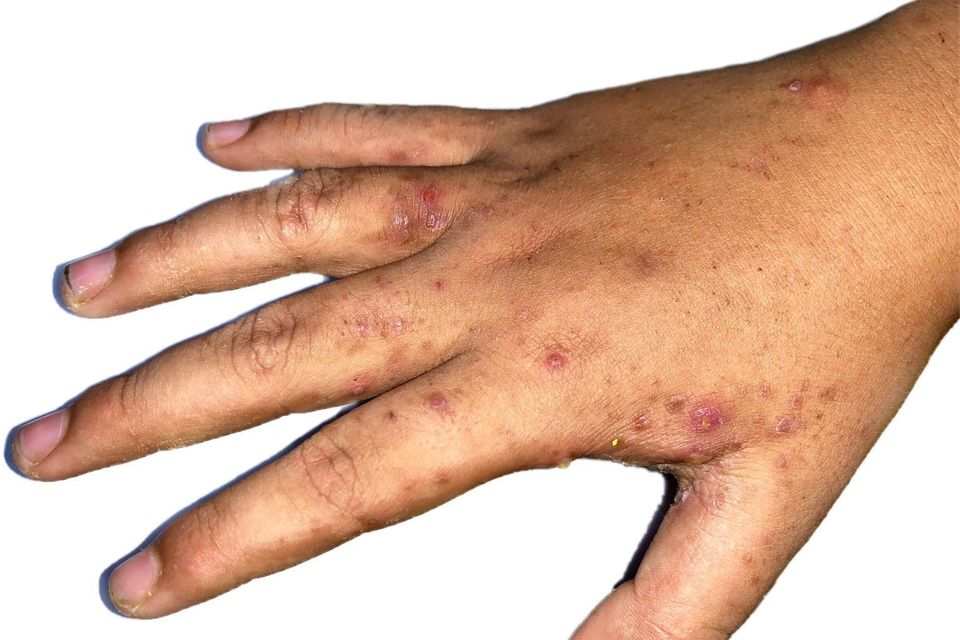
The rash may leave dark spots on brown or black skin.
Students attending a third level educational facility in Waterford have been warned to take precautions following reports of a scabies outbreak.
South East Technological University (SETU) Waterford campus students union has warned of a minor outbreak of scabies in the county in recent days.
“It’s common and easily treatable – early action helps prevent spread,” posted the union.
Scabies is a skin condition caused by a tiny mite that gets under the skin and lays eggs.
Scabies is very common and can affect anyone, said the HSE.
“The condition doesn’t usually cause severe illness but may be intensely itchy. Treatment must be applied – taken carefully by both cases and contacts, or it will not work. Washing your hands after contact can prevent infection taking hold.
“Scabies is highly contagious. If you have symptoms – very itchy rash, anywhere on the skin – you are advised to avoid vulnerable people, go to your GP or student health centre,” advised the HSE, who said it is best to call ahead.
“The main symptom of scabies is intense itching, especially at night. Later, affected individuals might also have a raised line on their skin with dots at each end. This is caused by the mites digging under the skin.
“After time, it can look like a raised rash or spots. These may look red. They are more difficult to see on brown or black skin, but you should be able to feel them. The raised line, rash or spots can appear anywhere on your body,” advised the HSE.
A pharmacist can help with scabies. They will recommend a cream or lotion. Patients can buy this without a prescription. They will need to repeat the treatment one week later.
Affected persons usually apply the cream or lotion from the ears downwards. Children and the elderly can apply it over their whole body. Read the instructions carefully that come with the cream or lotion. Ask the pharmacist if unsure.
It’s important to also follow advice on washing bedding and clothing to prevent the mites coming back, and stay at home for 24 hours after the first treatment has been applied. Do not have visitors. Avoid direct skin-to skin contact with others.