
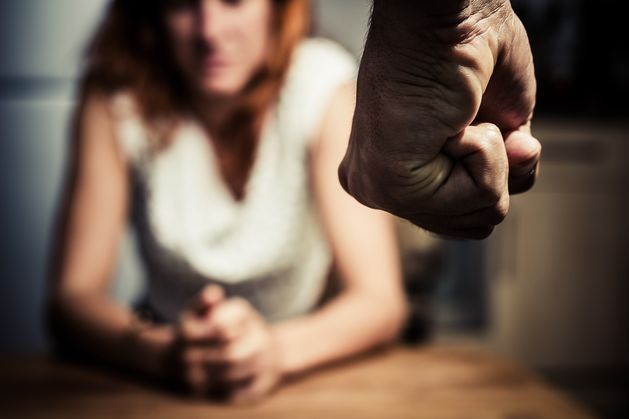
Many charities have had to turn people away due to a lack of space in refuges and safe houses
“I was in a violent marriage for years. I was in and out of it. We had eight children together, so I would go back to him out of fear and wanting to get my children back,” she said.
“Then you’re dealing with the aftermath and trauma of the violence – always thinking he’s out there trying to kill you. “I feared the worst – I always feared I’d end up dead, that he’d kill me in the end.
“The home never felt safe, it was always his. Even when he wasn’t under the roof, it was always his home – I always felt trapped.”
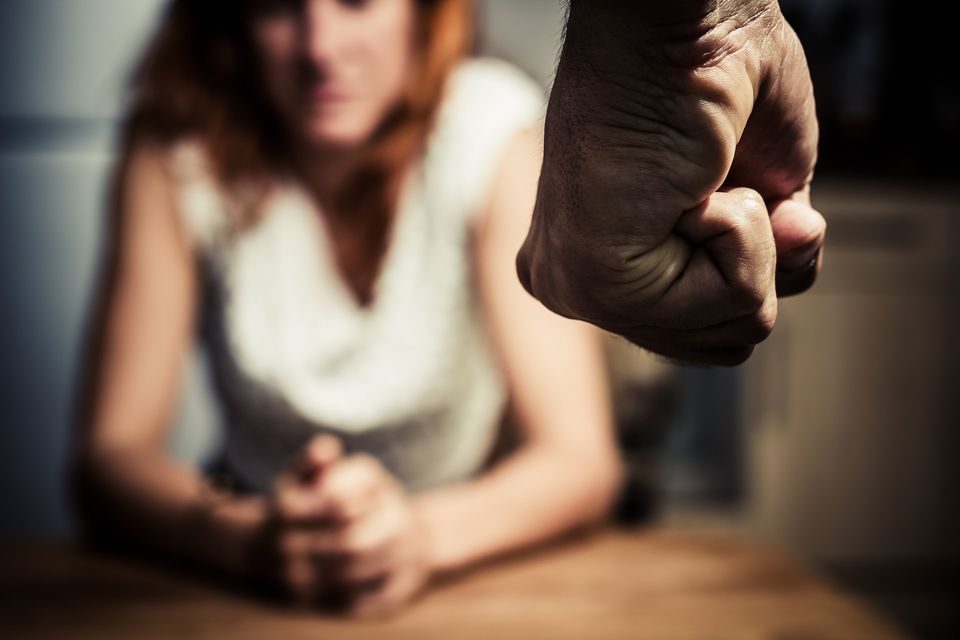
Domestic violence survivors are at risk of homelessness after leaving an abusive situation or a refuge. Photo: Getty
News in 90 Seconds – May 4th 2026
Mary (52) spent many of those years living in refuges and council-supported emergency housing in Kildare (where she is originally from) and Maynooth.
“I was always living in poverty, depending on social welfare. I was on the housing list, lived in refuges or mobile homes and I would live with my mother when things got really bad,” she said.
“Then it came to the stage where I had too many kids, I couldn’t bring them all. I had to leave some of them there with my husband.
He was stalking me, financially breaking me, mentally controlled me
“Even when we were separated, we had to go to court, I had to go to him for the children, he even had access to the lone parent allowance I was getting because some of the older children were with him.
“He was stalking me, financially breaking me, mentally controlled me and I had no voice. I always feared what he was going to do next. I was watching my back all the time because he had people watching me, he knew everything about my life.”
Mary’s husband died several years ago. After moving in and out of refuges, she was rehoused by her local council in the home in which she has now lived for six years.
“I call that day six years ago my ‘Freedom Day’. Away from the power that my husband had over me, my children had over me, my parents had over me – I was starting to listen to me,” she said.
“I stayed for some months with [domestic violence charity] Sonas, then got the home I’m in today and I haven’t looked back since,” she said.
“The most important thing I needed in this process was mental health services – I’m still getting help for what I’ve been through, the depression and suicidal thinking. That fear has been ingrained in me for years.”
Last year, People Before Profit councillor Kay Keane called on South Dublin County Council (SDCC) to allocate housing to victims of domestic violence after Saoirse Domestic Violence Services reported turning away 80 women due to a lack of space.
In 2024, 491 women had to be refused due to lack of space.
“The victims are left homeless or have to go back to their abusers, which I find to be very disquieting. There are only around 162 spaces available nationwide for refuge, far below the 576 spaces needed to meet international standards,” Ms Keane said.
“Victims are left with no safe options rather than to enter homelessness. It is impossible for victims to flee violent and abusive relationships, many are returning to their abuser.”
Fiona O’Malley, CEO of Sonas, said that at least 1,500 women and children were supported by the organisation each year. However, 300 women had to be turned away last year.
“It depends on availability – we don’t always have the space. We have four refuges with 20 units each and around 90 safe houses across county Dublin right now,” Ms O’Malley said.
“A refuge has security, staff working 24/7 with massive gates and electric fencing. We assess the women who come to us to see if they need a refuge or a safe home.”
Almost 70pc of the women the organisation works with are in social housing or supported by local authorities.
Sonas is working with Cuan, the domestic, sexual and gender-based violence agency under the Department of Justice, to introduce a fifth refuge in the Dublin area by the end of this year.
Refuges and safe homes can only support women for a few months,
The organisation is now running a campaign calling on the Government and local authorities to change council housing contracts to remove the perpetrators of domestic violence, instead of the victims and children.
“Refuges and safe homes can only support women for a few months, after that they run the risk of ending up in homelessness,” Ms O’Malley said.
“In the case of a separation or divorce, the judge will look at a woman who might be in homeless services by that stage and decide it’s not appropriate for children to go into homelessness, so children end up going back into the homes where the violence occurred.”
For Mary, finding a new home has meant helping other women like her and taking important steps towards freedom.
“There’s freedom coming my way,” she said.
*Name changed upon request
If you have been affected by the issues in this article, call Sonas at 1800 222 223, Women’s Aid at 1800 341 900, call Samaritans free on 116 123 or email jo@samaritans.ie
Funded by the Local Democracy Reporting Scheme